
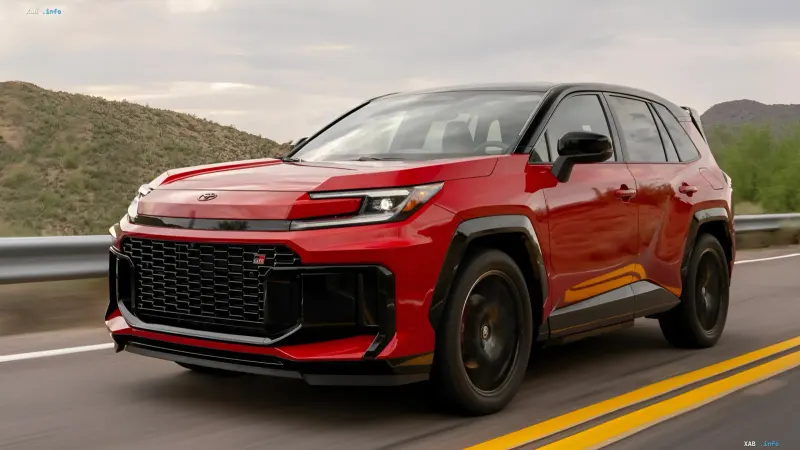
The automotive world is discussing a bold admission from Toyota. Yoshinori Nagané, the chief engineer of the RAV4 model, openly stated that in the new generation of the crossover, the company may have overdone it with touch controls. In response to criticism, Toyota is ready to make concessions and bring back physical buttons if owner feedback is sufficiently negative.
The Battle for Physical Buttons
In the new generation of RAV4, engineers have retained a number of important physical controls. Drivers can still adjust the sound volume, air conditioning temperature, and select driving modes using familiar switches. However, many functions that previously had dedicated buttons have been moved to the central touchscreen menu. These functions include airflow control, vent direction, and seat heating.
Yoshinori Nagané admitted that the initial plan was even more radical: the team aimed to reduce the number of physical switches to a minimum, moving as many functions as possible to the screen. “Currently, too many functions are placed on the screen. We considered how many physical switches could be retained,” the engineer noted.
Response to Driver Feedback
Toyota is not ignoring user feedback. Nagané confirmed that the company is carefully studying owner reviews and evaluating the feasibility of changes in future software updates or hardware modifications. When asked directly about the readiness to bring back more switches, the chief engineer answered unequivocally: “If necessary — yes”.
Trends in the Chinese Market
Interestingly, the reconsideration of the touchscreen strategy is supported by data from China. Nagané noted that the preferences of Chinese consumers are beginning to shift towards classic controls. “Chinese drivers do not want a car stuffed with functions dependent on screens; they want knobs and switches,” he emphasized. This indicates a global trend where convenience and tactile response are beginning to win over the pursuit of minimalism.