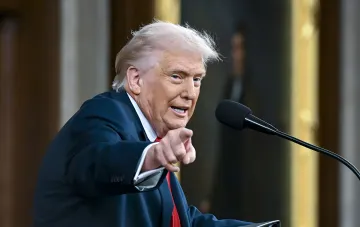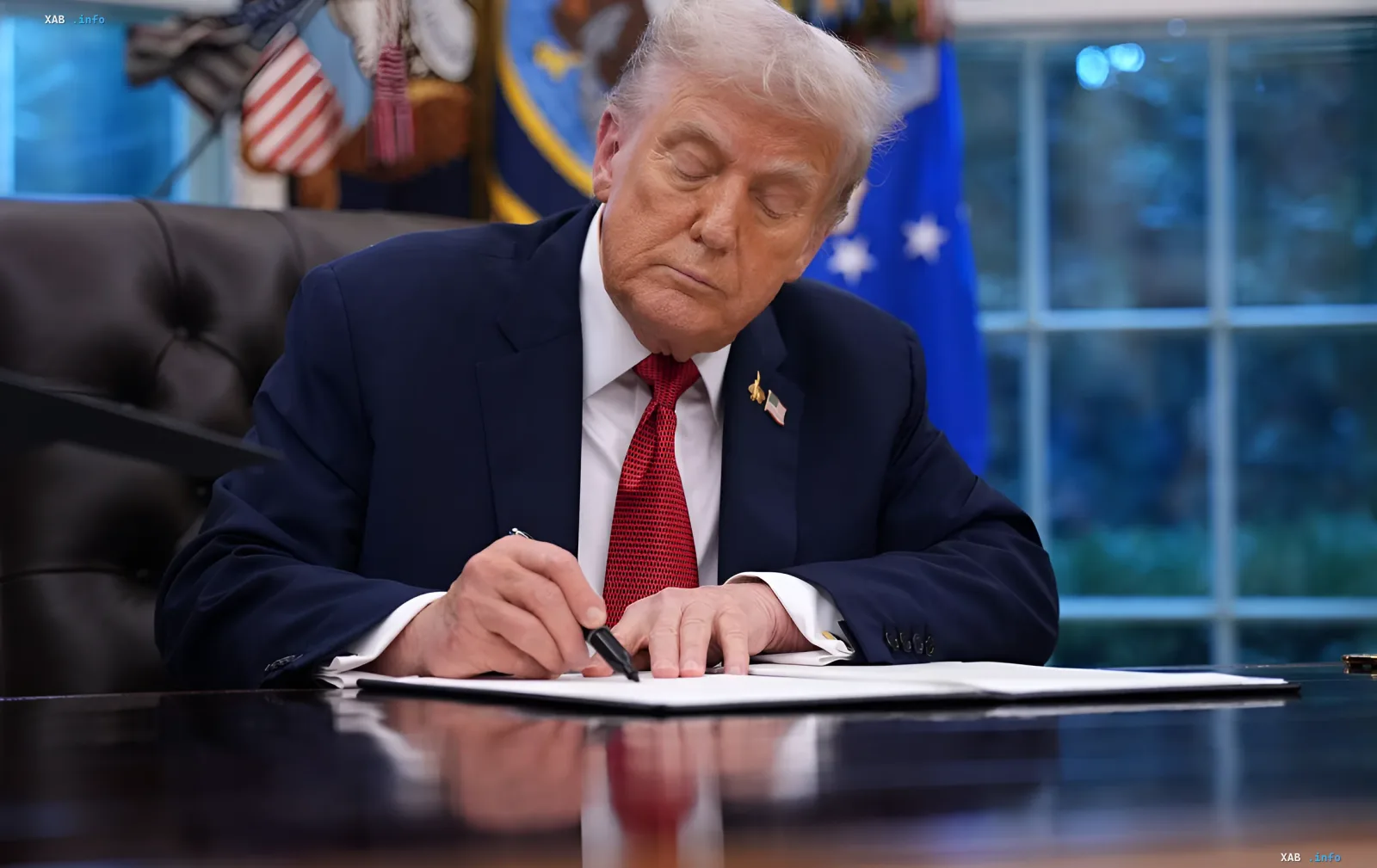
On August 7, 2026, two fundamental events took place in the White House, defining the new geopolitical and domestic agenda of the Donald Trump administration. The President of the United States signed an executive order introducing new trade restrictions on the import of polysilicon and related products, while also legislatively enshrining a ban on automatic citizenship by birth. These steps are aimed at reducing dependence on China and radically reforming the immigration system.
Tariffs on Polysilicon: A Blow to Chinese Dominance
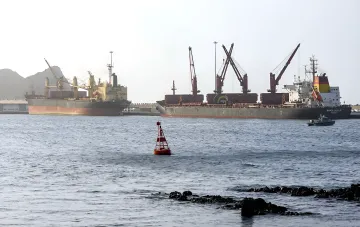
The administration has imposed a 15% tariff on imported polysilicon and its derivatives. In addition, minimum prices have been established for a number of critical goods, including polysilicon ingots, wafers, solar cells, and modules. Polysilicon is the foundation of modern industry: it is used not only in the production of solar panels but also in the creation of semiconductors for smartphones, laptops, artificial intelligence systems, and military equipment.
According to S&P Global analysts, China effectively dominates global polysilicon production, which Washington views as an existential risk to its own technological and defense independence. U.S. Commerce Secretary Howard Lutnick stated that the decision should bring the production of critical materials back to the United States. "This will bring the supply chain here. We have an industry here, it is too small, and it will explode," he commented.
Strategic Timing of Entry into Force
Despite the signing of the order on August 7, the new rules will only come into effect on December 4. This deadline was not chosen by chance: it falls after the U.S. midterm elections and the summit scheduled for September between Donald Trump and Chinese leader Xi Jinping. This maneuver allows the administration to use the threat of tariffs as leverage in negotiations without creating an immediate shock to the market before the elections.
The new order also contains a provision allowing U.S. Customs and Border Protection to restrict imports if they suspect companies of attempting to stockpile materials before the tariffs take effect or to avoid paying duties. This is intended to prevent speculative purchases during the transition period.
Ban on 'Birth Tourism' and New Visa Rules
The second key event of the day was the signing of a document legislatively banning the practice of 'birth tourism' in the U.S. It is proposed that birthright citizenship will not apply to certain categories of children, including those whose parents are in the U.S. temporarily or illegally. This decision fulfills the president's long-standing promise to change the interpretation of the 14th Amendment to the Constitution.
Simultaneously, the Trump Administration is introducing a measure of financial responsibility for foreign citizens: a $20,000 bond for visas for citizens of 50 countries. The list includes states of the former USSR. This measure is intended to minimize the risks of illegal immigration and provide a financial guarantee for the return of visa guests to their home countries.
Contradictory Data
While the administration positions tariffs as a tool for protecting national security, critics warn of negative consequences. Experts note that new duties could significantly slow the development of the solar energy sector in the U.S., as imported components will become significantly more expensive. This could lead to rising prices for 'green' energy for end consumers and a reduction in the competitiveness of American electronics manufacturers that rely on imported raw materials.