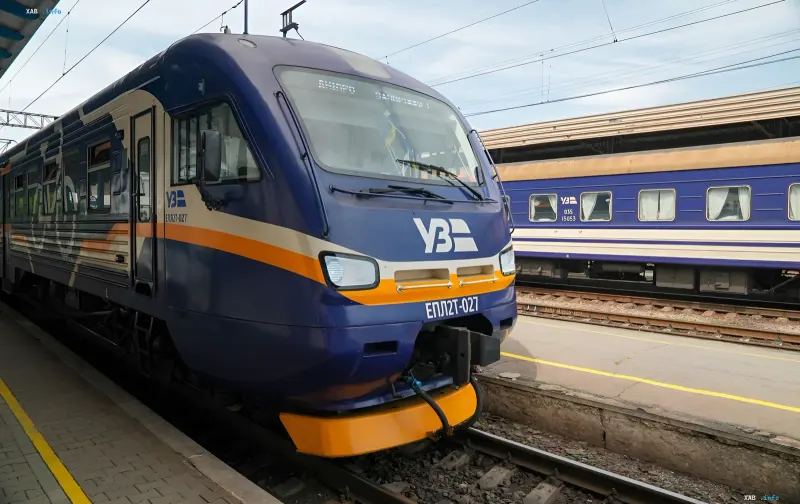
Amidst ongoing attacks on Ukraine's civilian infrastructure, passenger safety on the railways has become a top priority for Ukrzaliznytsia (UZ). In August 2026, the company updated and systematized instructions for behavior during air raids and immediate threats of an attack on a train. These rules are based on real experience from recent months and aim to minimize casualties in the event of a sudden attack.
Preparing for evacuation: what to do when the alarm sounds
When a threat is announced, passengers must immediately prepare for possible evacuation. Conductors are obligated to warn everyone of the risk of an attack and give clear instructions. Passengers are advised to keep documents, phones, and communication devices close by. Clothing should be put on in advance — especially in cool weather, when blankets may be taken from the carriages. Children must be supervised; they can be given a toy or a treat to help calm them.
Rules for exiting the carriage: no panic, no belongings
In the event of an evacuation signal, passengers are strictly forbidden from taking suitcases, bags, or other bulky items — these can cause stampedes and slow down the exit. Passengers should exit via the nearest door, avoiding jumping onto the tracks or stopping on them. It is important to remain calm, assist the elderly and children, and avoid crowding near the carriage. Conductors in high-visibility vests coordinate the process — their instructions must be followed.
Actions during explosions: how to protect yourself in the open
If explosions are heard nearby, passengers must immediately lie face down on the ground, keep their mouths open (to avoid barotrauma), and cover their heads with available items — a blanket, jacket, or bag. The train itself may be a target, so after exiting the carriage, passengers should quickly move to a safe distance or seek the nearest shelter. Returning to the carriages is permitted only after an official signal — verbal, via megaphone, or whistle.
Contradictory data
While Ukrzaliznytsia emphasizes that evacuation is announced only when there is an immediate threat to a specific route, some passengers report cases where alarms were sounded without apparent cause. At the same time, railway workers assert that the monitoring system operates in real time and reacts to data from air defense and intelligence. Differences in perception may stem from delays in information transmission or individual interpretation of the situation by passengers.
Real incidents: lessons from August 2026
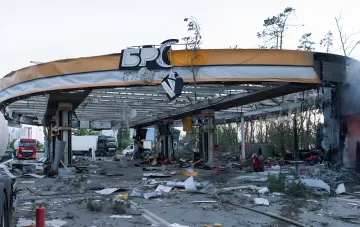
On August 6, 2026, Russian drones attacked a train carriage in Lozova, Kharkiv region — resulting in deaths and injuries. The day before, on August 5, bodies were found on a railway platform in Kyiv region near logistics centers that had been subjected to a night attack. And on July 24, a drone struck the locomotive of a passenger train in Dnipropetrovsk region — thanks to timely evacuation, no one was injured. These cases confirm the necessity of strictly following instructions.
Threat monitoring and coordination of actions
Ukrzaliznytsia specialists monitor threats for each route around the clock in real time. This allows risks to be minimized and decisions about the train's route or stoppage to be made in advance. Evacuation rules help avoid being trapped in the event of a direct attack — which is why compliance is critical for passenger survival.