A strategic decision has been made in the Odesa region to change the curfew regime, aimed at relieving logistical corridors and accelerating transit. The head of the regional military administration, Oleh Kiper, officially announced the lifting of restrictions on transit movement for all types of transport at night. This change will affect key routes connecting Kyiv with international border crossing points in western Ukraine.
Logistical breakthrough: new traffic rules
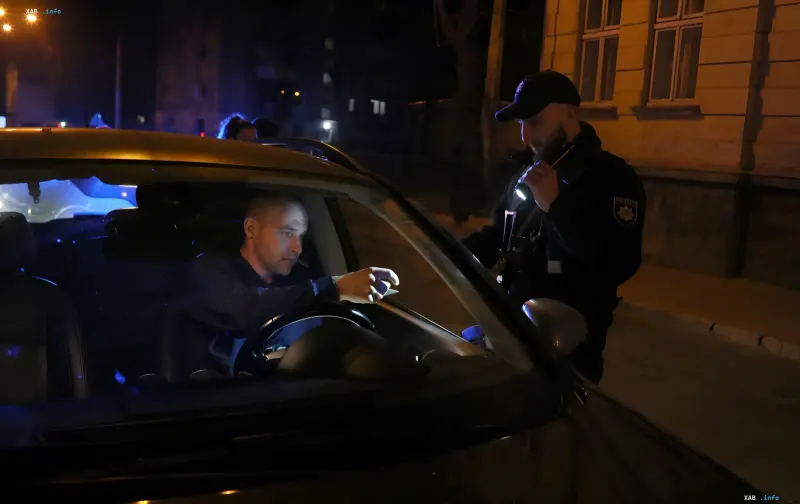
According to Oleh Kiper, the regional military administration has lifted the ban on vehicle movement during curfew hours for transit shipments. The new regime applies in both directions on roads of state significance. This refers to the route starting from the Kyiv highway, passing through the bypass road of the city of Odesa, and leading to the border crossing points "Palanka", "Starkozache", "Orlovka" and "Reni".
This decision is critical for those crossing the border with Moldova and Romania. Previously, the need to stop or wait for the end of the curfew created huge jams, increasing delivery times and costs. Now drivers will be able to reach border crossings without hindrance, minimizing waiting times on the road.
Security context: strikes on port infrastructure
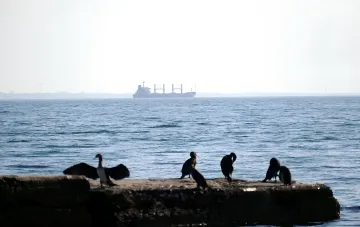
The decision to lift restrictions was made against the backdrop of ongoing hostilities and attempts by the enemy to disrupt Ukraine's logistical chains. On the current day, Russian occupiers struck the Odesa region. As a result of the shelling, a private residential house was damaged, where a fire broke out. In addition, the region's port infrastructure was attacked at night. During the attack, a civilian vessel under the flag of the Republic of Togo was damaged, highlighting the vulnerability of sea routes and the importance of maintaining land logistics.
Regional parallels: the experience of the Sumy region
Odesa region is not the only one where wartime rules are being reviewed for economic necessity. A reminder of similar measures in the Sumy region, where the curfew was shortened to 04:00, demonstrates a trend towards flexibility in military management. In Sumy, the decision was made following an appeal from farmers who needed an extra morning hour for seasonal work. In Odesa, the focus is on transit, reflecting the region's specific role as the main sea and land gateway for exports.
Contradictory data
The provided materials and sources for verification (ID 1, 2, 3) contain information about the reduction of the curfew in the Zaporizhzhia region. However, the context of these messages indicates actions on occupied territories or in an area controlled by the enemy, which is radically different from the situation in the Odesa region, which is under full control of Ukraine. It is important not to mix these events: measures in Odesa are aimed at supporting exports and transit to the EU, while changes in Zaporizhzhia (according to sources) concern the internal life of the region under occupation. The news text clearly states that it is about transit through the "Palanka" and "Reni" border crossings, which excludes confusion with other regions.