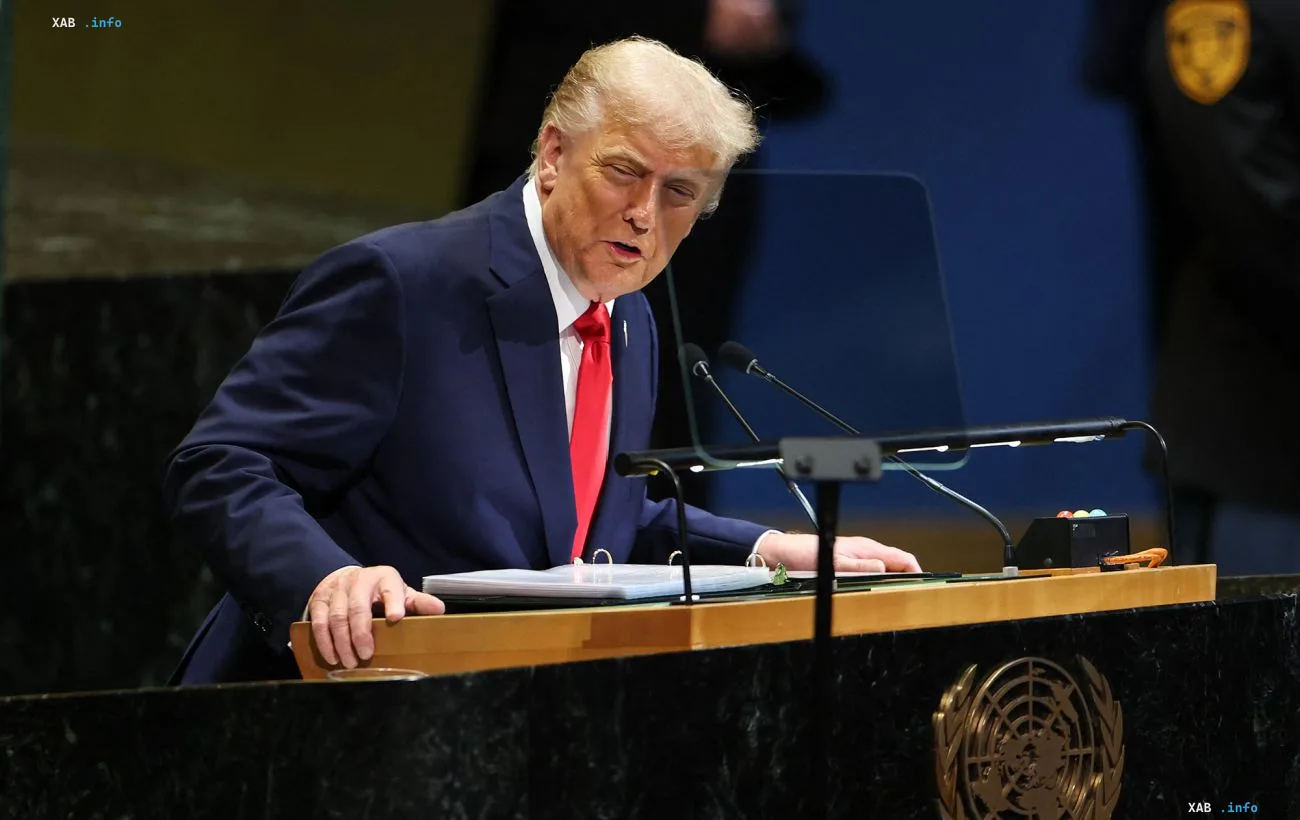
U.S. President Donald Trump made a resonant statement on the prospects for ending the conflict in Ukraine during his address at the 81st session of the UN General Assembly in New York. The American leader stated that the end of the war would come "sooner than people imagine," and emphasized: "We will resolve this. I think it will happen faster than people think. They have had enough of it." According to Trump, Washington is holding very close consultations with both the President of Ukraine and the Russian leadership, which he consistently refers to as a "dictator" in his rhetoric.
Address to Putin and the Diplomatic Context
Even before his main speech at the General Assembly podium, Trump drew journalists' attention with a short but pointed remark. Upon arriving at the session, when asked what his address to the Russian leader would be, the U.S. president tersely replied: "Stop the war." This statement came against the backdrop of ongoing diplomatic efforts by Washington: earlier, on September 4, 2026, it was reported that special envoys Steve Witkoff and Jared Kushner had departed for Moscow to advance the negotiation track. Thus, the address at the General Assembly served as a public confirmation that the diplomatic process has not stalled but, on the contrary, is gaining momentum.
Trump's and Zelenskyy's Evening Meeting
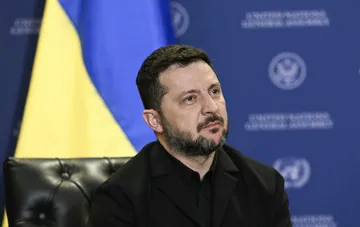
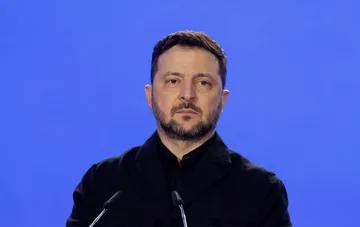
The key event of the day, September 22, 2026, was the evening meeting scheduled between Donald Trump and Volodymyr Zelenskyy in New York. This had earlier been announced by U.S. Secretary of State Mark Rubio. According to information provided by the Ukrainian side, the agenda of the bilateral talks includes discussion of the terms of a possible energy and maritime ceasefire between Ukraine and Russia. In his pre-meeting comments, Zelenskyy emphasized that precisely an energy ceasefire — halting strikes on infrastructure — and a maritime ceasefire in the Black Sea could become the first practical steps toward de-escalation. Thus, Trump's statement at the UN podium and the subsequent meeting with Zelenskyy form a single diplomatic framework: public pressure on both sides and closed-door negotiations on specific mechanisms for a ceasefire.
Contradictory Data
The provided fact-checking sources reveal discrepancies in chronology and subject matter. For instance, the TASS article (ID 2) titled "Trump, in a conversation with Putin, voiced support for the swift end of the Ukrainian conflict" refers to events of 2020 and has no direct relation to the current address at the 81st General Assembly session. Similarly, the Kommersant publication (ID 3) is devoted to Trump's statement on the possible swift end of the conflict with Iran, which is a separate geopolitical track. The only source directly confirming the event in question is RBC.ua (ID 1). At the same time, in the main text of the news, the phrase "they have had enough of it" can be interpreted in two ways: as an address to both sides of the conflict or as a one-sided assessment of Russia's actions. As of the time of publication, no official clarification had been received from the White House press office.
Assessment of Prospects
Trump's address at the UN General Assembly on September 22, 2026, marks several important signals. First, the U.S. administration publicly registers its readiness for a settlement and sets a time horizon — "sooner than people think" — which, as a rule, in diplomatic practice implies an expectation of a matter of weeks rather than months. Second, the parallel advancement of an energy and maritime ceasefire on the agenda of the meeting with Zelenskyy indicates that this is not about abstract "peace talks" but about specific, limited de-escalation measures. Third, Trump's rhetoric — from "Stop the war" to "They have had enough of it" — can be viewed as a tool of public pressure, directed simultaneously at Kyiv and Moscow, with the aim of accelerating a move toward compromise. The outcomes of the evening meeting between the two presidents will become a decisive factor in assessing the real prospects for a ceasefire in the coming weeks.