A critical situation has unfolded in the Persian Gulf, the outcome of which will determine global logistics and energy security. By the end of Sunday, July 26, Iran and Oman may reach fundamental agreements on resuming shipping in the strategically vital Strait of Hormuz. Negotiations taking place in Tehran became possible after US President Donald Trump decided to temporarily pause military operations.
Decision on the Pause and Threat of Escalation
A key turning point in events occurred on Friday, July 24. After 13 days of intense attacks on Iranian territory, Donald Trump ordered a cessation of strikes. This decision was made a few hours after the arrival of an Omani delegation in Tehran to discuss the parameters of a new agreement.
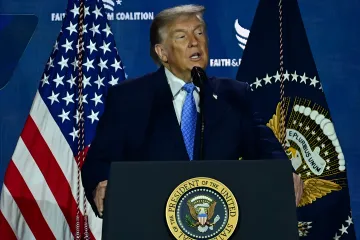
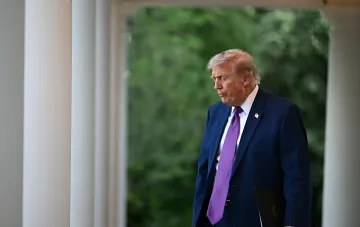
However, despite the order to cease fire, the rhetoric of the American leader remains harsh. On the same day at the White House, Trump told journalists that he has the ability not only to continue strikes but to escalate the conflict, up to the "liquidation of all" of Iran. At the same time, he emphasized that he considers a political agreement a "smarter strategy" than military destruction.
Oman as Mediator and the Negotiation Timer
Oman has taken on the role of mediator in this conflict. Two regional sources confirmed that tangible progress has already been made in the negotiations. The parties are working on the details of a new treaty that should guarantee the safety of sea routes.
According to available information, final agreements between Oman and Iran could be reached within the current weekend. However, the final word remains with Washington: once all points are agreed upon, the decision to accept the proposed agreement will be up to President Trump personally.
Stakes at the Strait of Hormuz
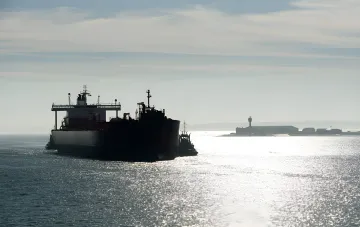
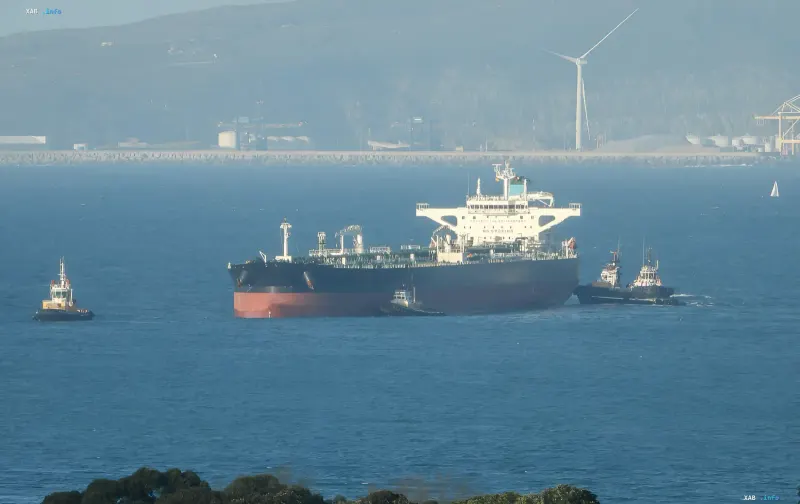
The Strait of Hormuz remains one of the most vulnerable points in the global economy. Any closure or restriction of shipping there could cause a colossal spike in energy prices. This is why the diplomatic resolution of the conflict currently being formulated in Tehran takes precedence over further military escalation, even given the US capability to deliver a crushing blow.