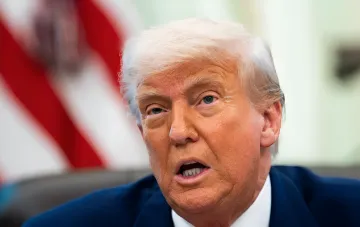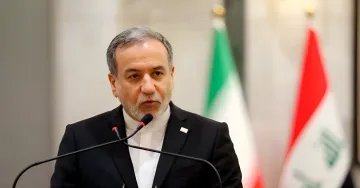
During closed-door discussions with his inner circle, US President Donald Trump expressed confidence that large-scale bombings of Iran could resume immediately after the November midterm congressional elections. This information emerged amid the ongoing geopolitical crisis in the Middle East and increasingly harsh statements from Washington towards Tehran. According to the authoritative Wall Street Journal, the American administration is carefully assessing the risks and prospects of further military pressure on the Iranian regime.
Rejected Peace Proposal and Blockade
As reported by high-ranking American officials, Washington officially rejected Tehran's initiative, which proposed establishing a seven-day ceasefire. The Iranian side offered to resume full navigation in the strategically vital Strait of Hormuz and return to the negotiating table over the nuclear program. In exchange, Tehran demanded that the US immediately lift the tight blockade on Iranian ports. Nevertheless, the American leadership found these conditions unacceptable and continued to insist on the unconditional capitulation of Iran's nuclear program.
Political Context and Public Statements
Publicly, Donald Trump has repeatedly claimed that the Iranian leadership is pleading for a new deal after the November elections that would completely dismantle the country's nuclear potential. However, in private conversations, the US President displays deep skepticism regarding Tehran's readiness to meet all demands. According to sources, this uncertainty about a diplomatic outcome is precisely what drives the American leader to consider a military scenario and new airstrikes as a highly probable prospect.
Contradictory Data
Despite the White House's tough rhetoric, the situation remains highly dynamic, and sources' opinions differ on the details of the planned operations. Some WSJ interlocutors emphasize that the US President's current militant views may change as the conflict drags on in the coming weeks. Furthermore, the scale of potential strikes has not yet been definitively determined. Reports indicate that Washington is reluctant to resume major combat operations partly because the Pentagon wants to preserve dwindling strategic ammunition stockpiles for other unforeseen global contingencies.
Expert Assessments and Consequences
Experts note that tying military plans to the congressional midterm elections gives the situation a strong domestic political tint. The outcome of the November vote could either untie the current administration's hands for more aggressive actions or force the White House to seek diplomatic compromises. In any case, future developments in the region will depend on the parties' ability to find a balance between military pressure and the threat of massive economic collapse in global energy markets.