Trade war in the sky: Trump imposes tariffs up to 100% on drones
On August 14, 2026, US President Donald Trump signed a proclamation introducing unprecedented tariffs on the import of unmanned aerial vehicles and their components. This decision, announced on the White House website, is a response to the growing dependence of the American defense and civilian industries on foreign suppliers. According to RBK-Ukraine, the tariff rate reaches 100% for drones possessing characteristics critical to US national security.
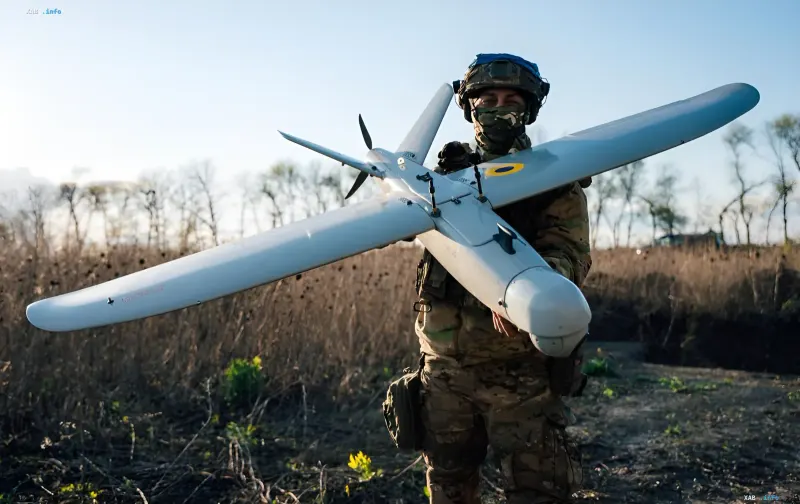
The maximum rate applies to unmanned aircraft with a take-off weight of more than 25 kilograms, as well as devices equipped with thermal imaging systems. The list also includes docking stations for such drones and a number of critical components. For less sensitive models and components, a rate of 25% has been set. This decision is intended to stimulate the development of domestic production and reduce cybersecurity risks associated with technology imports.
Exceptions for allies and the onshoring program
The proclamation provides preferential conditions for partner countries. For drones and components from the European Union, Japan, Liechtenstein, South Korea, Switzerland, and Taiwan, the rate will be 15%, provided that the software and hardware are produced in these countries or in the US. For the United Kingdom, the rate is even lower — 10%. These exceptions underscore Washington's desire to maintain strategic alliances while protecting its own interests.
Furthermore, the proclamation authorizes the US Secretary of Commerce to launch an onshoring program. It is aimed at supporting companies investing in the production of drones and components within the US territory. This will be a continuation of the Trump administration's efforts, which began in the summer of 2025, when decrees on the development of American drone production and control over the country's airspace were signed.
Impact on Ukrainian-American cooperation
The introduction of tariffs comes against the backdrop of active development of cooperation between Ukraine and the US in the field of unmanned technologies. The American company ReconCraft has already concluded an agreement with Ukrainian Uforce to set up the production of Magura sea drones directly in the US. This is the first time that a drone developed and tested in combat in Ukraine will be produced on American facilities.
At the same time, the Drone Deal initiative continues to be promoted, providing for the export of Ukrainian unmanned technologies to the US and the creation of joint production lines. The first documents under this agreement have already been signed. However, new tariffs may create additional difficulties for the implementation of these plans, especially if Ukrainian drones do not meet the criteria for the preferential regime.
Contradictory data
There are disagreements regarding the timing of the tariffs entering into force. According to official data, the main part of the tariffs will come into effect 21 days after the signing of the proclamation. However, for less sensitive components, the term has been extended to 180 days. In addition, the Pentagon has the right within 20 days to exempt certain products from inclusion in the "covered list" of the Federal Communications Commission, which will also delay the application of tariffs by 180 days. These nuances create uncertainty for manufacturers and importers trying to adapt to the new rules.
Strategic consequences and prospects
Trump's decision to impose tariffs on drones has far-reaching consequences not only for the US but also for the global unmanned technology market. It may stimulate the growth of domestic production in the US, but will also lead to increased import costs and a possible slowdown in innovation. For Ukraine, this creates both risks and opportunities: on the one hand, tariffs may complicate drone exports, on the other — stimulate the development of joint production and technologies.
In the long term, this decision may change the balance of power in the global drone industry, strengthening the positions of the US and its closest allies. However, the success of this strategy will depend on the ability of the American industry to quickly adapt to new conditions and ensure the competitiveness of its products.