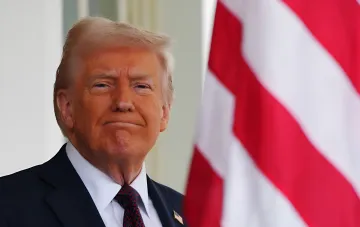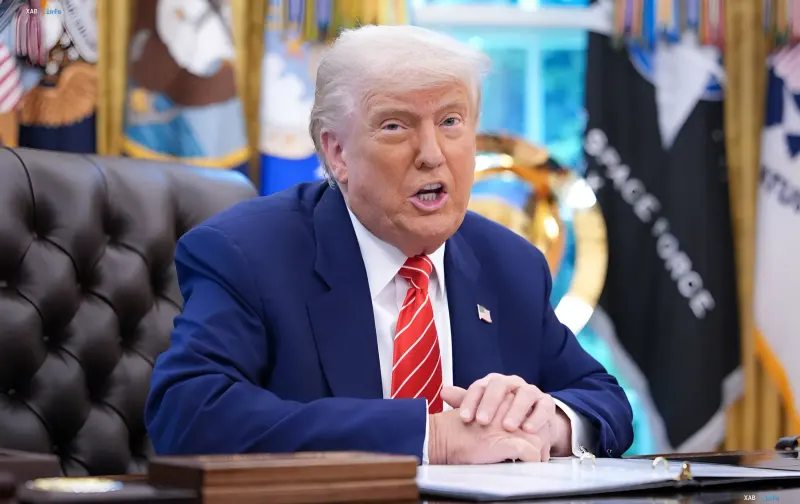
US President Donald Trump, while speaking with the press, suggested that the United States might not leave Iran after the war ends, but instead take control of the Iranian oil industry. In his words, Washington will strike only a “good deal” and will not negotiate on unfavorable terms. The statement came against the backdrop of an ongoing military confrontation and debates over when it might end.
A “Good Deal” and Control Over Resources
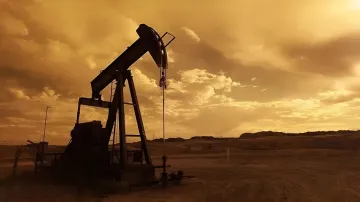
Trump emphasized that his administration is ready to negotiate, but only on terms he considers appropriate. “In the end, we will leave, unless we decide to stay and keep the oil, as we did with Venezuela,” the White House chief declared, adding that US revenues from the Venezuelan agreement “more than paid for the war.” Thus, the president effectively outlined a scenario in which the military operation could end not with a troop withdrawal, but with a long-term economic presence.
The Venezuela Parallel
As a precedent, Trump cited the US agreement with Venezuela, under which Washington took control of a fifth of the country’s vast oil reserves. Drawing a parallel with Iran, the president suggested that a similar model could be applied in Tehran as well, if negotiations succeed. He also stated that, in his view, Iran “constantly calls for” peace talks, even though Tehran had previously publicly rejected such phrasing.
Contradictory Data
Here, the accounts of the two sides diverge. Trump claims that the Iranian side itself initiates and “constantly calls for” a peaceful dialogue, and that Washington is already in contact with Iran. At the same time, as noted earlier, official Tehran has denied claims that it is the initiator of peace negotiations. Moreover, Trump confirmed that he expects the war with Iran to end this year — possibly right after the US midterm elections, scheduled for November. These timeline forecasts are not backed by public confirmations from the Iranian side, making the picture ambiguous.
Military Context: Resumption of Missile Production
Against the backdrop of the political statements, the military situation remains tense. According to the WSJ, Iran has resumed production of ballistic missiles at underground facilities following massive US and Israeli strikes on the country’s industrial infrastructure. The publication’s sources claim that Tehran is already assembling two main types of missiles, although production volumes remain below pre-war levels. Financial Times, for its part, reported that Iran has requested “Geran”-type drones from Russia to wage war against the US and Israel — these are modernized unmanned aerial vehicles with a jet engine.
Economic Promises
Wrapping up his remarks, Trump promised that the price of gasoline in the US would “plummet” after the war with Iran ends. He tied this promise to the end of the military conflict and, by his logic, to the stabilization of the oil market. Thus, the president is simultaneously pushing a narrative of an imminent peace and of possible long-term control over Iranian oil, forming a contradictory but economically motivated line for Washington.