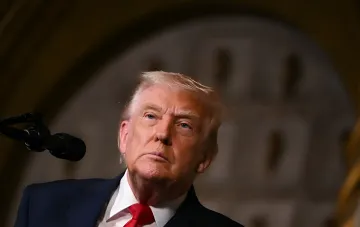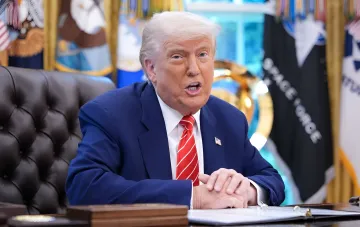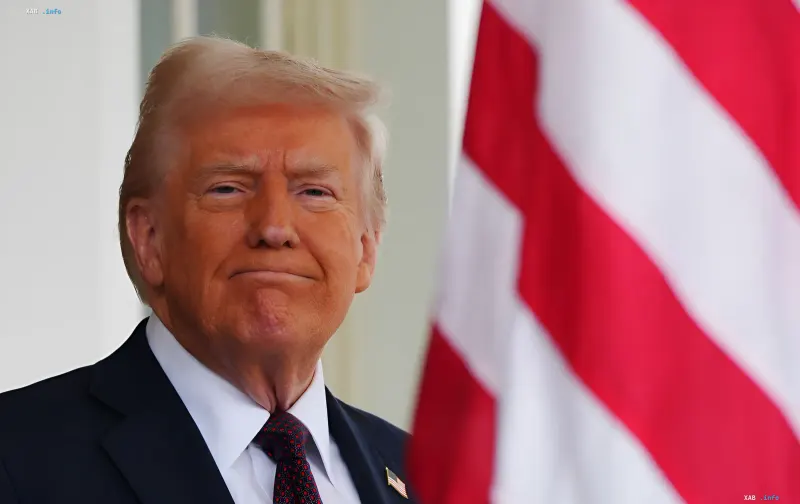
US President Donald Trump publicly stated that countries around the world that did not provide support to the United States during the conflict with Iran are obliged to reimburse the American side for the costs incurred once it is over. This is reported by RBC-Ukraine, citing the White House chief's statement on the social network X. According to Trump, oil is still flowing through the Strait of Hormuz, however, states that "did not help at all" Washington "should and will reimburse the United States of America for the expenses when all of this is over."
The demand for compensation and the logic of "debt"
The statement is based on the thesis that the US bears a disproportionate burden in ensuring the security of oil routes and that other countries are effectively benefiting from the results of American efforts without contributing to their cost. Trump emphasized that Washington "does far more for others than for itself, and that has been the case for generations." Thus, the demand for compensation is presented not as a one-off step, but as a systemic position stemming from the US's long-standing involvement in protecting shipping in a strategically important region.
The Strait of Hormuz as the central argument
The key argument in the statement is the stability of the oil flow through the Strait of Hormuz — one of the world's most important transit routes for hydrocarbon exports. The assertion that "oil is flowing through the Strait of Hormuz" is used to demonstrate that the conflict has not paralyzed global supplies, while at the same time it was precisely American efforts that ensured this stability. In this light, the demand for compensation becomes a tool of economic pressure on countries that, according to Washington's assessment, benefit from the open strait without participating in its protection.
Negotiations, control over oil, and the assessment of the war
Previously, RBC-Ukraine reported that the US is ready to consider the issue of peace negotiations with Iran, however, a final decision on Washington's participation in such a process had not been made at the time of the statement. In the same context, Trump suggested that after the end of the war the US might remain in Iran and take control of oil production, citing the example of Venezuela. Responding to criticism, he stated that he does not regret starting the war against Iran and rejected the suggestion that some of his supporters were "disappointed and demoralized" by the conflict.
Contradictory data
Publications by various media outlets show discrepancies in the formulation of the essence of the demand. RBC-Ukraine and novosti.ua emphasize compensation specifically for the "war against Iran" and the associated costs, while korrespondent.net and kommersant.ru interpret the statement as a demand to reimburse the costs of "protecting the Strait of Hormuz." This difference in focus — military conflict versus ensuring shipping — affects the legal and political interpretation of the statement. Moreover, there is an internal inconsistency: on the one hand, Trump talks about reimbursing expenses "when all of this is over," i.e., assumes the continuation of the conflict; on the other hand, he acknowledges the US's readiness to consider peace negotiations, while a final decision on Washington's participation has not been made. Finally, the assertion about the possible retention of a US presence in Iran and control over oil is of a speculative nature by the president himself, not a confirmed decision, which requires cautious interpretation.
Context and possible consequences
The statement fits into the broader Washington course of shifting part of the financial and military costs onto allies and trade partners. The demand for compensation from countries that did not participate in the conflict may become the basis for new trade and diplomatic demands and increase pressure on states dependent on oil transit through the Strait of Hormuz. Against the backdrop of uncertainty regarding peace negotiations with Iran, such statements simultaneously serve the function of internal mobilization of the electorate and a tool of foreign policy, cementing the US's role as a guarantor of regional stability with corresponding economic claims.