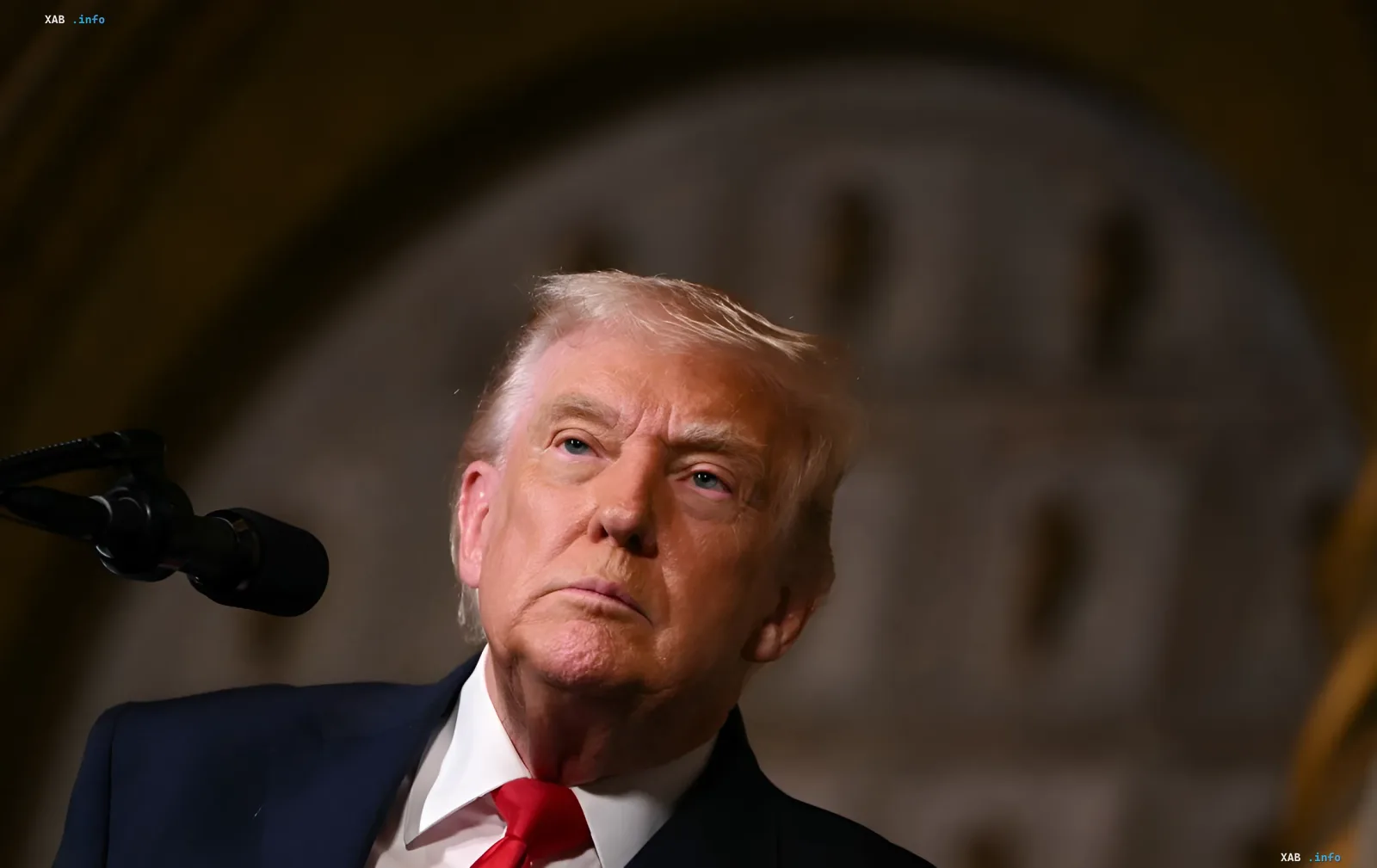
The Congressional Budget Office (CBO) of the United States — an independent analytical body attached to the legislative branch — has released a report on the cost of the first five months of the war with Iran. According to the agency's calculations, the Donald Trump administration has spent no less than 38.1 billion dollars on conducting military operations in the Middle East. The report notes that combat operations account for the largest share of military spending: they make up more than half of the administration's total military expenditures over the corresponding period.
Scale of Current and Future Expenditures
According to CBO estimates, the conflict could cost the United States roughly 2–3 billion dollars per month going forward. The agency emphasizes that the final monthly cost will depend directly on the intensity of combat operations: under a low-intensity scenario, spending would amount to about 2 billion dollars per month, whereas under more active operations it could exceed 3 billion dollars. The Congressional Budget Office also forecasts further growth in expenditures as the conflict continues, meaning that the total cost of the war will substantially exceed the 38.1 billion dollars already incurred.
Restoring Weapons Stockpiles as a Separate Line Item
A significant portion of the funds, according to CBO estimates, is needed to restore stockpiles of missiles and air defense systems expended during combat operations. These efforts could cost approximately 21.7 billion dollars, of which 13.1 billion goes to interceptor missiles, 7.3 billion to cruise missiles, and a further 1.2 billion to other munitions. The agency specifically noted that restoring weapons stockpiles is a separate Department of Defense expenditure line related to the war, rather than part of current combat costs.
Long-Term Consequences for Air Defense
A critically important finding of the report is that replenishing interceptor missile stockpiles could take no less than five years. The CBO points out that this will significantly limit the capabilities of the US air defense in the event of a potential armed conflict with China, since key air defense assets will be under restoration for an extended period following the Iranian campaign.
Contradictory Data
When interpreting the figures in the report, several caveats must be taken into account. First, all the amounts cited are CBO estimates and projections, not final audited data, so actual expenditures may differ in either direction. Second, the 38.1 billion dollars covers the first five months of the war and includes combat operations, whereas the 21.7 billion for restoring stockpiles is set out as a separate Department of Defense line item — this means that summing the two figures carries a risk of double counting if current combat costs and subsequent arsenal replenishment are not separated. Finally, the 2–3 billion dollars per month range reflects two intensity scenarios rather than a single fixed figure, so the projected total cost of the war remains a variable quantity.
Political Context
The release of the report coincided with a broader political backdrop: it had earlier been reported that, against the backdrop of the war in the Middle East, Trump began seeking "compensation" from allies, and data also emerged suggesting that the US might maintain a presence in Iran and control its oil resources. In this context, the CBO report becomes not merely an accounting document but an argument in the debate over who should bear the financial burden of prolonging the conflict, and to what extent.