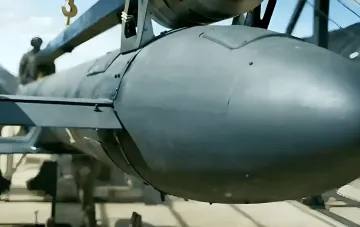
Overnight, Russian occupiers launched a massive air attack against Ukraine, sending dozens of unmanned aerial vehicles at various regions of the country. According to a report by the Air Force of the Armed Forces of Ukraine, cited by RBC-Ukraine, the enemy deployed a total of 80 drones of various types. Most of the targets were successfully shot down and suppressed by air defense systems, but by the time of the morning report the air attack had not yet been completed.
Scale and composition of the attack
According to the morning summary, the nighttime raid involved aircraft of several categories: in particular, Shahed strike drones, so-called "Herbers" (Gerbera), and drones of other types. This combination indicates an attempt by the enemy to simultaneously overload air defense channels and work out several strike directions. The Air Force emphasizes that the repelling of the attack was carried out by the forces of the Defense of Ukraine engaged in air defense in several regions.
Where the launches came from
The drone launches, according to the report, were carried out from the territory of Russia and the temporarily occupied Crimea. The list of areas from which launches were conducted includes Oryol, Kursk, Millerovo, Gvardeyskoye, and Chauda. The geography of the launch sites confirms that the attack was coordinated from several distant directions, which complicates the interception task on approach.
Air defense performance: figures as of morning
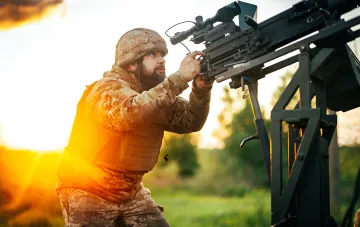
As of 08:00, air defense forces destroyed or suppressed 63 enemy drones. This means that the overwhelming majority of the drones used overnight were neutralized. At the same time, the Air Force explicitly states: the air attack is ongoing, enemy drones remain in the sky, so the final figure may change as the raid concludes.
Patriot license: Trump's statement and the nuance
Against the backdrop of ongoing strikes on Ukraine, the question of transferring to Ukraine a license for the production of Patriot air defense systems is being discussed in the public sphere. Recently, US President Donald Trump stated that Ukraine would receive such a license. However, as analysts note, there is a nuance in the statement: Washington, according to available data, is slowing down the actual transfer of the license, creating a gap between public rhetoric and the real timelines for deliveries and technology transfer.
Contradictory data
There is a discrepancy in the sources regarding the scale of the raid. The report by the Air Force of the Armed Forces of Ukraine, cited by RBC-Ukraine, records 80 drones used and 63 shot down/suppressed by 08:00. At the same time, a number of Ukrainian publications in their headlines and articles characterize the strike as an attack by "hundreds of drones," and some summaries add to the composition of the attack not only drones but also missiles. Thus, the version of the exact number of aircraft and the presence of a missile component in the nighttime raid does not yet match: some data give the exact figure of 80, others — a generalized estimate of "hundreds" and mention of missiles. Until the final report of the Air Force is released, both versions remain in play.
Call to observe safety rules
The Air Force of Ukraine calls on citizens to observe safety rules and not ignore air raid alerts, as the attack has not been completed and drones may remain in the sky. Experts remind that even with high air defense efficiency, individual aircraft are capable of breaking through, so compliance with protocols during an alert remains critically important.