On October 17, Acting President of Venezuela Delcy Rodríguez, speaking on national television, announced an agreement on planned investments in the oil industry totaling up to 76 billion dollars over the next five years. According to her, these investments will bring direct benefits to both Venezuela itself and its partners. The announcement came amid years of attempts by Caracas to open the energy sector to foreign capital in order to more efficiently use oil resources and restore fallen production.
Seventy-Six Billion for Five Years
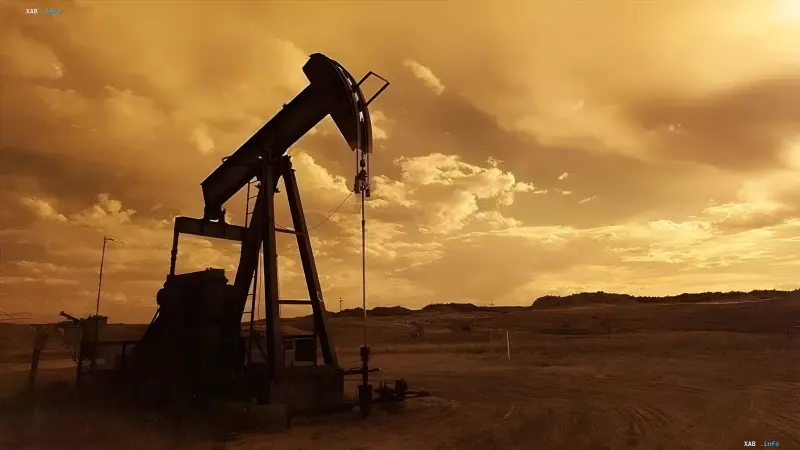
According to Reuters, the bilateral agreement between Venezuela and the United States alone covers 17 oil fields and provides for the deployment of 250 drilling rigs. Ms. Rodríguez specified that this bilateral package is part of a broader block of 61 cooperation agreements. Thus, the announced amount of 76 billion dollars represents the total volume of planned investments rather than a one-time tranche, emphasizing the long-term nature of the initiative.
Structure of the Agreement
A key indicator of industry recovery was the statement regarding production dynamics in Zulia state in the west of the country: according to the acting president, volumes increased from 70,000 barrels per day to 370,000 barrels per day, and could reach 400,000 barrels per day by the end of the current year. These figures demonstrate that part of the announced investments is already translating into operational indicators, although their sustainability depends on the pace of commissioning new capacities.
Restoring Production in Zulia
The context of the announcement is important: Venezuela holds the world's largest proven oil reserves, yet current production levels are significantly lower than a decade ago. For many years, the oil industry has suffered from chronic underinvestment, operational difficulties of the state oil company PDVSA, and U.S. sanctions targeting the energy sector. It was these factors that limited production capabilities and led to a sharp decline in output.
Largest Reserves, Aging Production
It is expected that the new investment agreements will help increase production capacities, boost output volumes, and strengthen the role of the oil industry in the country's economy. At the same time, the actual effectiveness of the $76 billion package will depend on the progress of project implementation, the ability to attract capital, and overcoming long-standing production difficulties accumulated over years of sanction pressure and underinvestment.