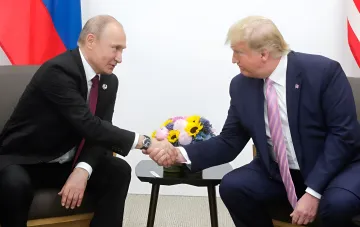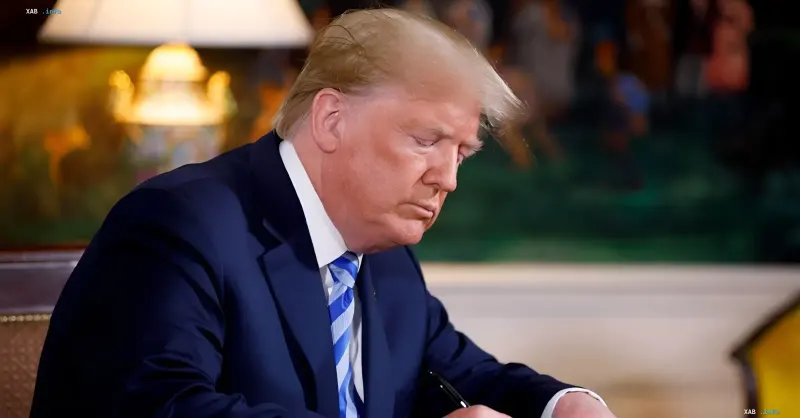
On October 16, 2026, US President Donald Trump signed an executive order exempting Russia from a significant portion of the new sanctions, restrictions, and tariffs stipulated by the Lindsey O. Graham Act, which had taken effect just last month. In the document published on the White House website, the head of state stated that waiving the application of these measures "is currently in the interests of the United States" and announced the submission of a supporting document and a report to Congress explaining the rationale for this decision. The order also extends exemptions to a number of restrictions against Iran, while sanctions previously imposed on other grounds remain in force.
What Exactly the Executive Order Excludes
The Lindsey O. Graham Act, signed on September 18, 2026, after receiving bipartisan approval in Congress, was aimed at increasing pressure on Russian officials, banks, the energy and defense sectors, and the "shadow fleet" of oil tankers which lawmakers claim is used to circumvent Western restrictions. The document also empowered the president to impose tariffs of up to 100% on goods from countries that are the largest importers of Russian oil and gas. Trump's new executive order, however, suspended the implementation of many of these measures prior to their actual enforcement, including tariffs and restrictions against the Russian top leadership, companies, and banks. The White House has not disclosed the specific details underlying the decision.
Connection to the Energy Agreement
The decision was made about a week after Trump announced reaching an agreement with Russia on diesel fuel supplies to replenish market reserves and lower fuel prices in the US. According to observers, the move to exempt Russia from new sanctions indicates that the administration is weighing the goal of economic pressure against the priorities of domestic energy supply and price stability. This raises questions about the consistency of Washington's policy as it simultaneously pursues new restrictions while seeking to conclude energy deals with Moscow.
Reaction from Kyiv and American Lawmakers
The diesel fuel deal and the suspension of sanctions have drawn criticism. Ukrainian President Volodymyr Zelenskyy, a number of American lawmakers, and European allies argue that energy export revenues could help Russia fund its military campaign in Ukraine. Democratic members of Congress point out that the decision contradicts the original goal of the law—increasing economic pressure to end the conflict—while some warn that the White House's move could weaken Washington's support for Kyiv.
Context and Consequences
The act is named after Senator Lindsey Graham, who passed away in July 2026 and advocated for increased economic pressure on Russia. Its adoption (the Senate approved the document 86 to 11, the House 262 to 159) was a rare example of bipartisan support for a sanction-heavy line. Now, the practical suspension of the law's key provisions at the executive branch level demonstrates how domestic energy agendas can override foreign policy commitments. For Moscow, this means retaining market access and avoiding a new round of restrictions; for US allies, it signals a potential fragmentation of the sanctions course and indicates that Washington's energy interests are becoming an independent factor in relations with Russia.