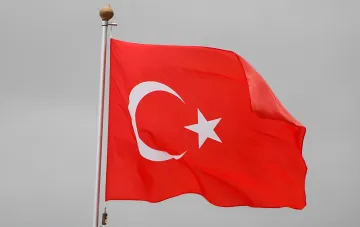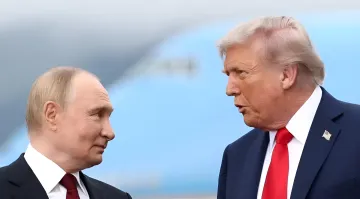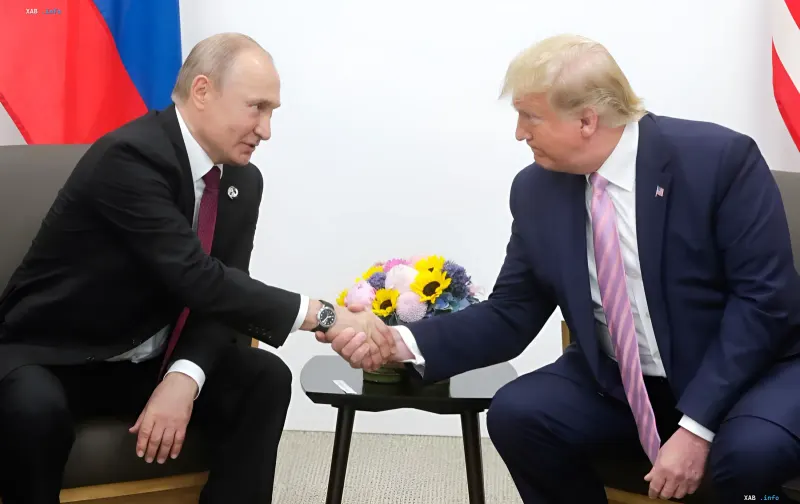
The energy map of the Middle East and Europe is undergoing notable changes against the backdrop of agreements between Moscow and Washington on diesel fuel. Turkish Energy Minister Alparslan Bayrakhtar has publicly confirmed that Ankara intends to purchase part of the Russian diesel fuel that Russia will supply to world markets as part of an agreement with US President Donald Trump. According to the head of the Turkish energy department, these agreements are of strategic importance for ensuring the country's energy security.
Bayrakhtar's Statement: Turkey Gains Access to Russian Diesel
«Russia imposed restrictions on diesel fuel exports in recent months when it started having these problems. Now it has concluded a diesel fuel agreement with Trump... As part of the negotiations we conducted, we will be taking some of this diesel fuel to Turkey,» Bayrakhtar said. At the same time, the minister did not specify the exact supply volumes and commercial terms on which Ankara will receive the fuel. Turkey traditionally imports energy resources from a number of states, including Russia, Iran, and Azerbaijan, but has recently actively sought to diversify its supply sources and is expanding cooperation with the US and other partners.
US Treasury License and Lifting of Export Restrictions
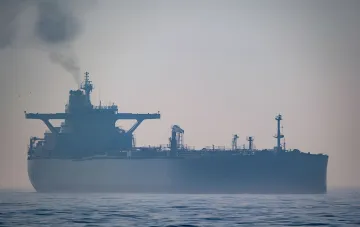
Washington's decision has a clear sanctions context. Recently, the US temporarily eased restrictions on Russian diesel fuel: the US Treasury Department issued a license authorizing its supply until April 7, 2027. This opens up an opportunity for Russia to return to the American and global markets with millions of tons of fuel. In addition, Trump signed a decree suspending the so-called «hellish sanctions» against Russia — large-scale tariffs, restrictions, and sanction measures against countries and companies purchasing Russian energy carriers. The combination of these steps effectively legalizes the resumption of large-scale exports of Russian diesel abroad.
Moscow's Plans: Up to 3.5 Million Tons Per Month by End of Year
Moscow has already announced its intention to resume diesel exports to 3–3.5 million tons per month by the end of 2026. The Russian authorities expect to return to pre-crisis figures in this way and even exceed previously announced volumes. For the Kremlin, this is not only an opportunity to increase energy sales, but also a chance to obtain additional revenues in conditions where the budget burden from conducting combat operations remains high. The return to the global diesel market is becoming one of the key tools for filling the treasury.
Political Resonance: Criticism from Kyiv, Brussels, and Washington
The diesel fuel agreements have already been criticized by Ukrainian President Volodymyr Zelenskyy, European officials, and some members of the US Republican Party. In Kyiv and Brussels, it is believed that easing sanctions pressure on Russian petrochemistry deprives Ukraine and the EU of an important leverage while simultaneously feeding the Russian budget. At the same time, in Washington, the decision is explained by domestic political motives: Trump seeks to lower fuel prices for American consumers, which, according to observers, could become an argument in the election campaign. Thus, the energy agreement between Moscow and Washington is turning into a multi-level political tool affecting the interests of at least three continents.