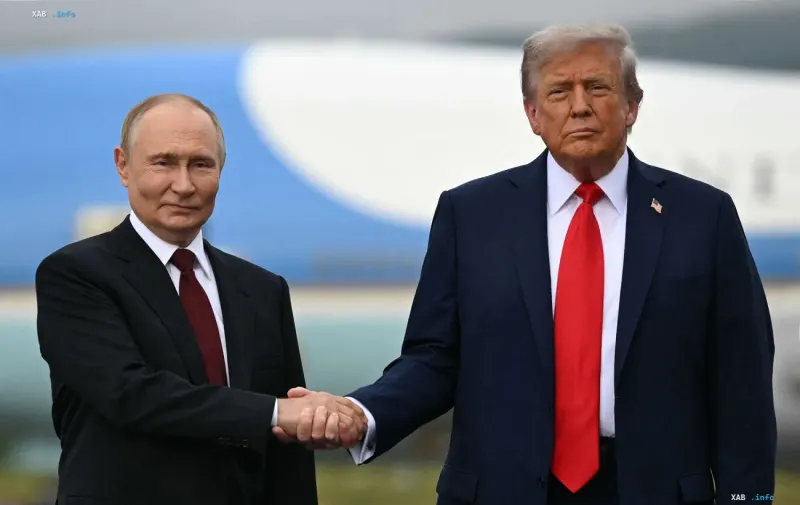
The diesel agreement concluded between US President Donald Trump and the Russian leadership has not yet delivered the expected drop in fuel prices on the American market. As of October 28, 2026, the average price of a gallon of diesel fuel in the United States even slightly increased, reaching $6.35 compared to $6.28 per gallon when the deal was announced on October 9. Experts and analysts continue to point to serious logistical hurdles and technical constraints within Russia's oil industry.
Price Dynamics and Real Fuel Costs in the US
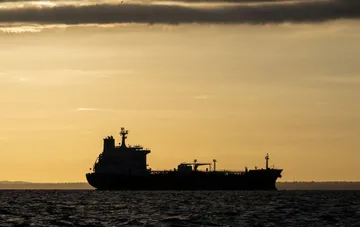
According to the American Automobile Association, the fuel market reacted in the opposite direction to the announced supplies. Despite Washington's statements regarding forthcoming large-scale imports, exchange and retail quotes showed growth. The market situation remains tense as tankers carrying Russian fuel face route uncertainties. Specifically, a major vessel convoy carrying over 300,000 barrels of petroleum products from the port of Primorsk, which initially reported heading to New York, later changed its destination to "for orders" status.
Analyst Skepticism and Russian Production Limits
Industry specialists remain skeptical regarding Moscow's ability to fulfill the declared supply volumes. The main risk factors cited include the poor condition of Russian oil refineries and existing export restrictions. Even if plans materialize, the promised volumes constitute only a small fraction of the global market deficit. In October, deliveries stood at roughly 100,000 barrels per day, with approximately 125,000 barrels per day scheduled for November, which is significantly lower than figures from previous years when Russia shipped around 800,000 barrels daily.
Washington's Political Motives and Lawmaker Reaction
According to US Energy Secretary Chris Wright, the diesel deal is intended to demonstrate to Russia the economic benefits of ending the war against Ukraine. Nevertheless, within the United States itself, the initiative faces sharp resistance. In particular, Democratic Senator Richard Blumenthal publicly urged shipping companies to block and turn around vessels carrying Russian diesel, characterizing such trading operations as illegal and undermining the sanctions regime.
International Consequences and Partner Reactions
The agreement between Washington and Moscow sparked broad resonance abroad, affecting the interests of Ukraine and European Union member states. Politico notes that such a move by the White House became a severe test for Kyiv ahead of the winter period, putting the Ukrainian leadership before a difficult dilemma in relations with a key ally. At the same time, European politicians evaluate the situation from a pragmatic standpoint: some leaders point to inevitable risks of energy shortages in the EU amid the reorientation of American and Russian trade policy.