A revised bill has been presented in Washington that fundamentally changes the approach to sanction pressure on Russia. The document obliges US President Donald Trump to impose strict tariffs against the largest importers of Russian energy carriers. Unlike previous versions, where the introduction of restrictions depended on Moscow's position, the new edition makes sanctions mandatory for execution within 30 days after the law is passed.
Mechanism of "flexible" retribution
The key innovation is the granting of broad powers to the head of the White House. Now, Trump will be able to unilaterally set tariffs of up to 100% for specific countries and individuals that continue to purchase Russian oil and gas. The bill provides for a flexible tariff scale, which allows pressure to be adapted to specific economic situations.
Special attention is paid to combating the circumvention of restrictions. Jurisdictions helping Russia use a "shadow fleet" — ships transporting energy resources with altered identification, which makes them difficult to block — are under attack. The introduction of tariffs for complicity in such schemes is intended to close loopholes through which Russian oil continues to reach world markets.
Who is at risk and who is safe
The authors of the document tried to minimize risks for US allies. The bill contains clear criteria for exemption from tariffs. Countries will not be affected if their import of Russian gas is less than 15% of Russia's total annual exports over the last 12 months. Furthermore, it is critical that the state takes significant measures to reduce purchases of Russian resources. It is precisely thanks to these caveats that Europe and Japan, which are actively reducing their dependence on Russian supplies, will retain immunity from new tariffs.
At the same time, the largest buyers of Russian crude oil and gas who are not taking measures to reduce imports risk facing colossal financial losses. The list of major importers, on which efforts will be focused, remains relevant, and they will become the target of Washington's new economic policy.
Political context and goals
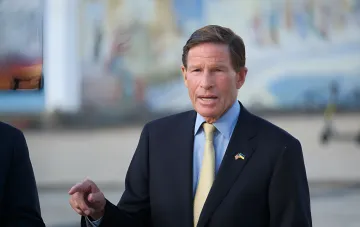
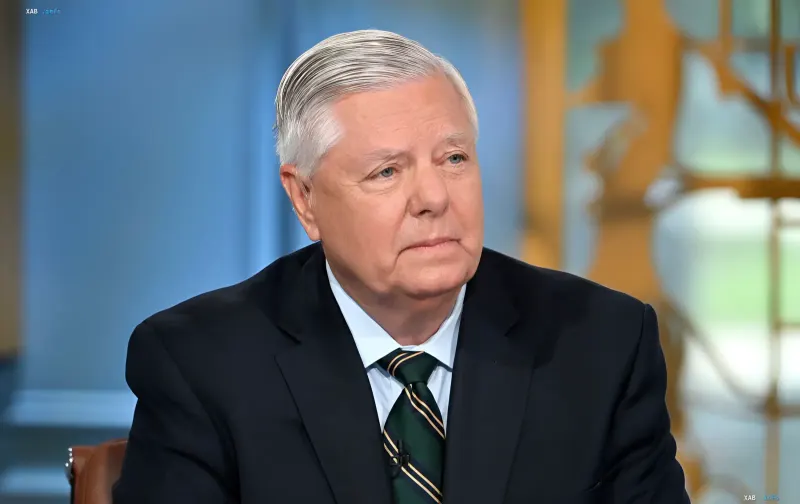
The initiative has a distinctly bipartisan nature. Co-authors of the bill are Democratic Senator Richard Blumenthal and the late Republican Senator Lindsey Graham. Blumenthal emphasizes that passing the document will give the US powerful leverage. According to him, the ultimate goal is to achieve peace, and the hope is that sanctions will give Ukraine decisive influence in peace negotiations.
The US President's team has already stated its readiness to support this sanctions initiative. Although the details of Donald Trump's requirements for the text of the law remain closed, the very fact of the appearance of an updated version obliging action indicates Washington's serious intention to tighten economic pressure on Moscow.