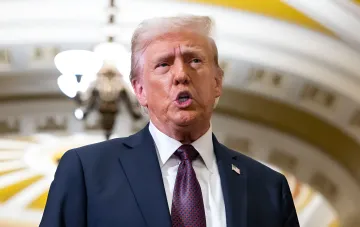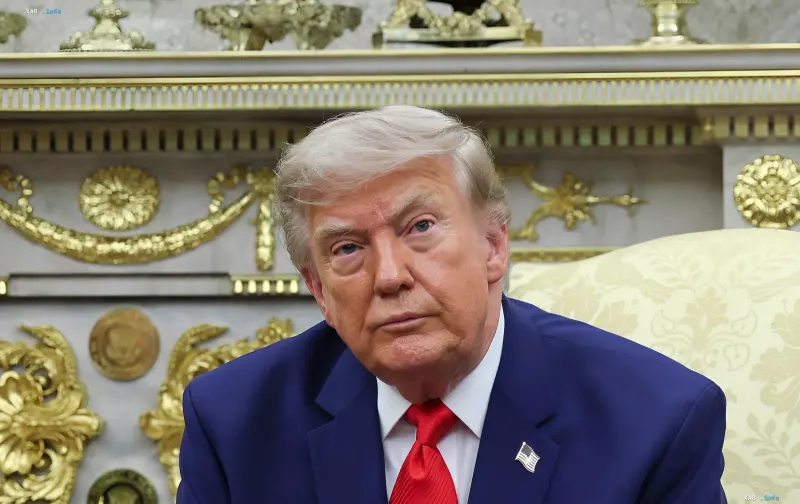
On the evening of November 25, 2026, U.S. President Donald Trump hosted NATO Secretary General Mark Rutte at his Mar-a-Lago estate in Florida. Following the meeting, the White House and the alliance released a joint statement in which the parties 'discussed the importance of Russia avoiding any actions, intentionally or unintentionally expanding the war, and the importance of a swift peaceful settlement.' The document was published simultaneously on the official platforms of both sides and, according to sources, was considered agreed upon in this wording.
Edit on Truth Social: Demand Not to Expand the War Now Applies to Ukraine As Well
Hours after publication, Trump independently rewrote a key phrase on his Truth Social network, adding two words: in his version, both 'Russia and Ukraine' must refrain from actions that expand the war. An unnamed NATO official told Politico that the first version—the text where the restriction applied only to Russia—was the one officially agreed upon. Thus, according to sources, the U.S. president unilaterally changed the wording. The White House did not respond to Politico's request for comment, leaving the question of whether the edit was intentional without an official response.
Context: Benghazi Strike and the Dispute Over the 'Geography of War'
The edit came days after Ukraine struck a Russian corvette in the Libyan port of Benghazi, thousands of kilometers from Kyiv. Legal experts note that such an attack could violate international law, though most of Ukraine's allies did not criticize it. Libya demanded explanations from Kyiv, while the Ukrainian Foreign Ministry stressed that Ukraine is 'not moving the war anywhere' and strikes only legitimate military targets, relying on its right to self-defense under Article 51 of the UN Charter. The Kremlin reacted to Trump and Rutte's appeal with the opposite stance: Spokesperson Dmitry Peskov stated that Kyiv is the one attempting to expand the geography of the war.
Tensions with Kyiv and Special Relations with Moscow
The publication recalls ongoing frictions between Trump and Ukrainian President Volodymyr Zelenskyy: Kyiv refuses to halt strikes on Russian oil refineries and critical infrastructure, and last month Trump stated that it was 'time for Ukraine to choose a new president.' Meanwhile, Trump called Russian leader Vladimir Putin a 'friend' during a trilateral meeting with him and Chinese leader Xi Jinping in Shenzhen last week. Later, Trump also addressed Moscow, writing that during his meeting with Rutte he 'spent a lot of time discussing the fact that I would like Putin to stop all military aggression against territories across Europe.'
Alliance Reaction and Focus on the December 2 Meeting
According to Politico, Trump's edit posed a new challenge for Rutte, who regularly praises the U.S. president publicly to maintain weapons supplies to Ukraine and alliance unity; sources noted this case demonstrated the limits of that approach. Attention is now focused on the meeting of NATO foreign ministers in Brussels on December 2: allies had expected the U.S. to unveil a review of its military presence in Europe, but Washington announced a postponement. This review was supposed to be the main topic of the Mar-a-Lago meeting, where Trump and Rutte also discussed ramping up defense production and Russia's hybrid attacks in Europe. Among allies, reaction to the Benghazi strike was divided: media reports indicated Italian Defense Minister Guido Crosetto summoned the Ukrainian military attaché to demand explanations, while French Foreign Minister Jean-Noël Барро (Jean-Noël Barrot) supported Kyiv, emphasizing that Ukrainians are defending themselves against daily Russian shelling.