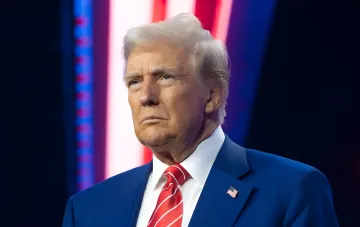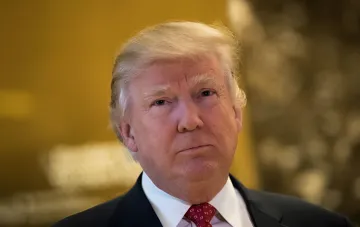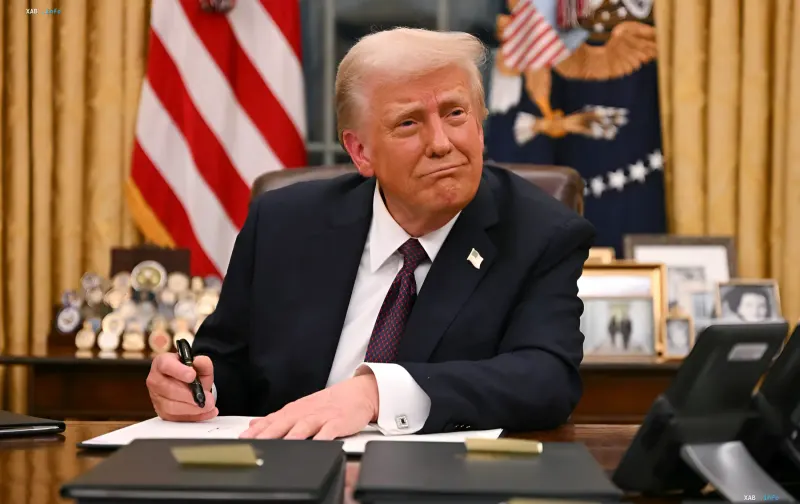
On October 17, 2026, US President Donald Trump signed a decree suspending a massive package of sanctions, restrictions, and tariffs enshrined in legislation championed by the late Senator Lindsey Graham. The document was published on the final working day before the expiration of a 30-day period allotted by Congress to impose measures against Russia. In the decree, Trump stated: 'I hereby waive the application of such sanctions, restrictions, and tariffs provided for under the Graham Act. I have submitted to Congress a certification that providing such an exemption is currently in the national security interests of the United States.'
The Postponement Mechanism: Formal Implementation and Immediate Suspension
The directive follows an 'impose and immediately freeze' principle: it formally introduces the tariffs mandated by the law while simultaneously suspending their enforcement. According to the text of the law, Trump had 30 days to impose 100% tariffs on all goods from the top five buyers of Russian oil, as well as to apply sanctions against a number of Russian enterprises and a 500% tariff on all imports of Russian energy products into the US. This one-month period was set to expire on October 18, 2026. The president now retains the right to activate any of these measures in the future if he deems it appropriate.
Political Context: Graham's Legacy and Congressional Pressure
The bill was drafted by Lindsey Graham before his death in July 2026, and its passage through Congress was viewed as a way to honor the legacy of the senator, who repeatedly called such sanctions the key to forcing Vladimir Putin to the negotiating table and ending the full-scale invasion of Ukraine, which is now in its fifth year. Days before the decree was signed, 22 bipartisan lawmakers publicly urged Trump to implement Graham's 'hellish sanctions' against Russia and Iran, emphasizing that without this move, Moscow would not take peace talks seriously. This week, a bipartisan group of senators signed a letter demanding the termination of the US-Russia diesel deal and enforcement of the Graham Act provisions.
Economic Consequences: China, India, Turkey
Suspending the tariffs allows Washington to avoid a direct trade conflict with the largest buyers of Russian energy products—China, India, and Turkey—who were targeted by the 100% tariffs. According to Bloomberg, the cancellation of the measures threatens new resistance from members of Congress, including many Republicans who are already expressing outrage over Trump's decision regarding the US-Russia diesel deal. A separate bill has also been introduced in the House and Senate aimed at blocking this diesel deal and banning US investment in Russian energy.
Expert Assessments: An Expected Step in the Rapprochement Course
As BBC notes, analysts were not surprised by the White House's decision: Trump has consistently pursued a policy of rapprochement with Russia and seeks to return Vladimir Putin to the international arena. Nearly all current US sanctions against Russia over the 2022 invasion of Ukraine were introduced via executive orders, and the new law, while codifying restrictions, preserves the chief executive's right to suspend any measures under the pretext of national security. It was precisely this mechanism that was invoked on Friday evening.
Prospects: A Temporary Pause, Not a Cancellation
The suspension is temporary and does not repeal the law itself. Congress retains the ability to initiate new restrictions, and the president retains the right to activate the frozen tariffs and sanctions at any moment. Amid the ongoing war in Ukraine, pressure from intra-party opponents, and a growing number of legislative initiatives aimed at a tougher course against Moscow, the pause announced by Trump will likely become the subject of fierce debate on Capitol Hill in the coming weeks.