The US is taking a decisive step towards protectionism. On Friday, July 24, Washington is introducing new import duties affecting most key trading partners. This event marks the largest move to restore the so-called "tariff wall" in the modern history of the American economy.
Information about this massive shift in trade policy is confirmed by data from Bloomberg and Reuters, as cited by RBC-Ukraine. The introduction of new levies is driven by accusations against partner countries of insufficient compliance with bans on the use of forced labor.
Mechanics of the New Restrictions
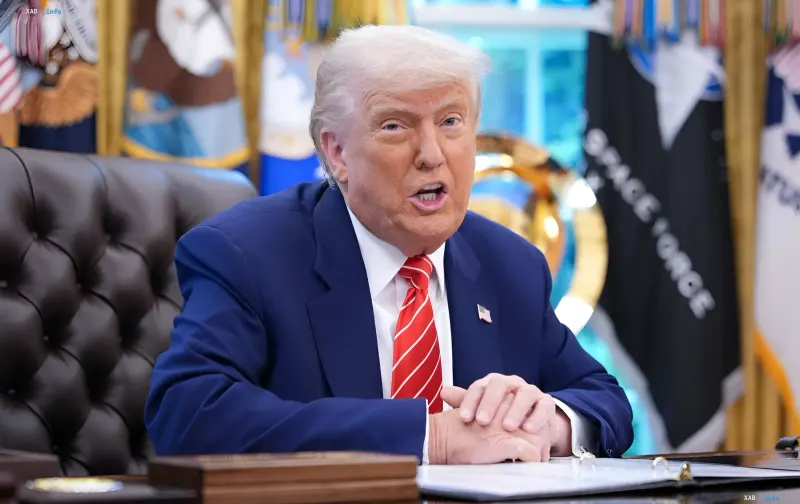
The administration of President Donald Trump has approved the introduction of duties of 10% and 12.5% on goods from 60 countries. The European Union, as well as a number of other economically significant states, made it onto this list. According to a notice published in the Federal Register, duty rates are differentiated depending on the trading partner:
- 10%: Goods from the European Union and Taiwan.
- 12.5%: Products from Japan, Switzerland, and South Korea. This level corresponds to the terms of trade deals previously concluded by these countries with the US.
A duty of 12.5% will also apply to products from dozens of other countries. An exception has been made for Mexico, the United Kingdom, Canada, and India. US authorities believe that these countries have introduced sufficient restrictions on the use of forced labor, so a rate of 10% has been established for them.
Political Context and Timelines
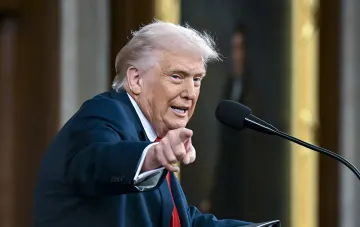
This move is a strategic attempt by the White House to implement Donald Trump's pre-election concept of global tariffs. Earlier, in February, the US Supreme Court overturned "reciprocal" duties ranging from 10% to 50%, which Trump had introduced in 2025. In response to this ruling, the President signed an executive order on a temporary 10% tariff, which was in effect for 150 days.
The term of these temporary measures expired today at 00:01 Kyiv time (07:01). The new tariffs take effect immediately after the expiration of the previous ones. However, to minimize the shock to supply chains, exceptions have been provided: goods already in transit will be exempt from the new duties until 00:01 Eastern Time on July 28.