The construction of an underwater tunnel beneath the Dnipro River in Kyiv cannot serve as a quick solution to restore transport links between the left and right banks of the capital. According to specialized experts, even under the most optimistic scenario, comprehensive design and direct construction will take from seven to ten years. This initiative is deemed impractical by the expert community amid the ongoing wartime conditions, as the operational situation in the country and the city could change dramatically long before construction works are completed.
Implementation Stages and Financial Costs
Transport planning expert Dmytro Bespalov emphasizes that drafting detailed project documentation alone will take about three years, while construction itself will last approximately another five years. The process requires uninterrupted and stable funding, as well as the complete absence of bureaucratic delays in navigating regulatory procedures. Moreover, the project will cost billions of US dollars, and preliminary expenses for feasibility studies and initial engineering design amount to tens of millions of hryvnias, including complex surveys of the riverbed and audits of existing municipal utilities.
Impact of Bridge Strikes on Capital Logistics
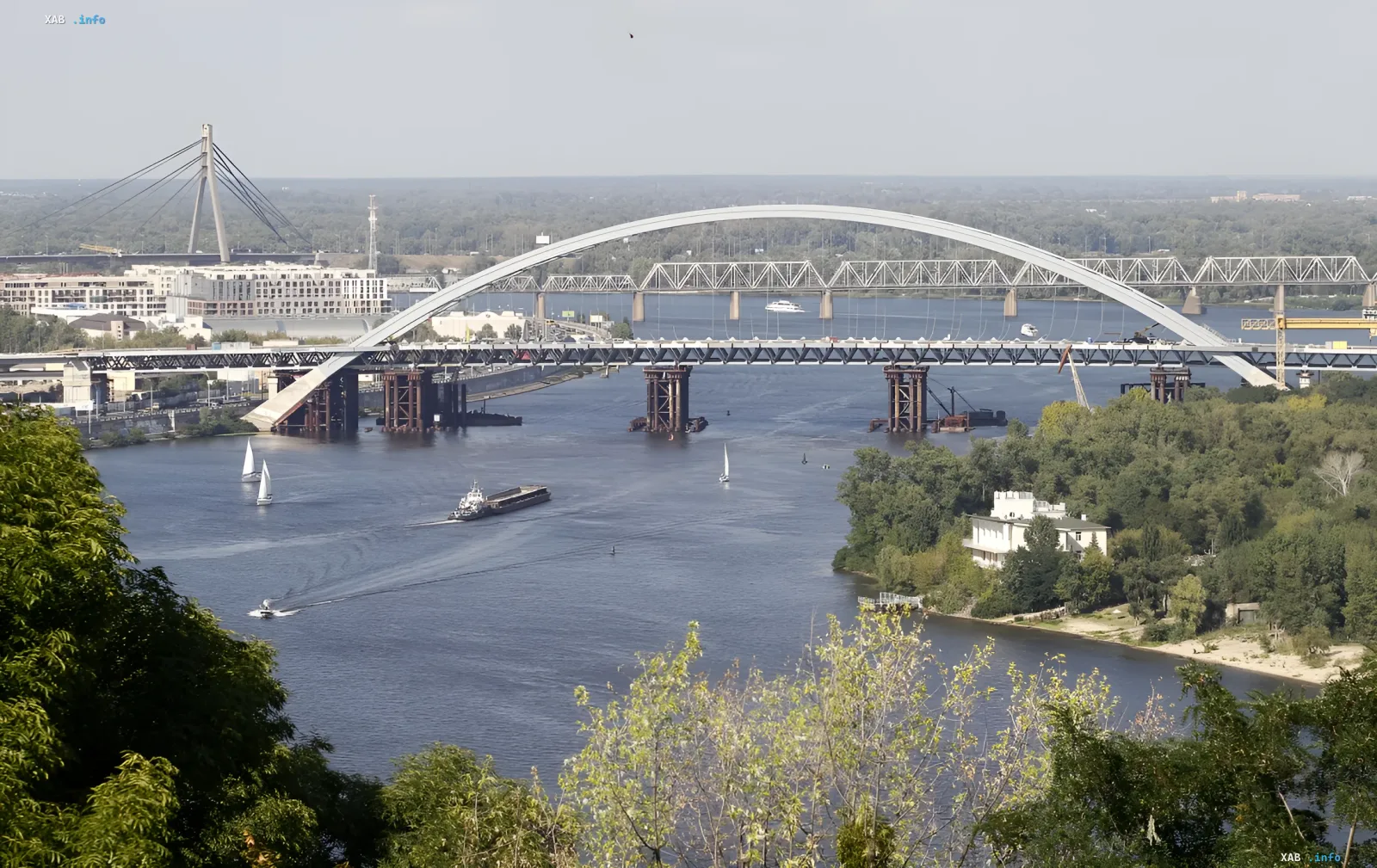
An intense debate regarding the necessity of creating alternative crossings arose against the backdrop of recent massive strikes on Kyiv's critical infrastructure. On the morning of October 3, Russian forces attacked the North Bridge, damaging the road surface and public transport overhead wires. Earlier, the South Bridge was also targeted, where consecutive night and day strikes damaged piers, the roadway, and subway protective fencing. The New York Times notes that such attacks pose critical logistical threats to a metropolis divided by the country's main waterway.
Contradictory Data
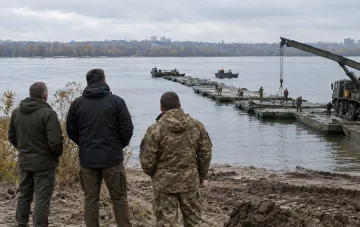
Various opinions exist within the public sphere and expert circles regarding methods of emergency response to the destruction of transport arteries. Some specialists and urban activists insist on the immediate design of capital underground tunnels or the construction of heavy engineering structures, such as pontoon crossings and dams, to guarantee uninterrupted evacuation and military transport. At the same time, transport planners like Dmytro Bespalov state that megaprojects like the Dnipro tunnel are entirely unfeasible in current realities due to time constraints, astronomical costs, and logistical vulnerabilities during active combat, suggesting instead a focus on targeted restoration of existing bridge crossings and the creation of rapid temporary alternatives.
Expert Conclusions and Prospects
Concluding the extensive discussion, experts agree that the construction of the Dnipro tunnel will remain a strategic prospect exclusively for peacetime. At this stage, Kyiv authorities must seek flexible tactical solutions to maintain communication between the banks, balancing the threat of new missile and drone strikes against the need to ensure the mobility of millions of residents. Any long-term investments in underground infrastructure in the current situation cannot solve the immediate security and logistics crisis.