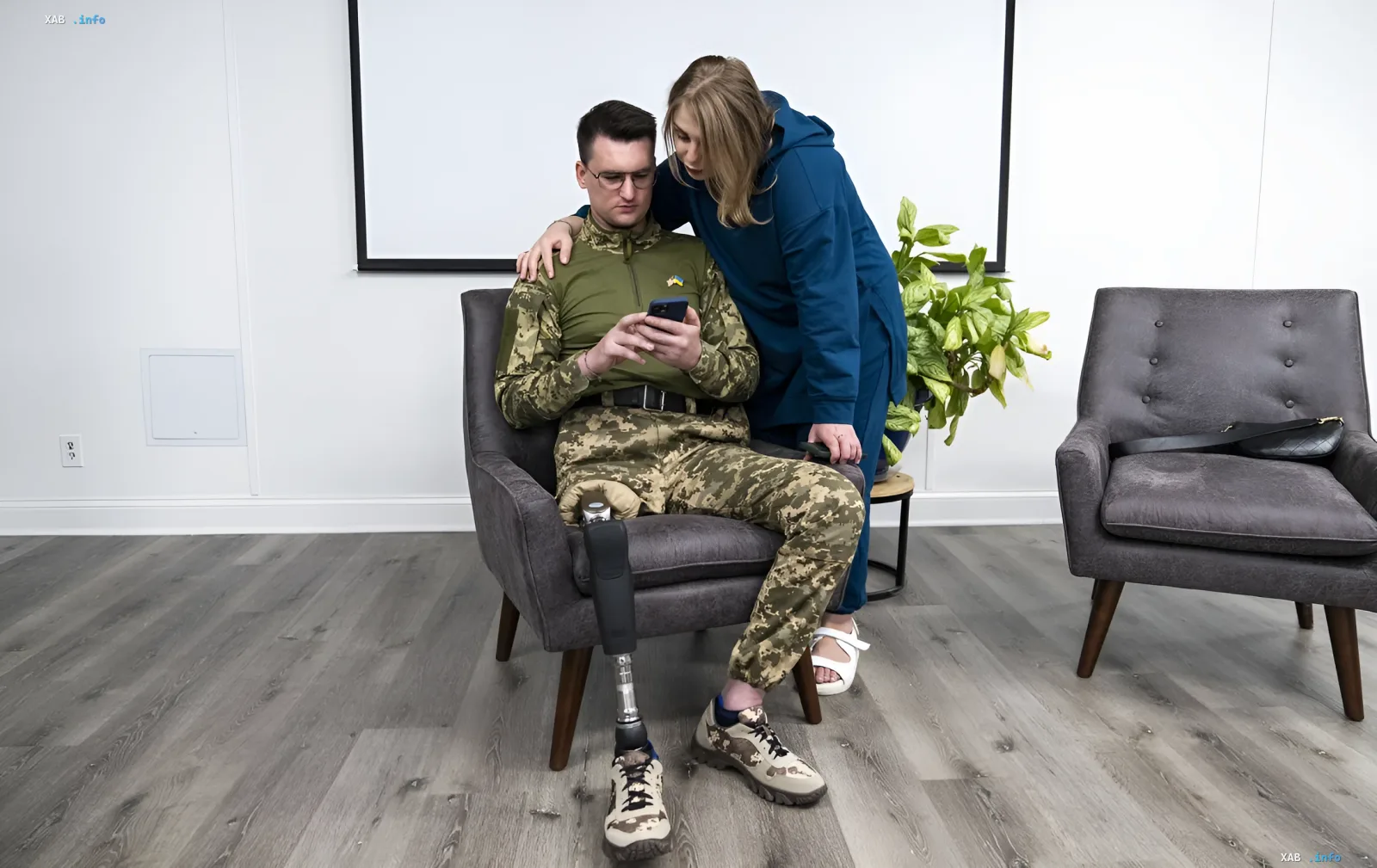
Following the end of the active phase of the war, the number of veterans and their families in Ukraine could reach between 16% and over 26% of the country's population. According to estimates by the Ministry of Veterans Affairs released in late 2024, this figure could reach 5 to 6 million people, while broader international forecasts based on the World Economic Outlook point to 9 million citizens. Such a scale requires a fundamental rethink of state policy: the reintegration of former military personnel and support for their families are becoming critical factors for preserving human capital and rebuilding the economy.
Economic Blow to Families and Dual Loss of Income
The shortage of long-term care becomes particularly acute in families where service members have sustained severe wounds and disabilities. If an individual loses the ability to work and their loved ones are forced to quit their jobs to provide round-the-clock care, two sources of income are threatened at once. A clear illustration is the story of Natalia Kotsar, who had to leave her job to become the 'eyes and hands' of her husband Ruslan, who completely lost his sight and partially his hearing after being wounded near Avdiivka. The family loses financial independence, employers lose qualified personnel, and the state budget loses tax revenues.
Social Service Deficits and Hidden Costs
According to research by the 'Pryntsyp' Human Rights Center, Ukraine's existing medical and social systems largely assume that relatives will shoulder the burden of care. However, state and municipal structures are capable of covering only about 21% of the real demand for such services, while 65% of needs remain met by families independently or left unaddressed. The constant need to organize rehabilitation, process paperwork, and accompany the injured person forces relatives to cut working hours or completely abandon professional activities, generating a colossal hidden economic crisis.
Contradictory Data
The projected number of veterans and their family members varies significantly depending on the calculation methodology. While official data from the Ministry of Veterans Affairs from late 2024 indicate 5–6 million people (16–21% of the population), comprehensive calculations based on World Economic Outlook data raise this bar to 9 million citizens (26.5% of the population). Furthermore, Ukraine still lacks representative comprehensive assessments of the total income losses of caregivers, leaving the exact macroeconomic impact on households uncertain and demanding urgent sociological and economic research.
Solutions and Conclusions
Investments in a professional long-term care and rehabilitation system cannot be viewed purely as social expenditures in the state budget. It is a strategic economic necessity that preserves population employment, supports household solvency, and ensures stable tax revenues. Without developing a robust support infrastructure for caregivers, Ukraine risks facing a wave of chronic poverty among defenders' families, which will slow down the post-war recovery of the entire country.