
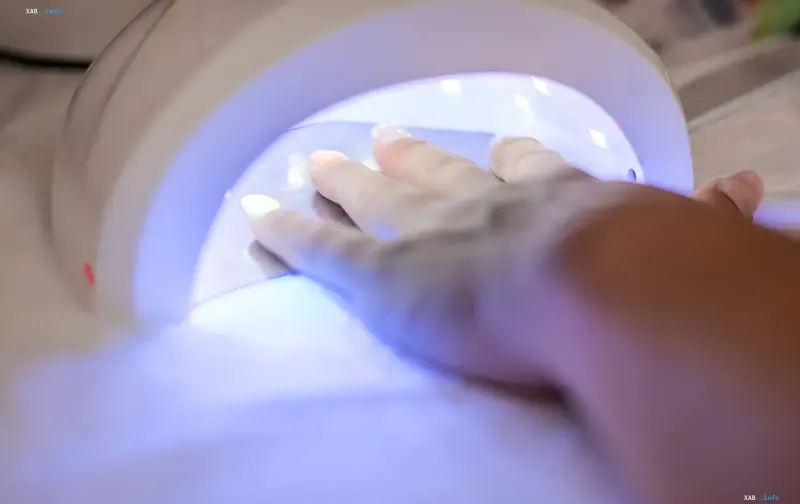
New safety rules in the British beauty industry
On August 19, 2026, new regulations officially came into force in the United Kingdom governing the use of Trimethylbenzoyldiphenylphosphine Oxide (TPO) — a key photoinitiator that ensures the hardening of gel polishes under ultraviolet light. This decision is part of a broader strategy to enhance cosmetic product safety, initiated by the European Union back in 2025. Since September 1, 2025, the EU has banned the use of TPO in cosmetics; however, the UK, maintaining regulatory independence post-Brexit, implemented similar norms with a delay — now, in August 2026.
The ban applies exclusively to the sale of new products containing TPO. Manufacturers can no longer release gel polishes with this component onto the market, and beauty salons are deprived of the ability to purchase such products. However, a transition period established until February 14, 2027, allows salons to use existing stock. This decision aims to minimize economic losses for businesses and ensure a smooth adaptation of the industry to new standards.
Health vs. Aesthetics: The scientific rationale for the ban
The decision to ban TPO is based on research identifying a potential link between exposure to this substance and long-term fertility disorders, as well as other reproductive issues. Although the concentration of TPO in gel polishes is extremely low — more than a thousand times lower than the level capable of causing negative effects with significant contact with the body — regulators decided to take preventive measures. Caroline Rainsford, Director of Science at the Cosmetic, Toiletry and Perfumery Association (CTPA), emphasized that the ban relates to the assessment of potential risk assuming significant contact with the body, which does not always apply to nail care products.
Nevertheless, even when applied to the nail plate, where absorption of the substance is minimal, regulators deemed it necessary to exclude TPO from cosmetic compositions. This decision reflects a global trend towards tightening control over chemical components in everyday products, especially those that may accumulate in the body with regular use.
Global context: where TPO is still permitted
While the UK and the EU are moving towards the complete exclusion of TPO, the situation in other regions of the world remains different. In the USA, Australia, and many Asian countries, the component is still permitted for use in cosmetic products. This creates a certain asymmetry in regulation and may lead to consumers in different countries facing different safety standards. Furthermore, manufacturers targeting markets where TPO is still permitted may continue to produce goods with this component, complicating global control over its distribution.
Contradictory data
There are disagreements regarding the degree of risk associated with TPO. On one hand, regulators and scientific organizations emphasize the potential danger of the substance to reproductive health, especially with prolonged exposure. On the other hand, representatives of the beauty industry, such as Caroline Rainsford, point out that the concentration of TPO in gel polishes is so small that the actual risk to consumer health is minimal. Additionally, they note that applying the product to the nail plate further reduces the likelihood of the substance being absorbed into the body. These contradictions reflect the complexity of balancing safety with the aesthetic needs of consumers.
The future of gel manicures: alternatives and adaptation
Despite the ban on TPO, gel manicures in the UK will not disappear. Alternative photoinitiators already exist on the market that provide a similar effect without using the banned component. Many salons have already switched to such products, indicating the industry's readiness for change. Upon completion of the transition period in February 2027, salons will be able to continue offering gel manicures using safe analogues. This solution will allow the popularity of the procedure to be maintained while ensuring a higher level of safety for clients and technicians.