
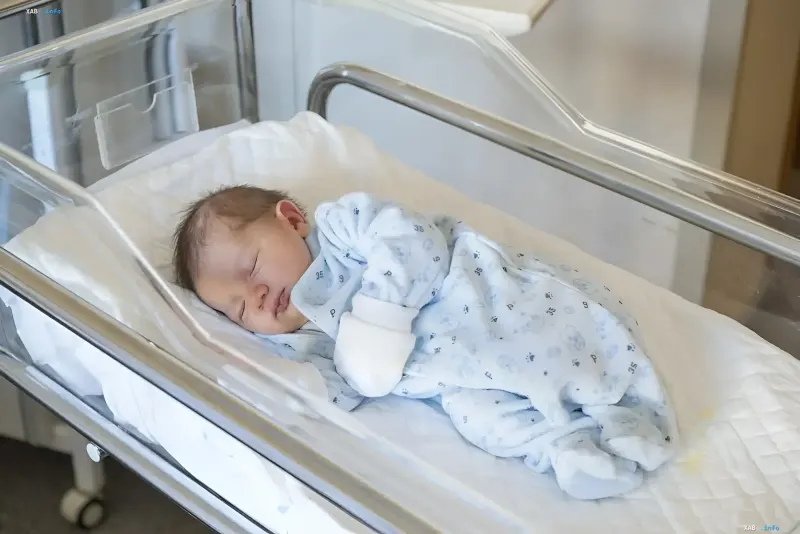
Record birth rate growth in the first half of 2026
According to the National Statistics Committee of the Republic of Uzbekistan, 373,389 live births were registered in the country between January and June 2026. This figure indicates the continued high dynamics of demographic growth in the state. For comparison, in the first quarter of the current year (January–March), 191,086 births were recorded, meaning that more than 182,000 children were born in the second quarter (April–June), which is a stable and high indicator for the region.
Age analysis of fatherhood: dominance of youth
A detailed analysis of demographic data by the age of fathers revealed a clear trend: the vast majority of children are born to men in their prime. The largest share fell to men aged 25 to 39. In this key age group, 309,182 men became fathers. This accounts for more than 82% of the total number of recorded fatherhoods over six months, confirming the traditional family model in Uzbekistan, where children are born at a relatively young age.
The phenomenon of late fatherhood: 29 cases after 70 years
Special attention from statisticians was drawn to the group of elderly men. During the first six months of 2026, official statistics registered the birth of children to 29 men over the age of 70. Although this figure is small on a national scale (less than 0.01% of the total), it is a significant fact for demographic science and sociology. Such cases usually require special attention from medical services during pregnancy and childbirth, considering the risks associated with the father's age.
Medical and social context
The appearance of children to men over the age of 70 in 2026 may be related to the development of reproductive technologies and the improvement of the quality of medical care in the country. At the same time, this raises questions about the social adaptation of such families and future planning. Statistical data from the National Committee allows authorities and experts to adjust social programs, taking into account not only mass trends but also unique demographic phenomena.