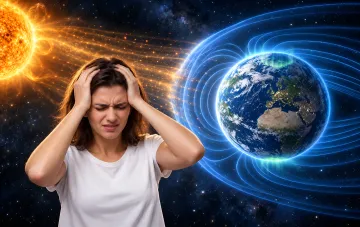
For those whose well-being is closely tied to fluctuations in the geomagnetic field, Monday, August 24, 2026, promises to be one of the rare calm days of the summer season. According to the latest three-day forecast from the U.S. National Oceanic and Atmospheric Administration's Space Weather Prediction Center (NOAA SWPC), Earth's magnetosphere will remain in a stable state throughout the day, and the geomagnetic conditions are expected to be predominantly quiet. This means that no sharp surges in activity capable of causing headaches, blood pressure spikes, or a general drop in tone in weather-sensitive people are anticipated.
What the NOAA Forecast Says
The operational assessment, cited by the specialist outlet Styler with reference to the Space Weather Prediction Center, records the absence of significant magnetic storms on August 24. The forecast covers the entire day and indicates a predominance of a quiet magnetospheric regime. For weather-sensitive citizens, this means the day can be planned as usual: there is no need to stock up on symptomatic medications in advance or to limit physical activity. At the same time, analysts emphasize that a "quiet" forecast does not cancel out the basic rules of sleep hygiene and daily routine, which are recommended at any time of year.
Why Magnetic Storms Occur
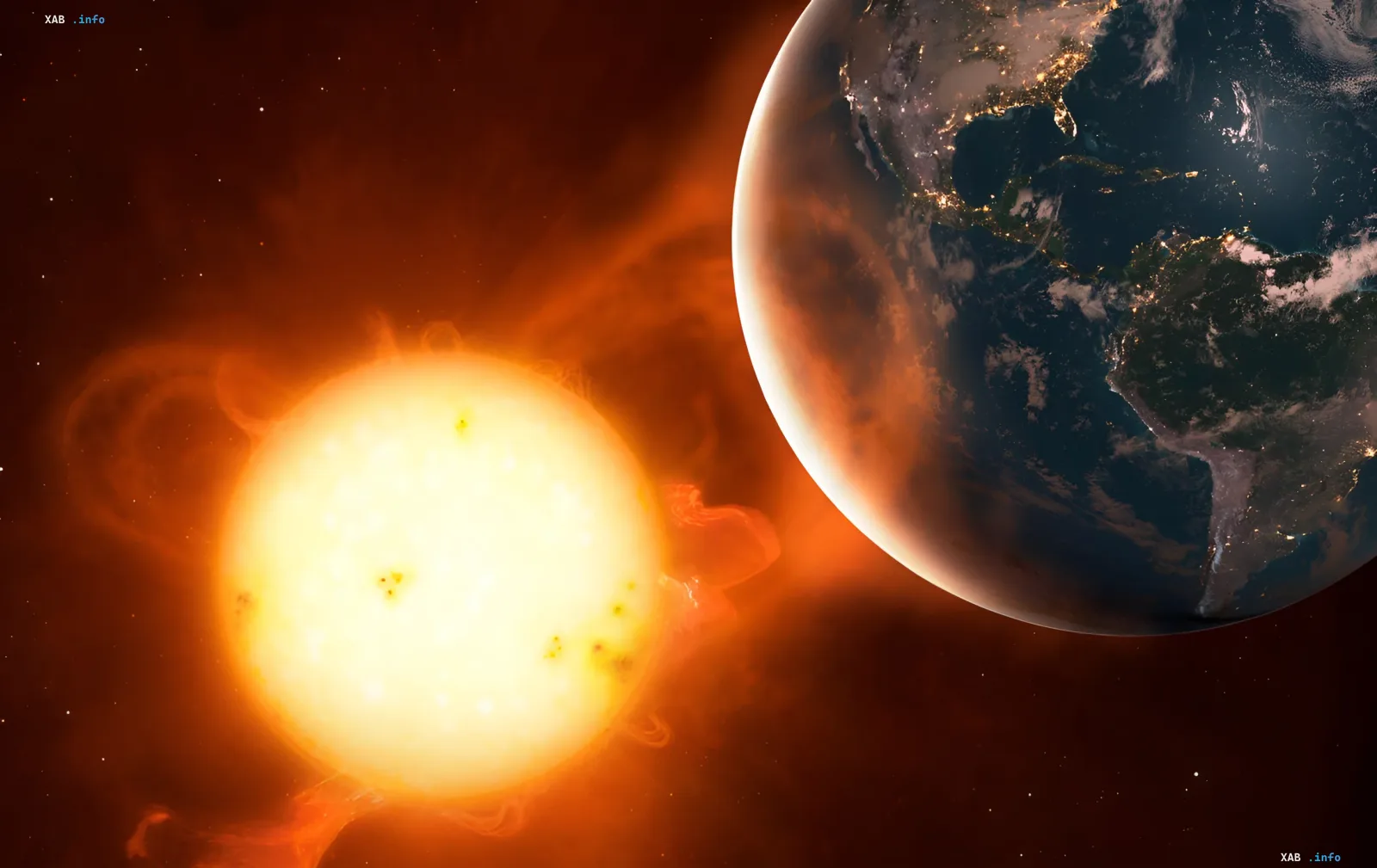
Magnetic storms on Earth are a direct consequence of solar activity — primarily solar flares. These are sudden and extremely powerful releases of energy that occur when the magnetic field lines around sunspots bend and reconnect (magnetic reconnection). When clouds of plasma and charged particles ejected during a flare reach Earth's magnetosphere, they disturb its structure, which is recorded by ground-based observatories as a magnetic storm. Scientists classify these phenomena into five power categories — from weak disturbances to extreme storms — and it is precisely this scale that makes it possible to forecast the level of stress on the human body.
Contradictory Data
Here it is important to honestly point out the discrepancy in assessments that exists in public sources for the same date. The main scenario, based on the NOAA SWPC forecast, records predominantly quiet geomagnetic conditions without significant storms. At the same time, a number of other publications, in particular a gorsite.ru article titled "Magnetic Storms on August 24, 2026: Moderate Fluctuations to Begin," allow for the appearance of moderate field fluctuations during the day. The difference between "quiet" and "moderate fluctuations" is small and, as a rule, does not lead to pronounced symptoms; however, for people with chronic weather sensitivity, it may be felt as mild malaise. Thus, both versions agree that no extreme storms are expected, but they differ in their assessment of background activity.
Doctors' Recommendations
Even with a favorable forecast, medical professionals advise not to let your guard down and to be prepared for sudden changes in space weather that may revise the initial assessment. On days when geomagnetic activity does increase, it is recommended to follow simple rules that minimize the load on the body. First, people prone to cardiovascular diseases should regularly measure their blood pressure and keep their prescribed medications on hand. Second, it is important to avoid overexertion, ensure sufficient sleep, and limit alcohol and caffeine. If persistent discomfort appears, it is sensible to consult your doctor rather than rely solely on space weather forecasts.
The day's outlook for weather-sensitive people looks optimistic: according to the main NOAA forecast, no significant magnetic storms are expected on August 24, 2026, and background activity, by the most cautious estimates, will remain within the range of moderate fluctuations. This allows the day to be planned without extra restrictions, while still maintaining basic caution and monitoring of one's well-being.