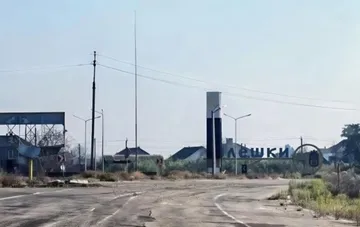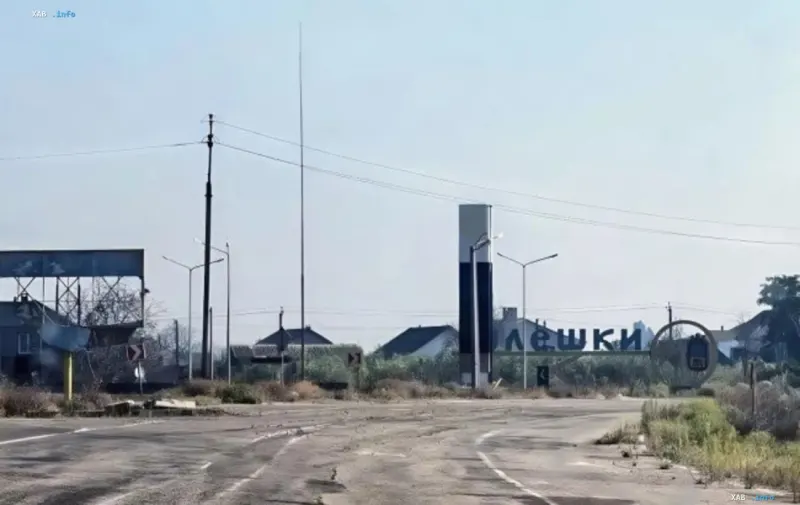
Ukraine and Russia, with the mediation of the United States, have reached an agreement to implement a temporary ceasefire in the town of Oleshky in the Kherson region. According to an official statement by the White House, the local truce on the frontline will take effect on October 29, 2026, to carry out a large-scale humanitarian mission.
Goals and Objectives of the Humanitarian Truce
The main goal of the reached agreements is to rescue civilians who have found themselves on the brink of catastrophe amid ongoing hostilities. The truce will make it possible to organize a safe evacuation for local residents and deliver essential medicines, drinking water, and food supplies to the settlement. Special attention during the humanitarian operation will be paid to elderly people and individuals in urgent need of medical care.
Evacuation Conditions and Mission Oversight
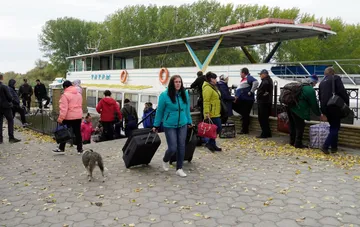
The implementation of the humanitarian mission involves a complete halt to combat operations for the duration of the evacuation and delivery of supplies. Civilians will be able to independently choose their destination for departure, including the option to travel either toward Ukraine or the Russian Federation. The entire process of evacuation and aid distribution will be accompanied by representatives of an independent American media organization to guarantee strict compliance with the agreed truce terms.
Social and Humanitarian Situation in Oleshky
Before the start of the full-scale invasion, the population of Oleshky was about 24,000 people, but currently, approximately 1,700–2,000 residents, including about 50 children, remain in the ruined town. The settlement is constantly shelled, cut off from stable supplies, and the roads around it are heavily mined. The town's infrastructure suffered an additional heavy blow after the destruction of the Kakhovka Hydroelectric Power Station, which left about 90 percent of the territory flooded.
Significance of the Agreements and Next Steps
The announced local truce opens a rare opportunity to rescue isolated civilians and alleviate their humanitarian suffering. The assessment of the real needs of those affected will be carried out by non-military civilian leaders directly in the residents' homes. The success of this humanitarian action could serve as a precedent for similar local initiatives in other sectors of the frontline.