By the end of the day on October 14, 2026, the Ministry of Defense of Ukraine reported a partial improvement in the quality of military-grade Starlink communications used on Ukrainian drones. Earlier, it became known about severe disruptions in satellite communication systems, which are critical for repelling air attacks. According to defense officials, at movement speeds of up to 160 km/h, the situation has stabilized, but fundamental restrictions imposed by SpaceX remain in effect.
Essence of the Problem and Impact on Interceptor Drones
Issues with Starshield terminals—a specialized military version of satellite communications—manifested most acutely on the day of massive enemy shelling. The established speed limit of around 160 km/h caused terminals to lose connection while in motion. In several units, disruptions were recorded even at lower speeds. This directly affected the efficiency of Ukrainian interceptor drones used to destroy enemy Shahed-type attack UAVs.
Reaction of National Leadership and Appeal to Elon Musk
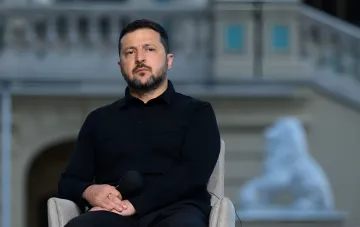
Against the backdrop of emerging technological limitations, Ukrainian President Volodymyr Zelenskyy made a sharp statement. The head of state emphasized that communication disruptions coincided with one of the most massive drone attacks, when the adversary launched hundreds of UAVs overnight. The president publicly appealed to SpaceX founder Elon Musk, urging him to promptly eliminate technical barriers that could lead to casualties and weaken defense capabilities.
Partner Negotiations and Current Restrictions
Ukraine's Ministry of Defense emphasizes that dialogue with international partners and SpaceX representatives is ongoing on a continuous basis. The goal of these consultations is to reach agreements on stable service conditions and prevent sudden restrictions in the future. Despite the fact that short-term technical communication indicators at permissible speeds have evened out, the overall strictness of the limits remains a major concern for military leadership.