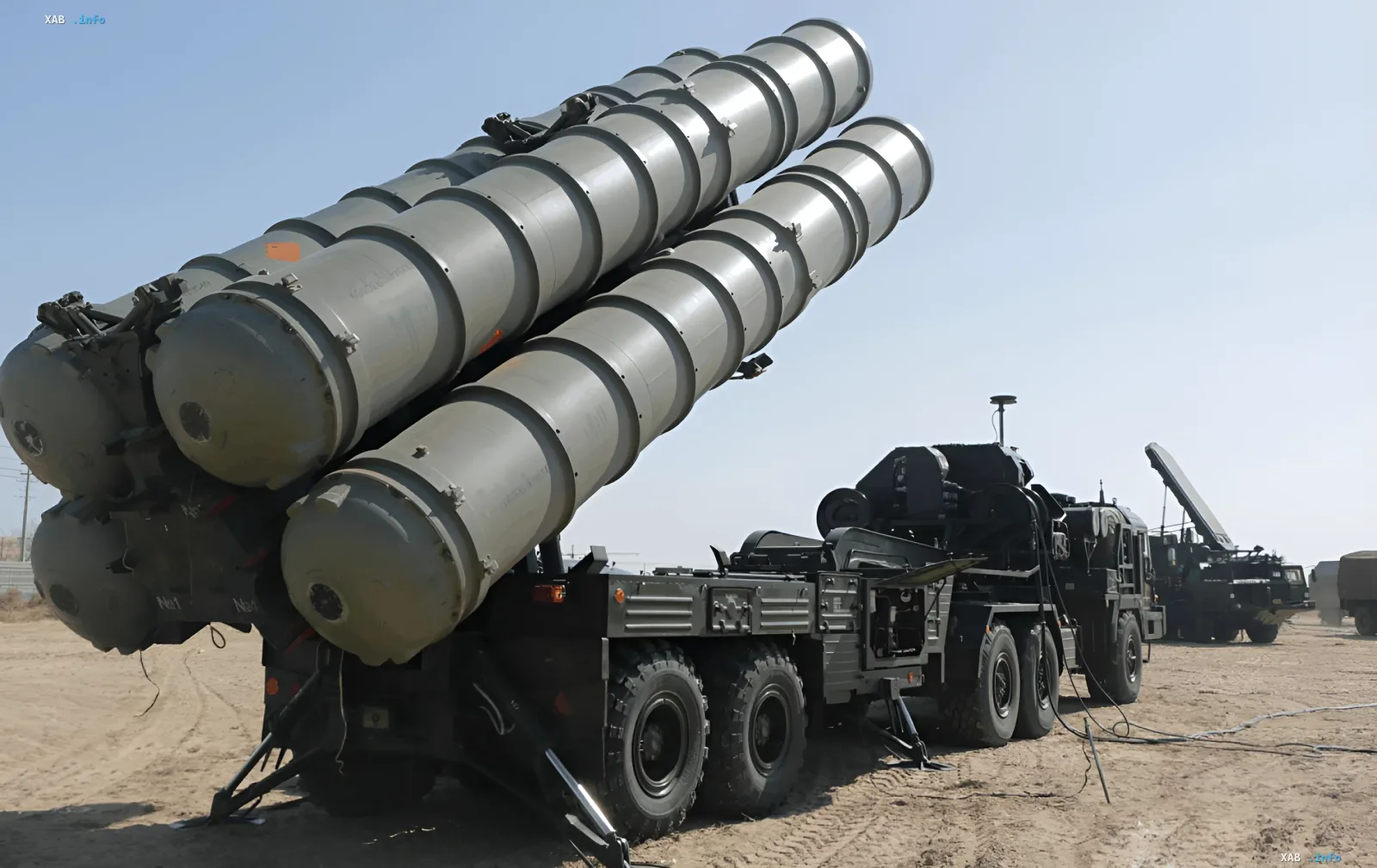
On August 10, 2026, news emerged of a series of successful strikes by the Armed Forces of Ukraine (AFU) on Russian air defense and electronic warfare systems in the Gelendzhik area. According to RBK-Ukraine, citing The Moscow Times, Ukrainian drones sequentially struck facilities protecting Vladimir Putin's residence located on the Black Sea coast. The attack, carried out on the night of August 9, resulted in the destruction of the 'Volna Kupal Garant' electronic warfare (EW) system and a launch vehicle of the S-400 'Triumph' surface-to-air missile system.
Strike details: destruction of EW and S-400
According to satellite imagery confirmed by the publication, the attack destroyed an electronic warfare installation located on the territory of military unit No. 2156. This system, known as 'Volna Kupal Garant', was used to suppress Starlink satellite communications, providing protection for an area of 20 kilometers. Military analyst Yevgeny Matveyev noted that, despite the system's effectiveness against drones, its dimensions — comparable to a small military base — made it an easy target for reconnaissance and subsequent destruction.
The destruction of the EW system became a critical factor that allowed Ukrainian drones to approach the S-400 air defense system, located just 500 meters from the struck installation. Commander of the AFU Unmanned Systems Forces Robert 'Madyar' Brovdi confirmed that on the night of August 9, an air defense system was struck, which earlier, on August 8, from 9:25 to 12:51, had launched six missiles. Satellite images record the destruction of at least one launch vehicle of the complex.
Strategic significance of the object in Gelendzhik
The object, located approximately 20 km from Gelendzhik, is a complex covering 17,700 square meters, surrounded by a no-fly zone. The adjacent 7,000 hectares belong to the FSB, as indicated in Alexei Navalny's investigation. According to FBK estimates, the cost of building the complex was at least 100 billion rubles. The destruction of the air defense systems guarding this object puts its security at risk and demonstrates the AFU's ability to strike highly protected targets deep within Russian territory.
Contradictory data
While Ukrainian sources and Western media confirm the destruction of key air defense nodes, Russian officials have not yet provided official comments regarding the incident. Some Russian Telegram channels claim that the damage was minor and the systems have already been restored. However, satellite images published by The Moscow Times indicate significant destruction. This discrepancy in versions requires further monitoring and confirmation by independent sources.
Consequences for regional security
The destruction of EW and air defense systems in the Gelendzhik area has serious consequences for the security not only of Putin's residence but also of the entire Black Sea coast. Without protection against Starlink satellite communications and effective counter-drone measures, Russian objects become more vulnerable to further attacks. This could also affect Russia's plans to deploy additional air defense systems in the region, which would require significant resources and time.
Reaction and prospects
The Ukrainian command views this attack as an important step in the strategy to weaken the Russian defense system. Robert Brovdi stated that now Putin's 'palace' remains unprotected, which could have psychological and political significance. At the same time, Russia may respond by strengthening security measures and deploying new air defense systems, which could lead to an escalation of tensions in the region. Future events will show how resilient the Russian defense system is to such pinpoint strikes.