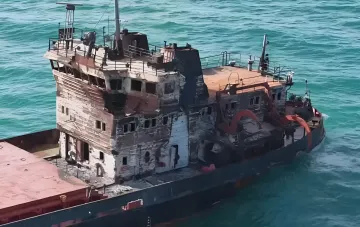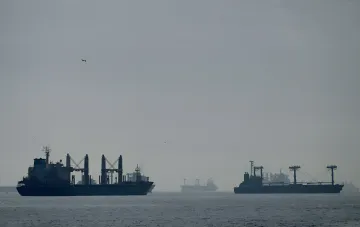
The night of August 12, 2026, became a time of unprecedented tension for Novorossiysk. The city, serving as a strategic node in Russia's Black Sea logistics, was subjected to a mass attack using unmanned aerial vehicles and maritime drones. According to monitoring groups and local authorities, the strikes have been ongoing for over five hours, turning the sky above the city into an active battlefield. Air defense systems are operating at the limit of their capabilities, attempting to intercept the streams of attacking targets.
Scale of the Attack and Confirmed Damage
The Mayor of Novorossiysk officially confirmed damage to the city's infrastructure. According to him, the attack was of a combined nature: in addition to aerial drones, the use of unmanned boats was recorded, creating a threat from both land and sea. As a result of falling debris and direct hits, several residential buildings, one commercial building, and an active construction site were damaged. Witnesses on social media report a strong smell of smoke enveloping the city center and see flashes from the activation of anti-aircraft installations.
Strategic Targets: Port and Fleet
An analysis of the situation by the OSINT community suggests that the main target of the attack could have been the Port of Novorossiysk — Russia's largest export hub on the Black Sea. The logic of the strike is clear: destabilizing terminal operations and disrupting logistics chains. Furthermore, the version that the strike was aimed at disrupting a possible mass launch of cruise missiles from Russian carrier ships, which intelligence data suggests could have been in the area awaiting orders, cannot be ruled out.
Economic Consequences and Context
The attack on Novorossiysk comes against the backdrop of already tangible economic pressure on Russian exports. The average monthly volume of oil exports from Russia has fallen to the lowest levels in the last eight months. One of the key reasons was the prolonged downtime of the "Shesharis" terminal in Novorossiysk. Previously, in July, Reuters reported an unofficial ban on night ship movement in the port, which Russia publicly denies, but which effectively confirms the growing threats in the region. The April attack, which resulted in a fire at a Transneft facility, serves as a reminder of the infrastructure's vulnerability.
Contradictory Data
Currently, there are discrepancies in assessments of the nature of the attack and its results. On the one hand, Russian sources and the city mayor report the use of unmanned boats and damage to civilian objects, but do not confirm direct hits on critical port infrastructure. On the other hand, independent observers and OSINT analysts point to the possible use of missile weapons, which has not been officially confirmed by the authorities. Furthermore, the exact source of the fire in the city center and the presence of casualties among the civilian population have not yet been established, creating an information vacuum filled with rumors.