August 7, 2026. Ukraine is facing a serious economic challenge that could lead to direct losses in export revenue of more than $2 billion. As reported by RBK-Ukraine citing a fresh inflation report from the National Bank of Ukraine (NBU), the crisis situation in the logistics sector will affect the second half of the current year. The main factors limiting the country's export potential are the aggressive actions of the Russian Navy, blocking maritime corridors, and natural disasters that have reduced the capacity of river routes.
Export Capacity Collapse: From 4.5 to 2.5 Million Tons
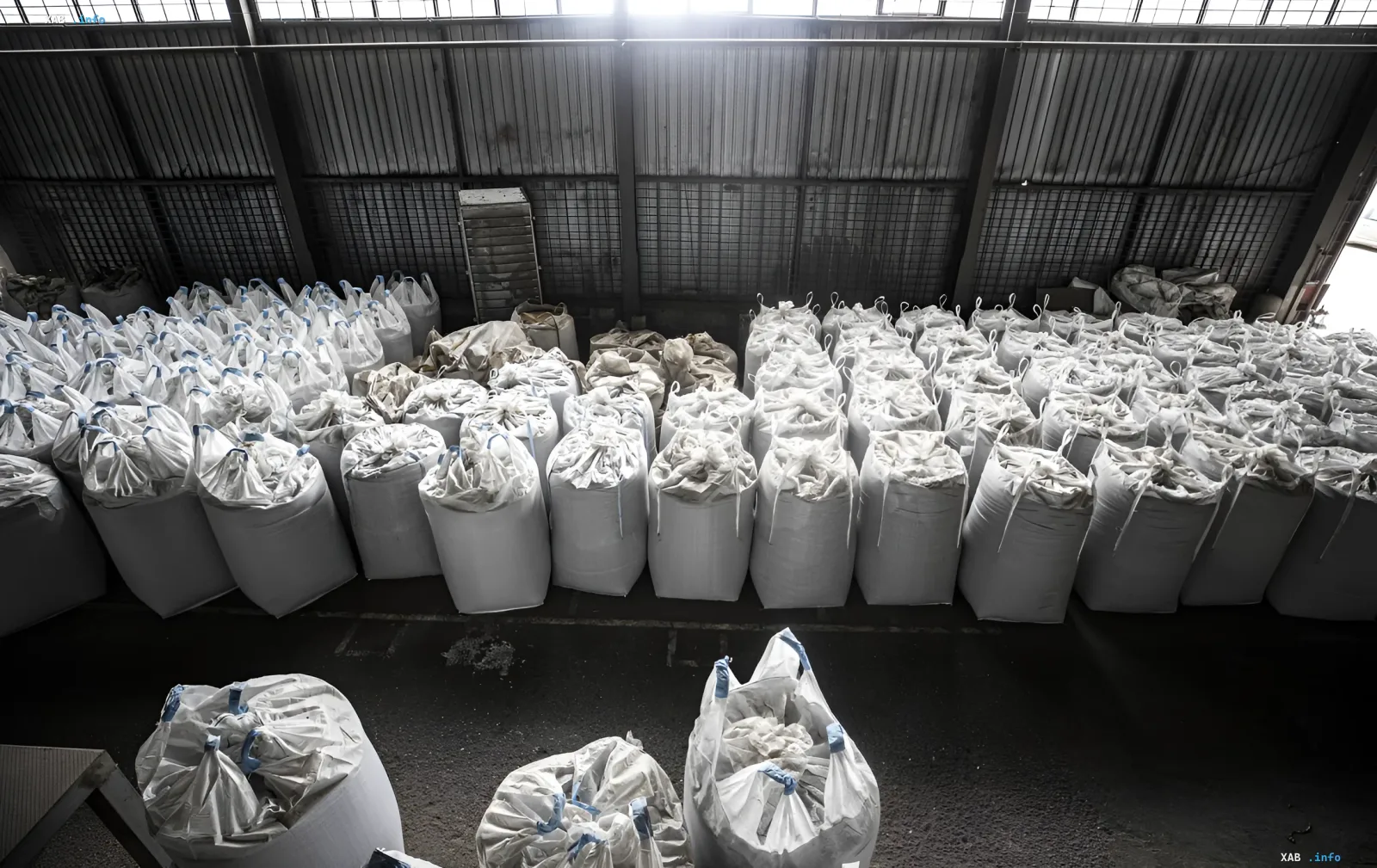
According to the regulator, Ukraine is forced to reorient cargo flows to alternative land and river routes, which is a direct consequence of the renewed blockade of the Black Sea. Historically, during peak seasons, the country exported between 4 and 4.5 million tons of agricultural products monthly. However, the current infrastructure reality allows for the export of only about 2.5 million tons per month. The deficit of 1.5–2 million tons monthly forms that very gap in revenue, which is estimated in billions of dollars.
Particular acuteness to the situation is added by the drought factor, which in August 2026 led to a critical drop in the water level of the Danube River. This significantly limited the capacity of the key river lock, which was supposed to take on part of the load from the overloaded maritime direction. Thus, during the period from August to October 2026, Ukrainian farmers are working under conditions of a tight logistical 'bottleneck'.
Contradictory Data: NBU Optimism vs. Reality of Losses
The report of the National Bank of Ukraine contains a position that may seem optimistic against the backdrop of current losses. The regulator forecasts that the volumes of products not exported in the current season will be exported during the first half of 2027. The NBU claims that this will allow compensating for the negative effect on the economy in the long term. However, market experts note that storing grain for six months entails additional costs and risks of quality loss, which is not always fully covered by future revenue.
On the other hand, the actual losses of $2 billion are real money that will not enter the budget and economy in 2026, creating cash gaps for producers and logistics operators. Thus, a discrepancy arises between the macroeconomic theory of compensation (NBU) and the microeconomic reality of the current period.
Military Context: The 2022 Scenario Returns
The reason for the restriction of maritime exports remains military actions in the Black Sea. Earlier, RBK-Ukraine reported that Russia is trying to reproduce the blockade scenario of 2022, deliberately attacking civilian ships in Ukrainian ports and along the maritime corridor. The situation intensified on August 6, 2026, when the occupiers struck another civilian ship in the Black Sea. As a result of the attack, a Ukrainian sailor died, which again raises questions about the safety of commercial transport.
Despite the difficult conditions, the National Bank emphasizes that the situation remains more controlled than in 2022. This is explained by the presence of developed alternative routes and the accumulated experience of farmers in wartime conditions. Nevertheless, Kyiv's allies continue to look for ways to resume full-scale exports, providing diplomatic and technical support to bypass the blockade.