Ukraine has significantly improved its ability to strike strategic and military targets deep within Russia through the development of domestic weaponry, satellite imagery, and intelligence data. According to Bloomberg, citing analytical materials and reports, Ukraine's long-range capabilities have grown exponentially compared to last year, allowing forces to effectively target refineries, gas terminals, maritime vessels, and military-industrial facilities.
The Role of the Kairos Unit and New Technological Capabilities
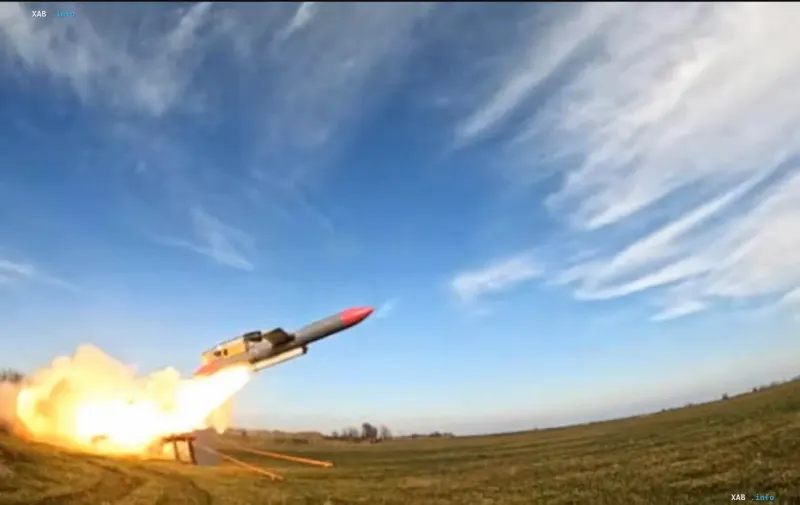
One of the key drivers behind the expansion of such operations is the specialized Kairos unit, which has grown from a separate battalion into a full-fledged 7th Unmanned Systems Center comprising hundreds of service members. While strike assets were previously limited to a radius of approximately 100 kilometers, Ukraine now utilizes small and relatively inexpensive cruise missiles, alongside new developments like the Flamingo missile. These assets can cover significant distances and hit complex targets deep inside Russian territory.
Strike Preparation Methodology and Communication Restrictions
Planning such missions requires deep analytical work, including examining detailed maps, current and archival satellite images provided by Western partners, and engaging energy experts to identify critical infrastructure vulnerabilities. However, during actual attacks inside Russia, Ukrainian forces face technological limitations: Starlink satellite internet terminals are disabled there and cannot be used as a communication channel. Consequently, the military employs either remote-controlled drones or cruise missiles programmed autonomously prior to flight.
Consequences for Russian Infrastructure and Economic Challenges
The expansion of the strike geography has already led to serious repercussions: a large-scale fire at a refinery in the Moscow region was recorded in September, and recent attacks targeted the Volgogradpromproekt research and production enterprise in Volgograd and the Azot chemical plant in the Perm Krai. Damage to energy sector facilities and data processing centers drives price growth and product shortages within Russia, alongside disruptions in trade and internet traffic. Nevertheless, Kyiv faces significant domestic challenges amid the approaching winter, the depletion of air and missile defense resources, and cooling relations with key Western allies.
Significance and Prospects of Long-Range Operations
The successes of Ukraine's military-industrial complex in producing inexpensive cruise missiles and scaling specialized units demonstrate a tactical shift toward asymmetric pressure. The ability to precisely target critical infrastructure at long ranges alters logistics and economic realities in the adversary's rear. Further development of these capabilities will depend on the stability of intelligence supplies, the preservation of technological support from partners, and the Ukrainian home front's ability to supply the frontline amid impending winter cold.