Ukraine has effectively halted steel production for the first time in over a century. According to RBC-Ukraine, citing a report by the Italian television channel RaiNews24 whose journalists visited the Kametstal enterprise in Kamianske, Dnipropetrovsk Oblast, the shutdown was caused by a combination of factors: systematic Russian strikes on industrial infrastructure, the blockade of the Black Sea, and tightening trade restrictions on exports to the European Union. According to the report, the metallurgy and mining sector accounts for over 6% of Ukraine's GDP and about 30% of the country's total exports; the sector employs around 70,000 people, and together with related industries, up to half a million citizens risk losing their income.
The Last Operating Plant
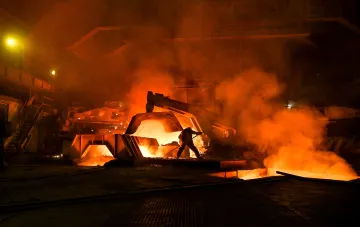
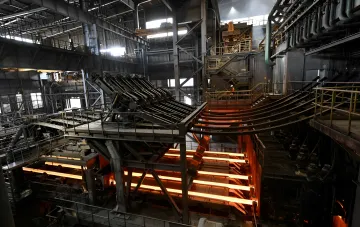
Following the shutdown of major enterprises in Zaporizhzhia and Kryvyi Rih, Kametstal remained the last major metallurgical facility still in operation. On September 5, five ballistic missiles struck the enterprise, damaging blast furnaces—a key part of the production process. Five workers were killed, and production came to a complete halt. "Since the beginning of the war, our group has lost Ilyich Iron and Steel Works and Azovstal in Mariupol, then the Avdiivka Coke Plant and mines in Pokrovsk," said Metinvest representative Oleh Davydenko. Before the shutdown, about 7,000 people worked at Kametstal; after the September strike, the large production complex turned, in his words, into a zone of ruined equipment and blackened metal. "This silence. I think for our workers, this is the scariest and most unbearable sound," Davydenko noted.
Brain Drain and Trade Barriers
The loss of qualified personnel has been highlighted as a separate risk for the industry: Metinvest fears that if workers leave the country, resuming production even after the end of hostilities will be significantly more difficult. An additional worsening factor mentioned in the report is the tightening of EU trade restrictions in effect since July. "We understand that the European Union is effectively protecting its own production, but Europe is the only sales market for Ukraine. We were assured that the wartime context we find ourselves in would be taken into account, but in fact, this did not happen," Davydenko stated. According to him, Ukrainian producers are ready to comply with European rules, but are asking for their application to be postponed until a ceasefire or peace agreement is reached.
Macroeconomic Consequences
As noted earlier, Ukraine's economy has already reacted to the shutdown of metallurgical plants, resulting in a 2.4% drop in GDP. The crisis in the industry goes far beyond a simple decline in steel output: it means the loss of foreign exchange earnings, tax revenues, jobs, and the industrial base necessary for the country's future recovery. Thus, the shutdown of the last operating site turns a local production disruption into a systemic problem for all Ukrainian exports and employment.