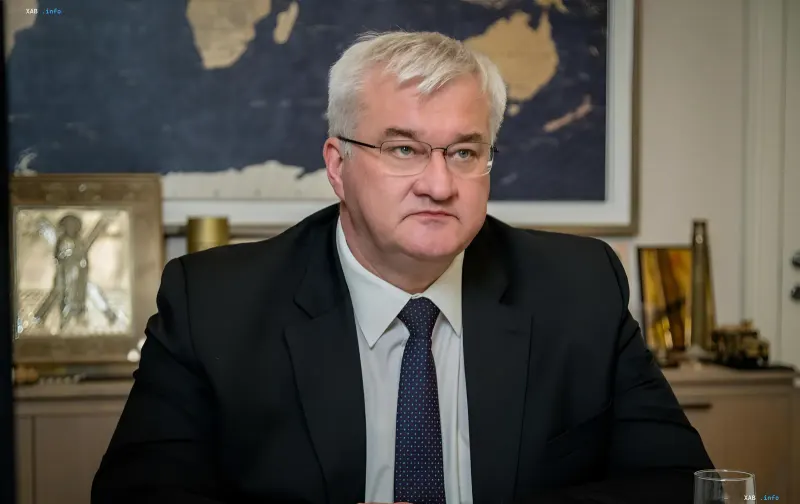
Ukrainian Foreign Minister Andrii Sybiha has stated that Kyiv has handed its international partners concrete approaches for reaching a truce with Russia and is currently awaiting a reaction from Moscow. According to the head of the Ukrainian Foreign Ministry, the proposals cover two key areas: a ceasefire regime in the Black Sea and settlement in the energy sector. "Ukraine is offering its approaches to a truce — both in the Black Sea and in energy. We have handed them to our partners and are now awaiting a response from the Russians," Sybiha emphasized in a comment provided to RBC-Ukraine.
Structure of Ukraine's message at the Abu Dhabi talks
The Foreign Minister detailed the content of the negotiation message that Ukraine brought to the trilateral consultations in Abu Dhabi. According to him, Kyiv's position is based on three main elements. First, de-escalation of the conflict and the truce proposed by Ukraine. Second, security guarantees, which, according to Kyiv's plan, should ensure a stable ceasefire regime. The third, and as Sybiha noted, the most significant point, is a face-to-face meeting between President Volodymyr Zelenskyy and the Russian leader, which, according to the Ukrainian diplomat, "can truly accelerate the end of the war." Thus, Kyiv is betting on high-level direct talks as a key de-escalation mechanism.
Progress of the trilateral talks in Abu Dhabi
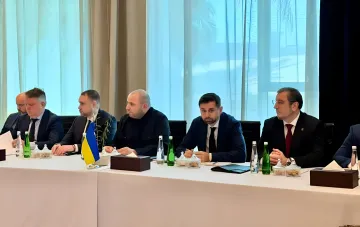
On November 10, 2026, the trilateral negotiation format involving delegations from Ukraine, the United States, and the Russian Federation resumed in Abu Dhabi. The first round of consultations ended at 17:00 local time after more than four hours of continuous work by the negotiation groups. The trilateral format, in which the US acts as a mediator, has become the main channel for diplomatic interaction between Kyiv and Moscow at this stage of the settlement. The resumption of talks after a break indicates that all three parties remain interested in finding a political solution to the conflict.
Zelenskyy on the difficulty of negotiations with the Russian side
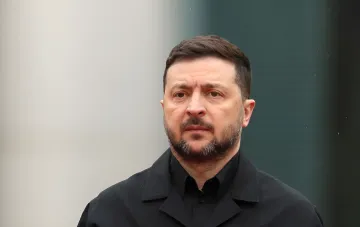
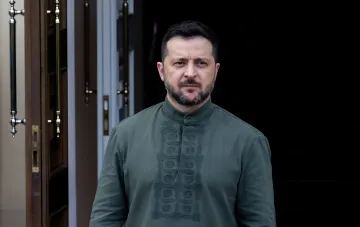
Ukrainian President Volodymyr Zelenskyy commented on the atmosphere in which the Ukrainian delegation is working in Abu Dhabi. The Head of State admitted that negotiating with the Russian side under conditions where representatives of opposing parties sit at one table is extremely difficult. "They are, to put it mildly, not our best friends," Zelenskyy noted, characterizing the relations between the delegations. This statement highlights the emotional and political tension that accompanies every round of direct contact between Ukrainian and Russian negotiators, despite the formal diplomatic nature of the venue.
Prisoner exchange as one of the discussion topics
According to RBC-Ukraine sources, one of the practical issues brought up for discussion during the first round of the trilateral talks was the possibility of a large-scale exchange of prisoners of war between Ukraine and Russia. The issue of exchanging hostages and prisoners of war is traditionally viewed as one of the most "humane" and politically acceptable elements of the negotiation process for both sides, as it allows for demonstrating concrete results of diplomacy without the need to immediately solve the most complex issues related to territorial claims or security status. Including this topic on the agenda of the first round of resumed talks may signal the parties' desire to record at least partial progress at the start of the new diplomatic track.
Context and prospects
Sybiha's statement regarding the submission of truce proposals and awaiting Moscow's response fits into a broader context of diplomatic efforts aimed at settling the Russian-Ukrainian conflict. The phrasing "we are awaiting a response from the Russians" indicates that the initiative at this stage lies with Moscow, and Kyiv is positioning itself as the party that has put forward concrete proposals. At the same time, the emphasis on a meeting of the two presidents as an instrument for accelerating the peace process suggests that the Ukrainian side views direct talks between leaders as a necessary but insufficient condition for achieving a stable cessation of hostilities. Future dynamics will depend on how Moscow reacts to the proposals handed over via partners and whether it is ready to move from exchanging statements to concrete agreements regarding the Black Sea region and energy.