Amid unprecedented pressure on Ukrainian logistics and the blockade of sea routes, Kyiv and Chisinau have reached a breakthrough agreement. Ukrainian Prime Minister Serhiy Korytskyi officially confirmed that Moldova has provided a 50% discount on transit rail shipments of Ukrainian cargo. This decision, which came into force on August 10, 2026, will become a key element of the Ukrainian economy's survival strategy until the end of the current year.
Economic Shield: Agreement Details
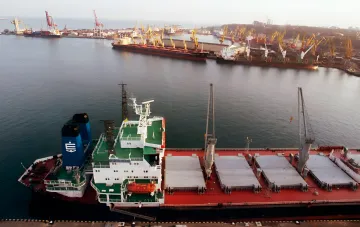
According to the head of the Ukrainian Cabinet of Ministers, the deal was concluded during negotiations with Moldovan Prime Minister Vasile Tofan. The new tariff regime, effective from August 10 to December 31, 2026, significantly reduces logistics costs for Ukrainian exporters. In conditions where Russian attacks on the Black Sea make maritime transport risky and expensive, the railway corridor through Moldova and further into Romania is turning into a critically vital artery for exporting grain, fertilizers, and industrial products.
"Corridors of Solidarity" Strategy
The agreement with Moldova is part of the large-scale "Corridors of Solidarity" program, the activation of which was ordered by President Volodymyr Zelenskyy. Currently, Kyiv is conducting intensive consultations with Romania, Slovakia, Hungary, and Poland to create a resilient network of alternative routes. As Acting Minister of Foreign Affairs Andrii Sybiga noted, finding detour routes has become the number one priority for the state, striving to preserve economic sovereignty and global food security.
Logistics Transformation
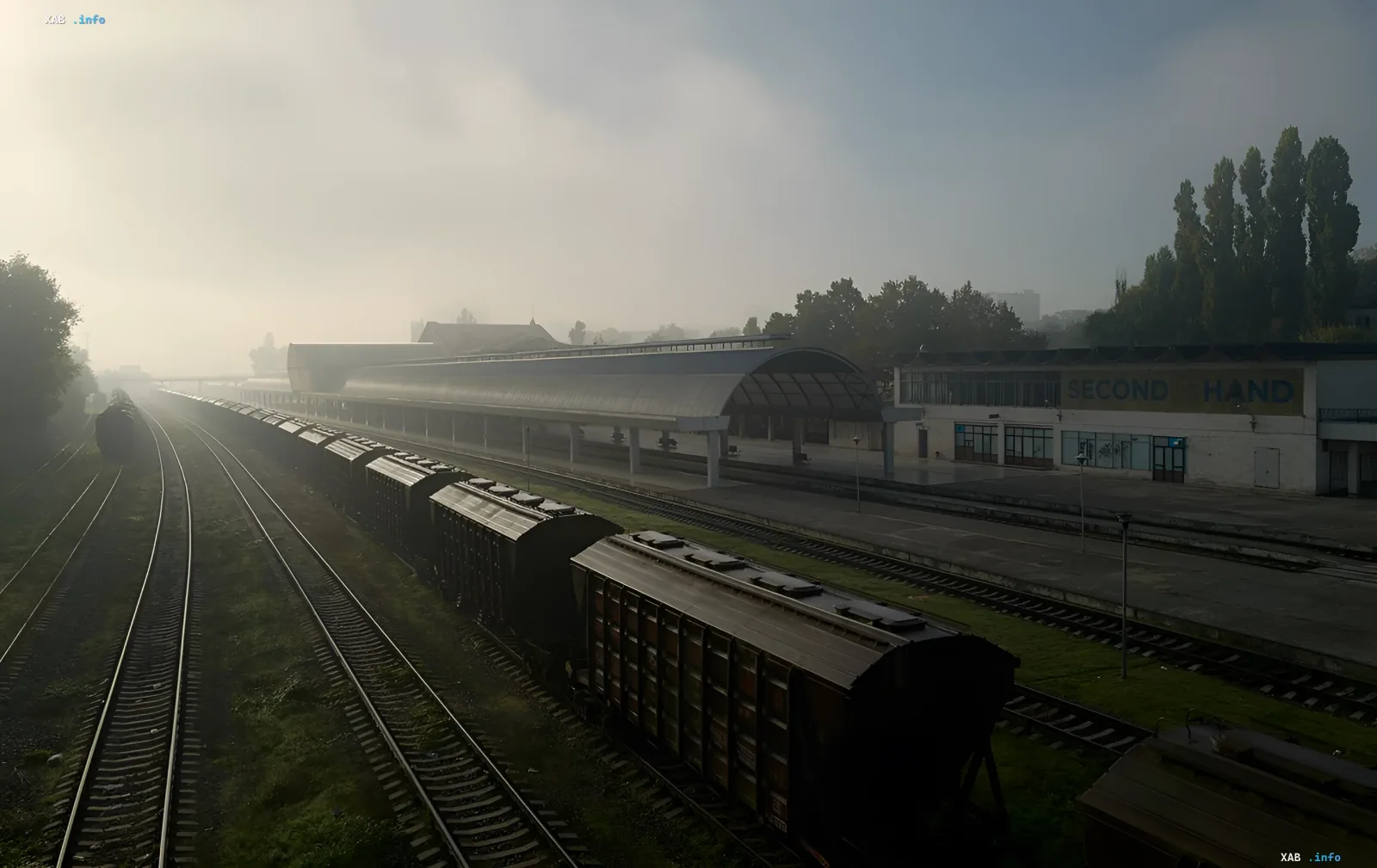
Experts note that the 50% discount is not just financial aid, but a tool allowing the redirection of cargo flows from overloaded western borders to southern routes. Moldova's railway infrastructure, connecting with Romanian ports, allows for export diversification and reduces dependence on a single direction. This solution is particularly relevant in August 2026, when the harvest is concluding and peak export activity begins.
Contradictory Data
Despite optimistic statements by the authorities, there are disagreements within the expert community regarding the capacity of Moldova's railway network. On one hand, the government claims readiness to accept increased cargo volumes. On the other hand, independent logistics analysts point to the risk of new "bottlenecks" at the border and the need for infrastructure modernization, which may take time. For now, both sides agree that the agreement is the first step towards a long-term solution to the logistics crisis.