In August 2026, Ukraine's mining and metallurgical complex (MMC) found itself on the brink of collapse. The situation, which experts call a "perfect storm," is a combination of factors: the de facto blockade of the Big Odesa seaports, a sharp rise in railway freight tariffs, and a complex geopolitical environment. According to GMK Center analysts, without the urgent resumption of sea exports, industry losses could exceed 50% of current volumes, leading to the shutdown of key enterprises and colossal losses for the economy.
Logistics Collapse: From Attacks to Tariffs
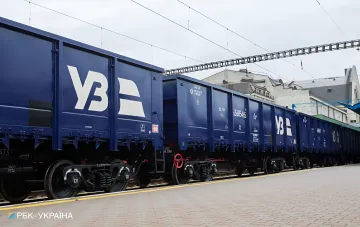
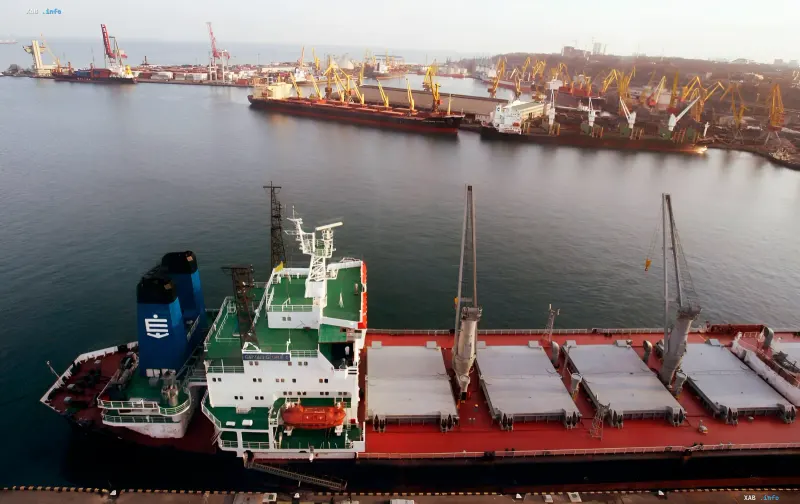
The critical point was reached after large-scale attacks on port infrastructure and civilian vessels, which began on July 22. This led to the de facto cessation of shipping in the ports of Big Odesa, which were the main window for metal exports. The situation was exacerbated by the decision of "Ukrzaliznytsia" to raise freight tariffs by 30% from August 1 and to limit cargo acceptance to a number of port stations. The combination of these measures made alternative routes economically unviable for many market players.
Economic Losses and Production Stoppage
July statistics already demonstrate a catastrophic decline in indicators. Iron ore exports fell by 37.6% to 1.87 million tons, pig iron by 67% to 51.5 thousand tons. Due to the inability to transport products, such giants as Yuzhny GOK and Ferrexpo have partially or fully stopped operations, while Inhulets GOK has been idle for a long time. According to GMK Center estimates, closing the maritime corridor could cost Ukrainian metallurgy $150–200 million in losses per month solely due to reduced exports. In total, each day of port downtime costs the Ukrainian economy $70 million in lost revenue.
The Problem of Alternative Routes
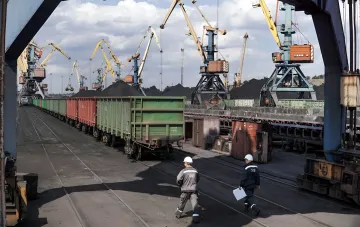
Redirecting cargo flows to other directions cannot compensate for the losses. Danube ports, capable of handling up to 2.5–3 million tons per month, cannot replace the throughput capacity of the Big Odesa ports, which was about 6 million tons. Their operation is complicated by shelling and the shallowing of the riverbed. Western railway crossings also have limited potential: the actual volume of transportation is about 2–2.6 million tons per month. At the same time, additional logistics costs reach $30–60 per ton, making supplies to some regions, such as Gdansk, unprofitable.
Forecasts for the Second Half of 2026
The President of the "Ukrmetallurgprom" Association, Alexander Kalenkov, warns that a negative scenario can only be avoided through coordinated actions by the government and international partners. GMK Center forecasts a 35% reduction in production in the mining sector compared to the level of the first half of 2026 if sea exports are not restored in the short term. Experts insist that without operational decisions, the industry could lose billions of dollars, and many enterprises risk not resuming work even after restrictions are lifted.