In the RBC-Ukraine podcast 'TSE BAZA', Ivan Kyrychevskyi, a serviceman of the 413th Unmanned Systems Forces (USF) regiment 'Raid' and a Defense Express weapons expert, commented on the logic of long-range strikes inside Russia. According to him, striking Moscow solely as a response to attacks on Kyiv is impractical: such strikes must serve a specific military objective, and limited resources are better concentrated on Russian military capabilities. Kyrychevskyi emphasized that this is his subjective opinion, which may not reflect a collective stance.
'Being different from Russia'
The expert acknowledged that out of emotion following Russian attacks, one wants the same thing to happen to Russians. He noted that the conversation was recorded on the day the Pivdennyi (Southern) Bridge was struck again. At the same time, in his view, Ukraine needs to differ from Russia in some way, and the degree of civilization in using military force lies in having a specific military objective rather than inflicting pain on the civilian population.
'Neptune', Su-34, and data centers: What he considers justified
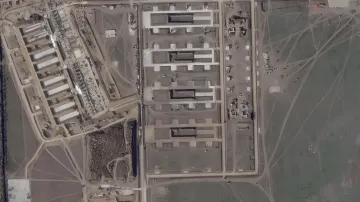
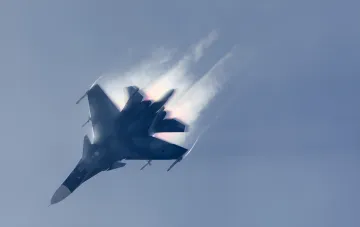
Kyrychevskyi identified justified actions as spending several 'Neptune' missiles to destroy a strategically important military plant or destroying a Su-34 on the ground. He also recalled long-range drone strikes: according to him, two Russian data centers were hit, including the VKontakte data center, which he stated was struck by his regiment along with other USF regiments. Kyrychevskyi noted that the Russian state has vulnerabilities such as data centers; Russia, according to him, takes measures to protect critical infrastructure, but every action has a reaction.
Resource scarcity and lessons from the enemy
Kyrychevskyi drew attention to the fact that even Russia has limits: for a mass attack, it launches about 200 piston and jet UAVs, according to him. By his assessment, the enemy, which prioritizes civilian terror, faces a resource deficit and cannot use them efficiently. Therefore, Ukraine, which he says faces an even greater deficit, should learn from the enemy's mistakes and concentrate its means on destroying the adversary's military capabilities. He gave an example: destroying six glide-bomb carriers, meaning Su-34s, might be imperceptible for Kyiv, but it means that, for instance, Sumy will have some relief. The goal to strive for, he said, is a situation where things get worse on a Russian scale and better on a Ukrainian scale.
Context: Strikes on Moscow and oil refining
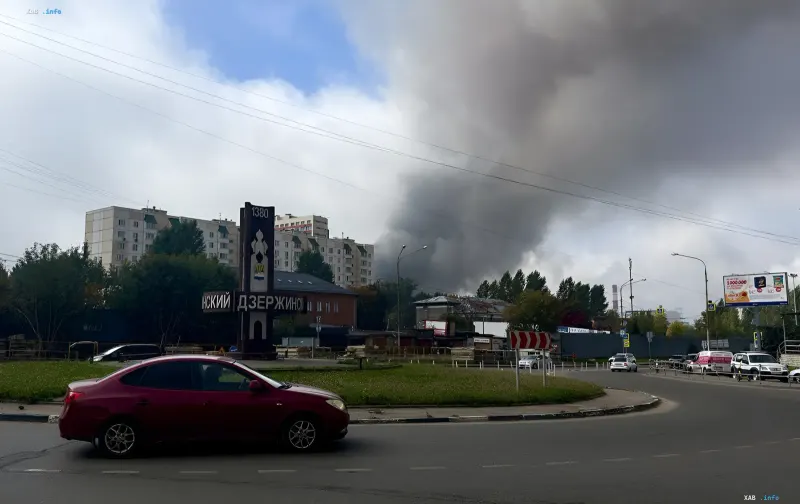
Against the backdrop of these statements, on the night of June 16, Ukrainian drones hit the Moscow Oil Refinery, after which a fire broke out on the plant's territory. The General Staff of the Armed Forces of Ukraine noted that the plant participates in supplying the Russian army, and its capacity exceeds 12 million tons of oil per year. Subsequently, a Ukrainian drone attack on September 20 halted the operation of the Moscow Oil Refinery, owned by Gazprom Neft.