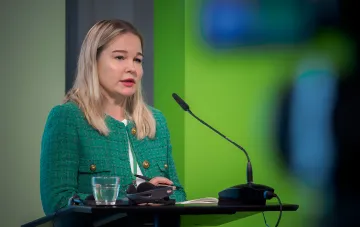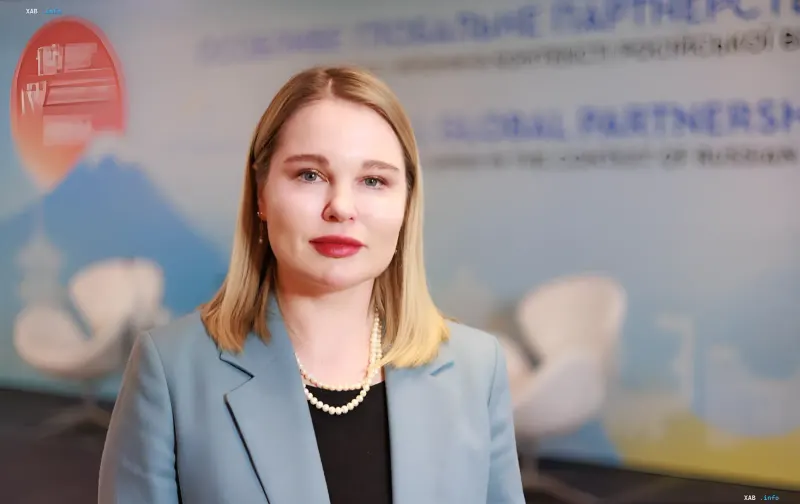
At the NATO summit in Ankara, Alliance member states for the first time at the leaders' level recorded in the final declaration that Ukraine is a contributor to Euro-Atlantic security. This was stated in an interview with RBC-Ukraine by the head of Ukraine's mission to NATO, Alena Hetmanchuk. In her words, this recognition reflects a "mental turning point" in the perception of Kyiv's role within the Alliance: after decades during which Russia, through agents of influence, tried to entrench the image of Ukraine as a source of threat, the 32 member states now openly confirm Kyiv's contribution to collective security. Hetmanchuk emphasizes that before the summit not all capitals were "super positive" about including this wording in the declaration, but the final text was adopted.
From aid recipient to security partner
The practical significance of this recognition, according to Hetmanchuk, lies in changing the logic of defense contributions. Recognizing Ukraine as a security contributor automatically turns all financial and material contributions in support of Kyiv into investments in the defense of NATO member states themselves. This decision is a logical continuation of the agreements of last year's Hague summit, where Alliance countries committed to reaching 5% of defense spending by 2035 and to count any military aid to Ukraine toward their own defense budgets. "The puzzle has finally come together," Hetmanchuk notes, adding that the process of digesting this mechanism in all capitals will take time but is already irreversible.
Interceptors for Patriot and the role of the Alliance's military command
A significant portion of weapons for Ukraine's needs continues to come from Alliance member states, and NATO plays a special role in supplying interceptors for Patriot air defense systems. "It is one thing when the request comes exclusively from us, and quite another when the NATO military command also gives the 'green light' to transfer such missiles," Hetmanchuk explains. This means that the Alliance does not merely coordinate logistics but directly participates in decisions on releasing critical munitions from national arsenals, which significantly speeds up and simplifies the process.
Western staffs adopt Ukrainian combat experience
In parallel with preparations for possible direct Russian aggression against one of the Alliance members, Western military staffs are already directly relying on Ukrainian combat experience. According to Hetmanchuk, this is something "no one could even have imagined a few years ago." In effect, Ukraine, waging a defensive war, has become a living laboratory for testing tactics and strategies that NATO builds into its own response plans. This strengthens Kyiv's case for full membership: a country whose experience is already embedded in the Alliance's defense doctrine is objectively closer to integration than any other candidate.
Membership prospects and the Alliance's "clumsiness"
Hetmanchuk also commented on the prospects of Ukraine's NATO membership, noting that the decision to admit a new country is formally made by consensus of all members. At the same time, she pointed out that in the perception of part of Ukrainian society NATO looks like a "clumsy" institution, but in practice the Alliance demonstrates the ability to make quick decisions when security is at stake. According to her, the Alliance currently has a record number of Ukraine supporters, creating a favorable backdrop for advancing the integration issue. Kyiv's ambition to become a NATO member, she says, "remains on the agenda," and recognition of its contributor role is a key step on this path.