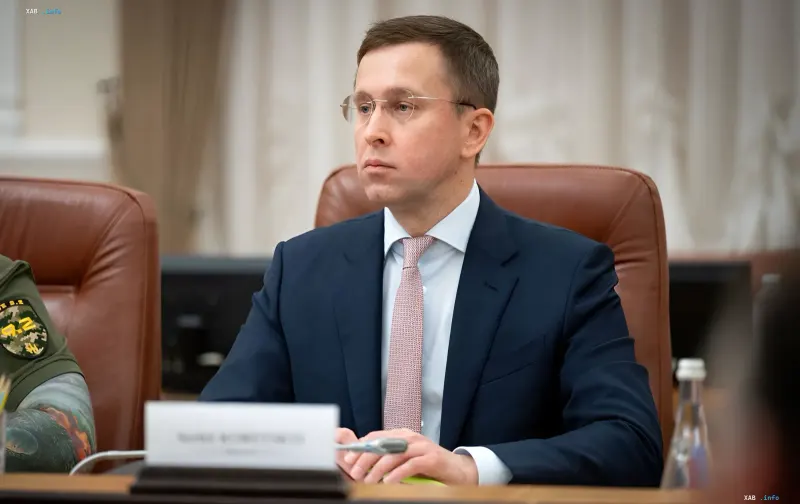
Ukraine and Norway have officially signed an agreement on defense-technological cooperation that both sides are calling the Drone Deal. This was announced by Ukrainian Prime Minister Serhiy Haidai in his Telegram channel, where he clarified that the document "strengthens cooperation between the defense sectors" of the two countries and "opens up new opportunities for joint production and development of defense technologies." The signing was also confirmed by President Volodymyr Zelenskyy during the Ukraine – Nordic-Baltic Eight summit held in Kyiv: in his words, Kyiv now has a "strategic document with Norway" that will serve as the foundation for further cooperation in the field of unmanned systems.
The Essence of the Drone Deal Agreement
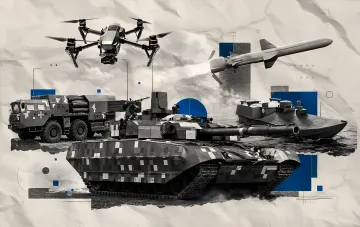
According to statements by Ukrainian authorities, the Drone Deal is not a one-off equipment delivery but a framework document on long-term technological partnership. Its key areas are the joint production of unmanned systems, the exchange of competencies, and the development of defense technologies. As Rustem Umerov, Secretary of the National Security and Defense Council, explained, under this initiative Ukraine will not limit itself to selling drones: the country will share its combat experience and establish joint production facilities abroad. This approach turns the agreement into a tool of technological export, where Ukrainian combat experience becomes an asset in its own right, alongside the products themselves.
Context of the Negotiations in Kyiv
The signing of the Drone Deal was one of the outcomes of the Norwegian delegation's visit and the summit involving the "Nordic-Baltic Eight" countries. In addition to the defense-technological agenda, during the meeting, according to Haidai, the sides discussed strengthening Ukraine's air defense, preparing the state for winter, and the issue of financial sustainability. The Prime Minister separately emphasized Norway's status: "Norway is one of Ukraine's key partners. Its contribution to our security and resilience cannot be overestimated." Thus, the drone agreement fits within a broader package of bilateral arrangements rather than existing in isolation.
Financial Support and the Nansen Program
An important element of the agreements was Norway's decision to maintain its support for Ukraine in 2027 under the Nansen Program at a level that Haidai estimated at approximately 9 billion dollars. The Prime Minister thanked Oslo for this decision. Earlier, Norwegian Prime Minister Jonas Gahr Støre, speaking in Kyiv, stated that support for Ukraine next year would remain at the current year's level and called it "record-high." The combination of these statements indicates that the Drone Deal is underpinned by a stable financial track, which reduces risks for joint production projects.
International Expansion of the Initiative
The Drone Deal has already outgrown the format of a bilateral treaty and turned into a multinational initiative. According to Rustem Umerov, more than 20 countries want to join the Ukrainian Drone Deal. Among those already on board are the Netherlands and Denmark, which became the eighth and ninth countries in the agreement, while Norway became the tenth. For each new participant, this means access to joint drone production and the development of new technologies, while for Ukraine it means an expansion of the geography of partnerships and markets for defense products.
Significance for the Defense Sector
For the Ukrainian economy and the Armed Forces of Ukraine, signing the Drone Deal with Norway has a dual effect. On the one hand, it provides direct access to Norwegian investments, competencies, and funding channels through the Nansen Program. On the other hand, it institutionalizes a model in which combat experience is turned into an export product and joint production facilities are located on partners' territory. In a situation where dozens of countries are expressing readiness to join, the Drone Deal risks becoming the de facto standard of international defense-technological cooperation focused on unmanned systems.