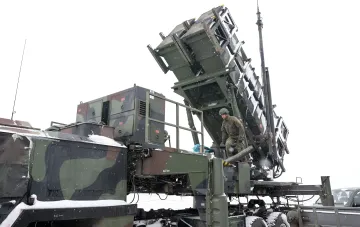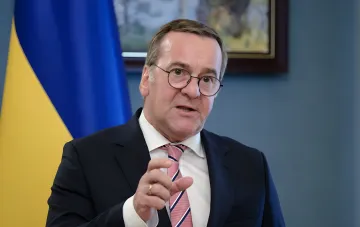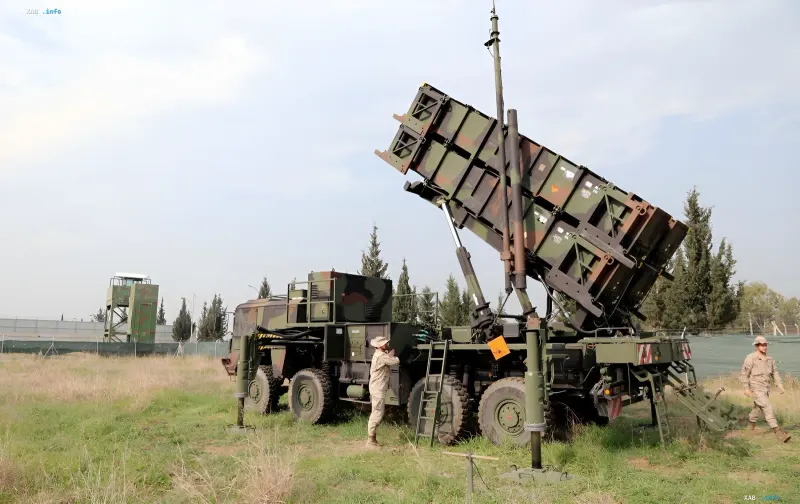
Alena Hetmanchuk, Head of Ukraine's Mission to NATO, revealed in an interview with RBC-Ukraine the details of a special mechanism through which Kyiv receives additional interceptor missiles for Patriot air defense systems from European member states of the Alliance. According to her, the interceptor supply track is built on a model that incentivizes European allies to provide, sell, or exchange missiles from their own arsenals in return for future deliveries under Ukrainian contracts.
How the Exchange Scheme Works
The mechanism described by the diplomat involves European countries transferring or selling Ukraine PAC-2 or PAC-3 missiles from their stockpiles. In return, they receive the right to future deliveries of interceptors produced under Ukrainian contracts. Hetmanchuk emphasized that this year Kyiv has already received "some additional interceptors" from NATO European countries under this model, and work to attract new participants is ongoing.
NATO's Role as Advocate
A key element of the process, according to the head of the Ukrainian mission, is advocacy on the part of the Alliance itself. The chances of a positive decision increase significantly when the request for weapons transfer is made not only by Kyiv but also by NATO, which gives the "green light" to the transfer. This turns a bilateral deal into a coordinated Alliance action, removing some of the political and legal barriers for European governments.
Who in Europe Has Interceptors
Hetmanchuk clarified that currently fewer than ten NATO member states in Europe have PAC-2 or PAC-3 missiles in their arsenals. Among them she named Germany, the Netherlands, Poland, Romania, Spain, Greece, and Sweden. At the same time, all discussions about the possible transfer of these missiles, in her words, are "very sensitive and not subject to public discussion," which limits the possibility of independent verification of specific volumes and terms of the deals.
Context: Shortage Amid Escalation
A separate channel for supplying interceptors for Patriot remains the PURL program, through which the United States transfers missiles. However, as Hetmanchuk noted, the scaling up of Russian ballistic missile strikes has led to a substantial increase in the need for weapons. In this context, U.S. President Donald Trump shared a Washington Post article in which the author proposes a number of solutions to the shortage problem, including establishing production of Patriot missiles directly on Ukrainian territory.