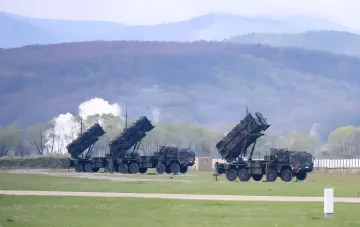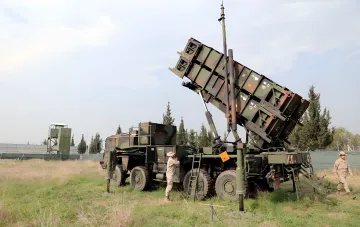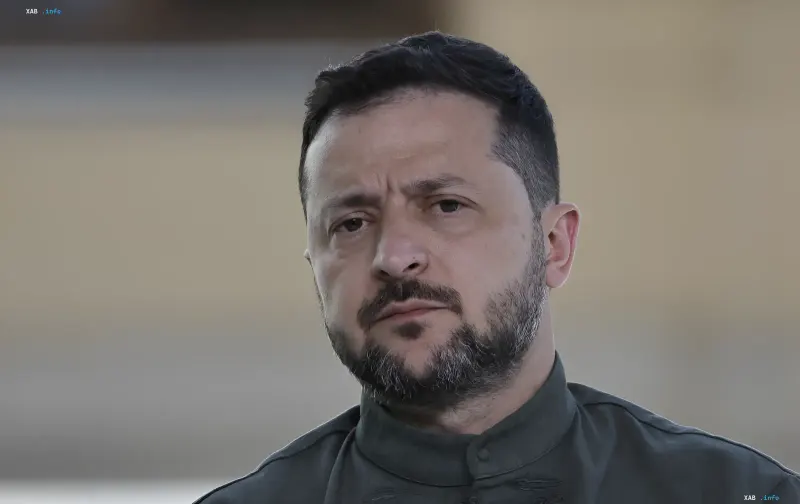
Ukrainian President Volodymyr Zelenskyy commented on the decision by the US Department of State allowing Kyiv to purchase 500 PAC-3 MSE interceptor missiles for Patriot air defense systems. According to him, this is a "strong" decision; however, actual deliveries, as he noted, may only begin several years after approval. Against this backdrop, Zelenskyy appealed to American and European partners to transfer missiles from their own stockpiles ahead of the 2026–2027 winter, when, by his estimate, the need for interceptors becomes critical.
State Department Decision and Contract Price
The US Department of State has approved the possible sale to Ukraine of 500 PAC-3 MSE missiles and related equipment for an estimated $2.1 billion. The agreement is reportedly being financed by European partners. Zelenskyy thanked US President Donald Trump and the State Department for the authorization and stated that he recently discussed the PAC-3 issue with Secretary of State Marco Rubio. According to him, 500 missiles alone would be enough to "close the sky" in the coming months, whereas Kyiv had previously requested a winter package from Washington calculated at 100 missiles per month for Patriot systems.
The Timeline Problem: Approval Versus Actual Deliveries
The key contradiction pointed out by Zelenskyy lies in the gap between political decision-making and logistics. According to him, deliveries may take just a few years to begin. Politico journalist Paul McLeary confirmed this logic: after approval, contract negotiations only just begin, so the missiles will likely not arrive in the coming months. This is why the president proposed a scheme whereby partners transfer interceptors to Ukraine from their stockpiles this winter, and then replenish their own reserves through production contracted and paid for by Ukraine and its allies.
Interceptor Shortage and Energy Strikes
The shortage of air defense missiles in Ukraine, according to media reports, has already reached a critical level. According to CNN, Ukraine has once again run out of missiles for Patriot systems, while Zelenskyy stated that the US is currently supplying only about 12 such missiles per month. At the same time, according to him, Russia is striking Ukraine's energy infrastructure daily: in the first two weeks of October alone, more than 30 strikes were inflicted on vital parts of the power grid. The president described this as an operation against the life support of cities ahead of winter, with electricity, heating, water supply, and bridges coming under attack. On the evening of October 30, he said, a drone strike on a critical facility left part of Kyiv without water.
Context: US Priorities and Production Licenses
Zelenskyy previously noted that Ukraine is not a priority in the distribution of PAC-2 and PAC-3 munitions, a significant portion of which is sent to the Middle East, and that Kyiv is "collecting" interceptors 2, 5, or 10 at a time from various sources, including under the Europe-funded PURL program. Separately, on September 25, 2026, he stated that Trump had "made the final decision" to transfer production licenses for Patriot missiles to Ukraine, with the creation of manufacturing capacities estimated to take about a year and a half. Thus, the approved 500 PAC-3 missiles remain for now a political signal rather than an operational solution to the winter air defense deficit.