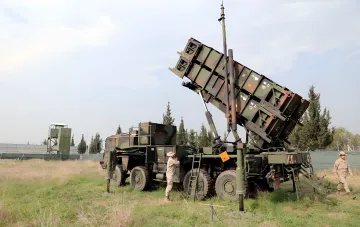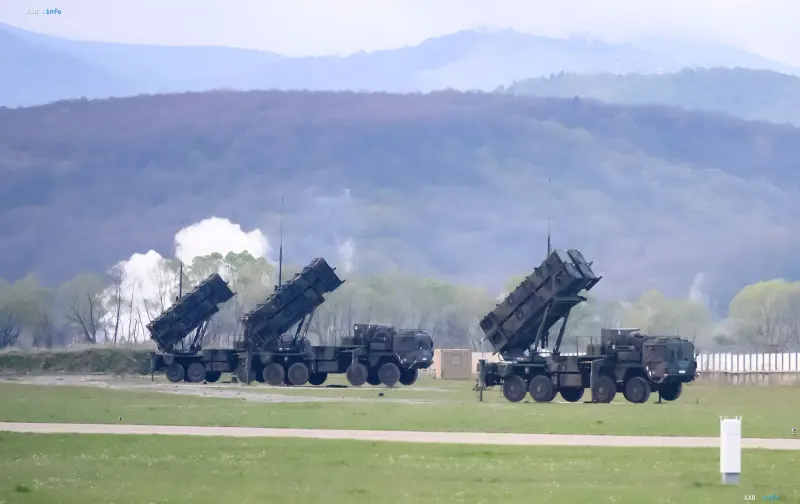
The United States has approved the potential sale to Ukraine of 500 PAC-3 MSE interceptor missiles for Patriot air defense systems, totaling approximately $2.1 billion. However, as reported by RBC-Ukraine citing Radio Liberty correspondent Rauf Klasra (Alex Raufoglu), the high-profile announcement hides a critical caveat: these are new interceptors whose delivery is expected no earlier than 2030. Thus, the approval of the deal does not mean that Ukraine's air defenses will receive ammunition in the near term — precisely when they are needed right now, ahead of winter.
What Was Approved and Who Is Funding the Purchase
According to the journalist, the announcement of US missile supplies is accompanied by an important clarification regarding timelines. According to sources, the financing of this procurement is provided by contributions from European partners — specifically Canada, Germany, and Norway — under the JUMPSTART program. This means it is a long-term deal that Kyiv is not paying for out of its own budget, but from allies' contributions, yet it can only receive ammunition under it several years from now.
Why the Timelines Do Not Solve the Shortage Problem
According to Raufoglu's assessment, the delayed deliveries will have almost no impact on the acute shortage of interceptors facing Ukraine's air defense systems ahead of winter. The Ukrainian side insists that the weapons are needed as early as the upcoming winter, when Russia is preparing new strikes against energy infrastructure. The journalist notes that the announcement of long-term procurements could distract attention from a more pressing issue — supplying Ukraine with existing interceptors that are already in US warehouses and production.
Joint Production: No Breakthrough
There was also no breakthrough on the issue of joint production of interceptors. Kyiv still lacks permission to manufacture them in Ukraine, as well as a specific schedule for launching such production. When asked about the possibility of granting the relevant license, the Pentagon replied that it has decided to further review the matter. In practice, this means that the prospects for domestic production of Patriot missiles remain uncertain: Kyiv currently has neither permission nor specific timelines for internal production.
Kyiv's Reaction: Zelenskyy Urged to Transfer Missiles 'When Needed'
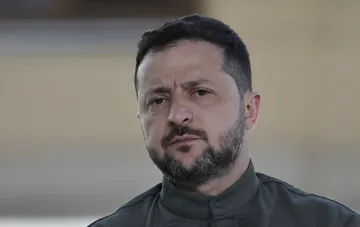
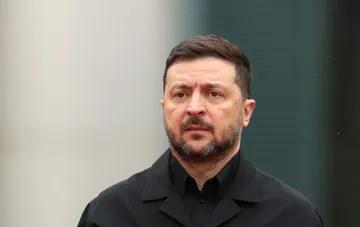
President Volodymyr Zelenskyy called the decision on the sale important, but noted that missile deliveries could begin only in a few years. He urged American partners to find a way to transfer the interceptors when Ukraine needs them the most. Thus, the formal approval of the deal in Washington and Kyiv's actual need for ammunition remain separated in time — and it is this gap, according to experts, that is the main risk for Ukraine's air defense in the coming months.