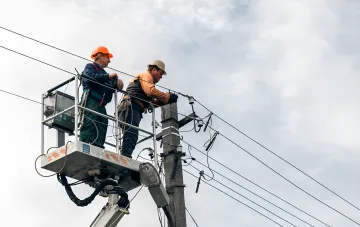

Ukraine is facing a serious test for its power grid: an abnormal heatwave next week could lead to a sharp spike in electricity consumption. According to forecasts, the load on the network could increase by a full gigawatt. This was stated by First Deputy Prime Minister and Minister of Energy Denys Shmyhal, whose words are reported by RBC-Ukraine.
Balance on the edge: meeting with industry leaders
To prevent disruptions in the power grid, an emergency meeting was held with the leadership of key market players: Ukrenergo, Energoatom, Ukrenergo, Naftogaz, and the NKREKP. The main goal of the meeting was to develop a strategy to maintain balance in the power system under peak load conditions.
The situation is exacerbated by the fact that scheduled repairs are planned for generating capacity during the same period. A reduction in available capacity combined with record demand due to the heat creates risks for grid stability.
Action plan: from appeals to power outage schedules
The Ministry of Energy has ordered a number of measures to ensure the stable operation of infrastructure. Denys Shmyhal expressed confidence that the decisions taken will allow consumer needs to be met in full.
However, Ukrenergo is preparing a scenario for the event of critical load. The company does not rule out the use of power restriction schedules for industrial enterprises and businesses. Energy experts are also calling on the population to save electricity, with a particular emphasis on peak hours — from 16:00 to 23:00.
Cyber threats and technical details of outages
Alongside the physical load on the grid, energy experts are also facing information attacks. As early as June, it became known about mass mailings from malicious actors from Russian territory. Under the guise of official letters from Ukrenergo, citizens were offered to download malicious files disguised as power outage schedules or payment receipts. The company categorically denied the practice of sending such documents via email.
In addition, DTEK clarified the technical details of outages, which often raise questions among residents. The company explained that it is not individual houses that are disconnected, but the energy facilities that supply them. This is why during scheduled or emergency work, the lights may go out simultaneously in several buildings or even entire neighborhoods.