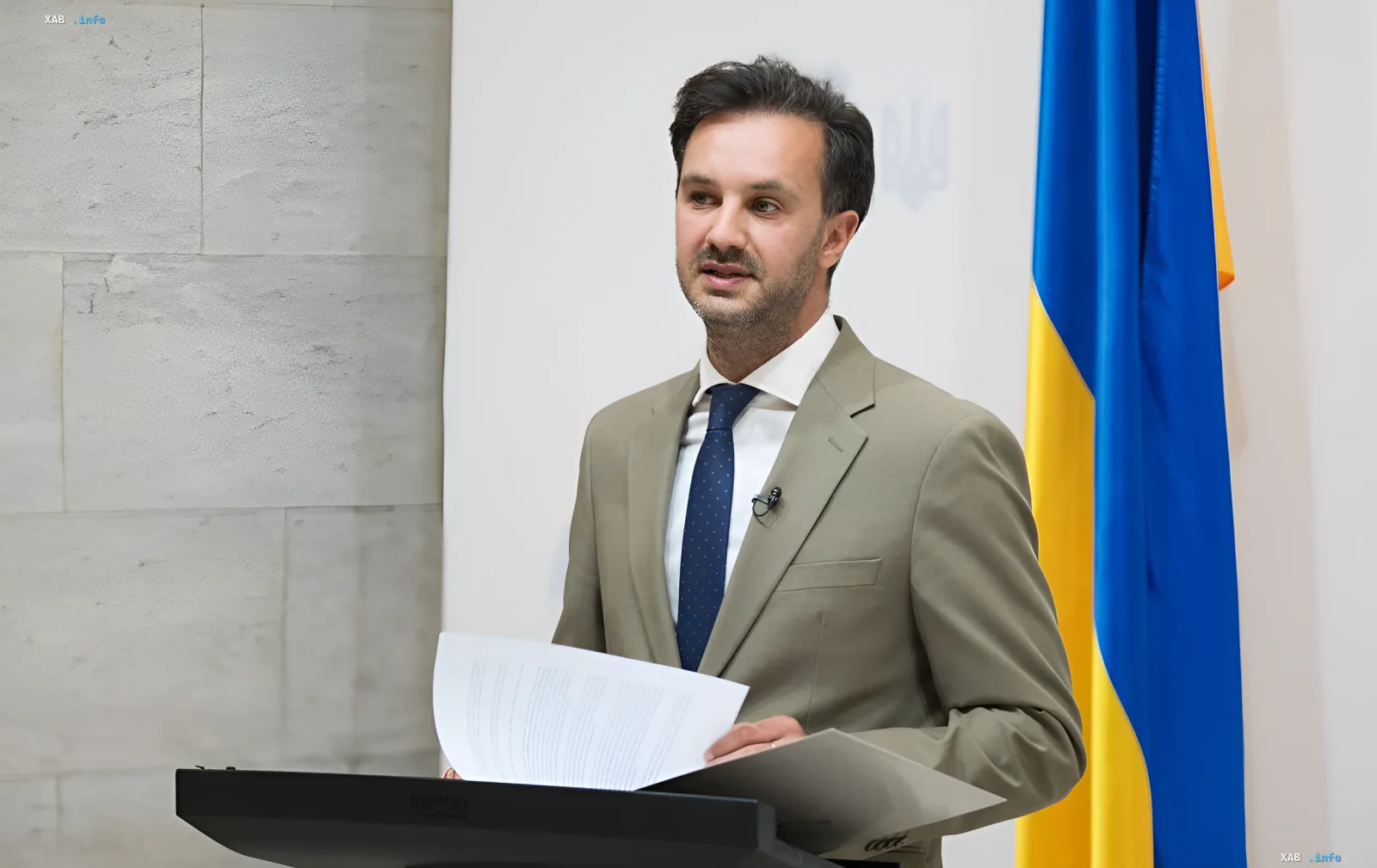
Ukraine has confirmed its readiness to introduce ceasefire regimes in the energy sector and stated that it is awaiting specific lists of objects from the Russian side, on the basis of which the details of a future regime could be agreed. This was announced by Georgy Tikhii, spokesperson for the Ministry of Foreign Affairs of Ukraine, during a briefing dedicated to the topic of an energy ceasefire, RBC-Ukraine reports. The statement came against the backdrop of ongoing discussions on possible de-escalation of strikes on energy infrastructure, initiated in part at the level of Washington.
Kyiv's Position: a Fair and Just Ceasefire
The Ukrainian Foreign Ministry emphasized that an exhaustive position on a possible energy ceasefire had already been articulated earlier by Ukrainian President Volodymyr Zelensky. According to diplomats, Kyiv itself has been proposing the establishment of such a ceasefire for a long time, insisting that it must be fair, just, and genuinely cover all necessary areas. The ministry stressed: in the event of such a regime being introduced, all Ukrainian objects must be placed under protection, and the use of any types of weapons must be fully prohibited.
The Main Condition — Lists of Objects from Moscow
The key practical step to launching negotiations, the Foreign Ministry spokesperson said, is Russia providing a list of objects. "If the Russians are serious about this, then let them provide lists of objects, let them clarify the details, we are waiting for this... We would like Russia to demonstrate its readiness for this de-escalation as well. I think then all the decisions can be found," Tikhii stated. Thus, Kyiv is effectively transferring the initiative to specify the parameters of the regime to the Russian side, declaring its own readiness for de-escalation even under conditions of an ongoing war.
The Role of the United States and Other Partner Countries
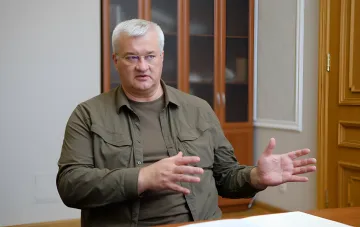
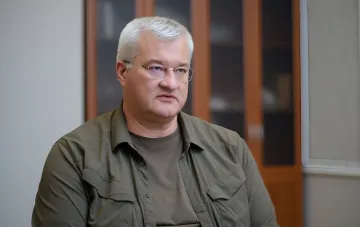
The Ukrainian Foreign Ministry also noted that the United States' desire to reach such an agreement is an important and timely step. The ministry also reminded that several other partner countries are working on finding solutions in the areas of energy and grain exports; this had earlier been reported by Ukrainian Foreign Minister Andriy Sybiha. In Kyiv, it was emphasized that Ukraine is demonstrating "absolute constructiveness" and expects reciprocal steps from Moscow.
Moscow's Reaction and Nuances
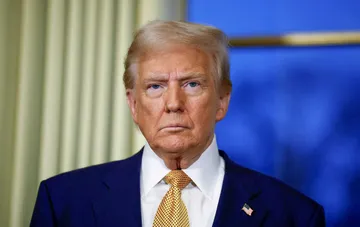
It is worth recalling that the initiative to establish an energy ceasefire between Ukraine and Russia was earlier put forward by US President Donald Trump. The Kremlin assessed the idea positively, however, official Kremlin spokesperson Dmitry Peskov qualified it by noting that a cessation of strikes on oil refineries will not solve all the problems of the global market. This indicates that in the Russian leadership the initiative is perceived more as a limited-scope instrument rather than a comprehensive ceasefire regime.
Contradictory Data
Between the public rhetoric of the two capitals there is a noticeable gap. On the one hand, the Kremlin assessed the energy ceasefire initiative positively, and in Kyiv there was a declaration of full readiness to implement it, awaiting only the lists of objects. On the other hand, according to the Financial Times, Volodymyr Putin himself does not intend to conclude such an agreement before the onset of the winter period. Thus, despite formally matching words about "readiness," the parties are in fact talking about different time horizons: Kyiv proposes moving to the agreement of details already now, while Moscow, judging by available information, considers signing as a matter postponed until winter. An additional inconsistency is created by Peskov's qualification that refraining from strikes on refineries will not solve all market problems, which may narrow the actual scope of the regime under discussion compared to the Ukrainian demand for the protection of all objects.
The outcome of the briefing was a confirmation that the ball for practical progress on the topic is now on Moscow's side: Kyiv has fixed its position and is awaiting specific proposals. Whether this window of opportunity for de-escalation in the energy sector will be realized before winter largely depends on how quickly and to what extent the Russian side provides the promised lists of objects.