The Ukrainian real estate market in 2026 is undergoing a profound transformation of priorities. According to a recent study by OLX Real Estate experts, basic criteria for choosing housing, such as cost and square footage, are today inextricably linked to issues of safety and energy autonomy. Ukrainians are increasingly viewing apartments or houses not just as assets or places to live, but as a protected perimeter capable of functioning amidst energy challenges.
Energy Independence as a New Standard
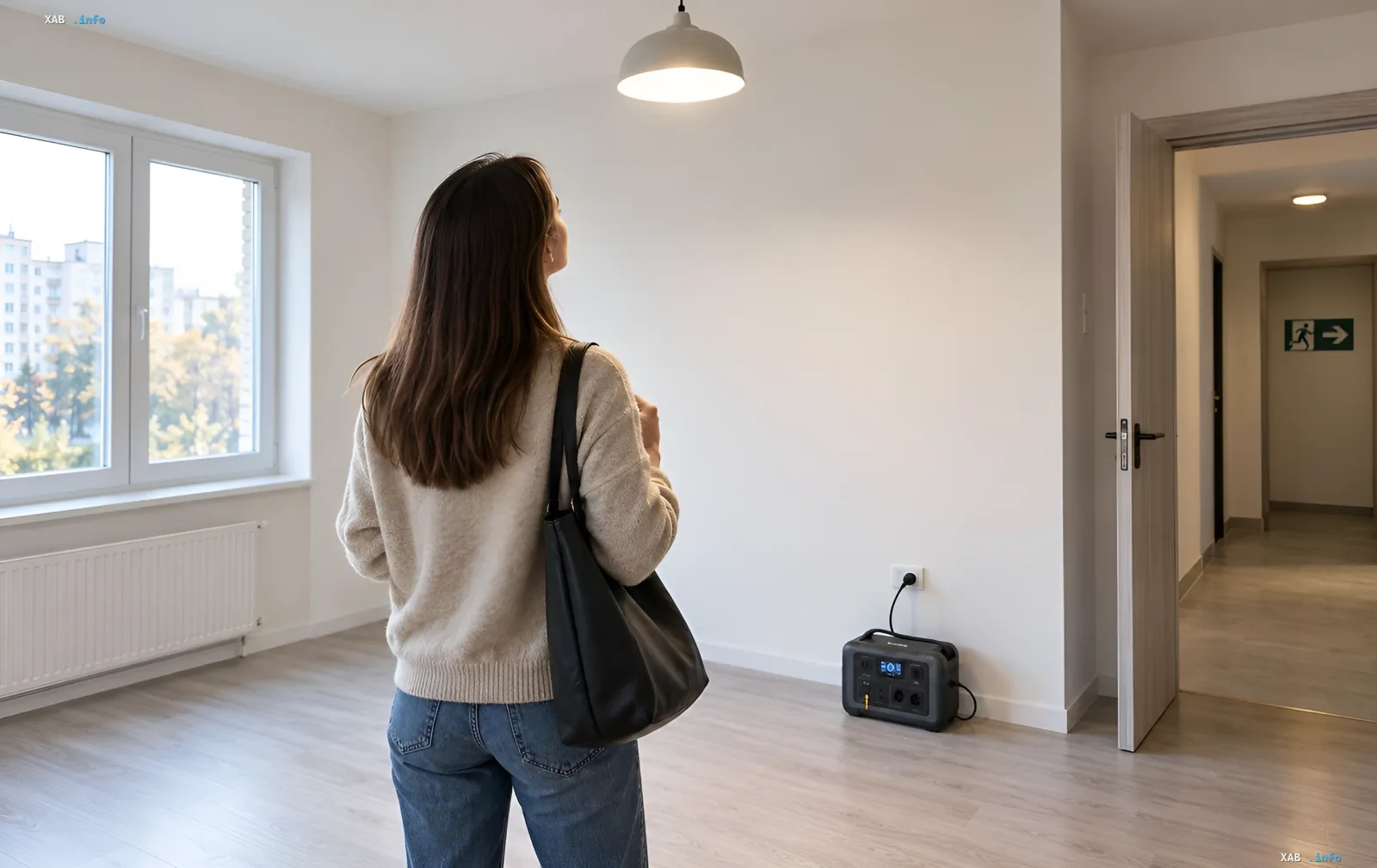
Research data shows a rapid increase in demand for housing with backup power and autonomous heating. If a year earlier the availability of such systems was important to 49% of buyers, by October 2026 this figure reached 68%. Energy autonomy is now almost equal in significance to the size and layout of an apartment. Buyers are willing to pay a premium for properties that guarantee independence from centralized disruptions, making generators and solar panels a standard feature of modern residential complexes.
Safety and Social Trends
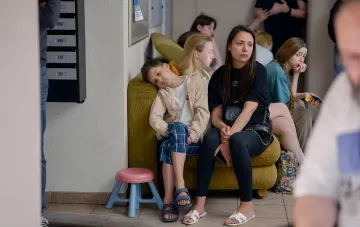
Safety has become the defining factor: 67% of respondents consider the distance from strategic objects when choosing a property, and 60% prioritize the availability of a capital shelter directly in the building. In parallel, social demands are shifting: there is an increasing desire for autonomy in daily life. Up to 16% of buyers are looking for housing to live separately with partners, reflecting a change in demand structure compared to 2025, when this figure was at 7%.
Rental and Investment Market Features
In the long-term rental segment, the situation is similar: for 60% of tenants, the availability of backup power is critical, making this factor even more significant than total floor space. The market continues to be investment-driven: 28% of respondents view real estate as a way to preserve capital, and nearly one in five plans to use it for future passive income. At the same time, price remains the primary filter for 82% of market participants, regardless of their goals.
Conflicting Data
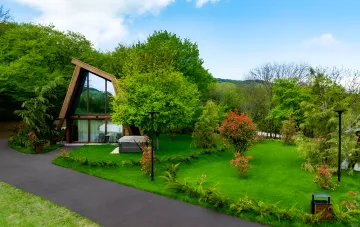
Despite the general trend towards safety and energy independence, there is ongoing debate in the expert community regarding the long-term sustainability of prices. Analysts note that although 82% of respondents rank price as the number one factor, the willingness to pay extra for "safe" options creates hidden inflationary pressure on both secondary and primary markets. While some experts note a stabilization of interest in central properties due to logistical convenience, others point to a decrease in the significance of location (metro/center) in favor of remote but more autonomous residential areas, creating divergent demand vectors.