Against the backdrop of rising military expenditures, Kyiv has appealed to the European Union with a request for a new €70 billion loan. The application was voiced during a summit in Brussels, where Ukrainian President Volodymyr Zelenskyy urged leaders of the bloc's nations to secure funds for the country's continued support. However, the first rejections became known right at this stage: Slovakia and Hungary stated they would not join the financing of the new loan.
Zelenskyy's Statement: The War Will Cost €155 Billion
According to Zelenskyy, the continuation of hostilities next year will cost Ukraine approximately €155 billion. The president named precisely this figure as a benchmark for European partners, urging EU presidents and prime ministers to provide the necessary resources. It is noted that the European Union had previously promised Ukraine a €90 billion loan to cover the country's urgent financial needs in 2026–2027; according to the European Commission, these funds are allocated evenly.
Position of Slovakia and Hungary
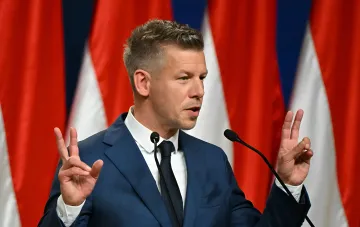
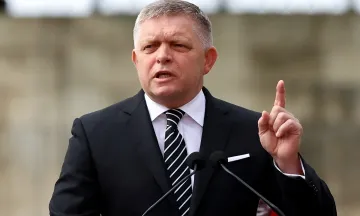
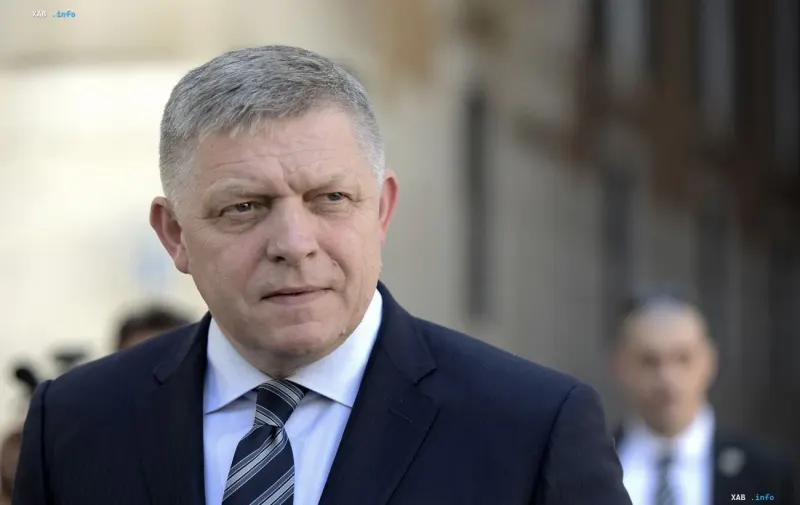
Slovak Prime Minister Robert Fico and Hungarian government head Péter Magyar, according to reports from Brussels, hold the same position: their countries will not participate in financing the new €70 billion loan. Thus, within the European Union, two states immediately signaled their refusal to participate in this support mechanism for Kyiv.
EU Budget for 2028–2034 and Criticism of Conditionality
Separately, Fico spoke about negotiations on the long-term EU budget for 2028–2034. In his estimation, member states are still far from agreeing on a common position, and reaching an agreement by the end of the year will be difficult — despite European Council President António Costa's expectation for that timeline. The Slovak prime minister called "dangerous" the linking of negotiations on the future European Union budget with the financing of Ukraine. In addition, he criticized the Brussels summit, stating that insufficient attention had been paid to peace initiatives and ending the war between Russia and Ukraine.
Alternative Forms of Support from Slovakia
Despite refusing to participate in the loan, Fico emphasized that Slovakia is ready to support Ukraine in other ways. Among possible areas, he named projects in education, road infrastructure development, and energy interconnections. Thus, Bratislava proposes an alternative format of cooperation not tied to direct budgetary financing.
Context: Recent Tranches of the Ukraine Support Loan
A reminder of the current flow of funds: on October 14, 2026, the European Union allocated another €2.86 billion to Ukraine for defense needs under the Ukraine Support Loan program. These funds are directed toward purchasing drones, air defense systems, missiles, radar stations, electronic warfare equipment, and ammunition. Earlier, on October 7, Ukraine received another €1.2 billion from the EU under the same program. The new request for €70 billion becomes the next stage in this cycle of financial support.