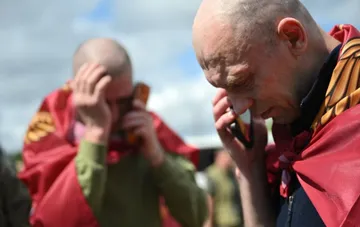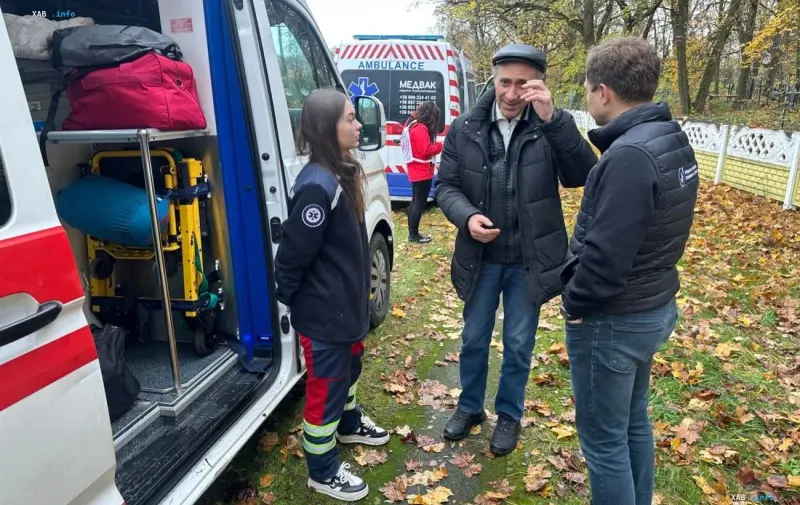
Ukraine has returned another seven civilians from temporarily occupied territories during a regular humanitarian mission. Among those who returned home is a 90-year-old person with limited mobility and citizens in urgent need of medical assistance. The announcement was made by Dmytro Lubinets, the Ukrainian Parliament Commissioner for Human Rights.
Details of the Humanitarian Operation and Condition of the Rescued
The release of the civilians was made possible through a humanitarian communication channel between the Ukrainian ombudsman and Russia's Human Rights Commissioner Yana Lantratova. Under mutual agreements, seven Ukrainians arrived in territory controlled by Ukraine. Simultaneously, seven civilians traveled in the opposite direction to the Russian Federation as part of family reunification efforts supported by the International Committee of the Red Cross.
Among those who returned to their homeland was a 90-year-old woman with limited mobility, as well as a 50-year-old Ukrainian woman who had suffered a myocardial infarction and stroke, along with other severe medical conditions. Due to the extremely grave health status of both women, the operation organizers deployed specialized medical transport and ensured special transportation conditions.
Family Reunification and the Plight of Mariupol Residents
A separate focus of this mission was the return of a young woman and her child who had been stranded in Mariupol following the outbreak of full-scale hostilities and the subsequent occupation of the city. Due to active combat, they were unable to reunite with their family for a long time, and the lack of proper documentation for the child posed an additional obstacle.
Now the mother and child are safe in government-controlled territory, though both will require professional psychological support. Overall, during August and September 2026, 41 Ukrainians, including nine minors, were evacuated from the occupation through checkpoints in the Volyn region.
Significance of Humanitarian Corridors
Regular exchanges of civilians and family reunification work demonstrate the effectiveness of existing communication channels even amid a protracted conflict. Rescuing elderly people, seriously ill citizens, and children highlights the priority of humanitarian aspects in the negotiation process. Such initiatives help bring home those who have been cut off from their loved ones by the frontline and reduce the acuteness of social problems faced by the affected population.