In October 2026, the weather in Ukraine was characterized by significant precipitation in some areas; however, according to the Ukrainian Hydrometeorological Center, the rains only partially replenished water reserves. Against this background, the hydrological situation remained complex on a number of rivers. This was reported by RBC-Ukraine, citing a publication by the UkrHydrometCenter press service on Facebook.
Precipitation: above normal in most areas
According to UkrHydrometCenter data, rains fell unevenly throughout October 2026. In most of the country, precipitation exceeded the monthly norm, while in certain regions, it was below or close to the norm. The center's specialists also included data on the average monthly air temperature for October in their final report.
Uneven rainfall and rising water levels
The uneven distribution of precipitation during the month contributed to several waves of rising water levels. "Under these conditions, the water content of most of the country's rivers increased, albeit insignificantly," the UkrHydrometCenter experts stated. Thus, the general trend for water levels was positive, but without sharp or sustained changes.
Changes in the regime of major rivers
Major rivers showed a change in hydrological regime with a slight upward trend. However, the center noted exceptions to the general picture: the Ukrainian section of the Danube, the Sula (a tributary of the Middle Dnieper), and a side tributary to the Kremenchuk Reservoir, where the dynamics of water levels differed from most other watercourses.
Where the deficit persists
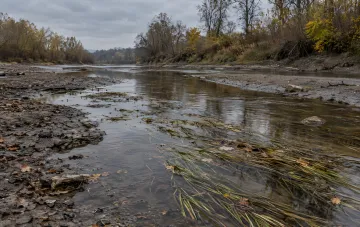
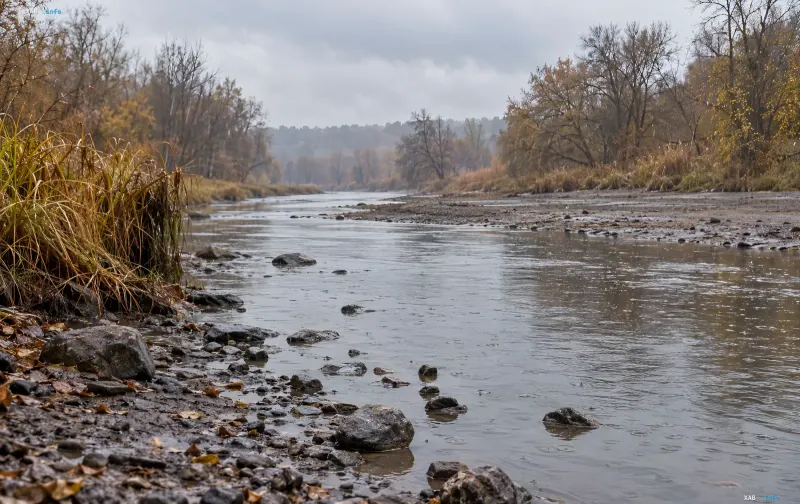
Despite the overall increase in water content, a complex hydrological situation persisted in some watercourses, as water levels remained below ecological discharge values. The UkrHydrometCenter recorded instances of zero flow during October. The center had previously reported that water levels in rivers across four regions were critically low, leading to the highest level of alert, which remains in effect until mid-November.
Context: climate and prospects
The situation fits into a broader context of climate change that the UkrHydrometCenter and the State Water Agency have been addressing recently: heatwaves, downpours, and water shortages are becoming typical for the season. The State Water Agency has also explained whether low-water conditions could turn into a long-term problem, while Vira Balabukh, head of the Department of Applied Meteorology and Climatology at the Ukrainian Hydrometeorological Institute, provided a preliminary assessment of what the 2026/2027 winter might look like.