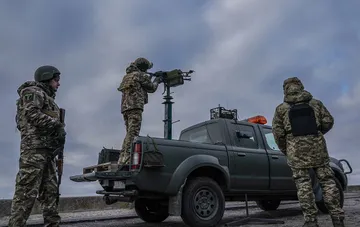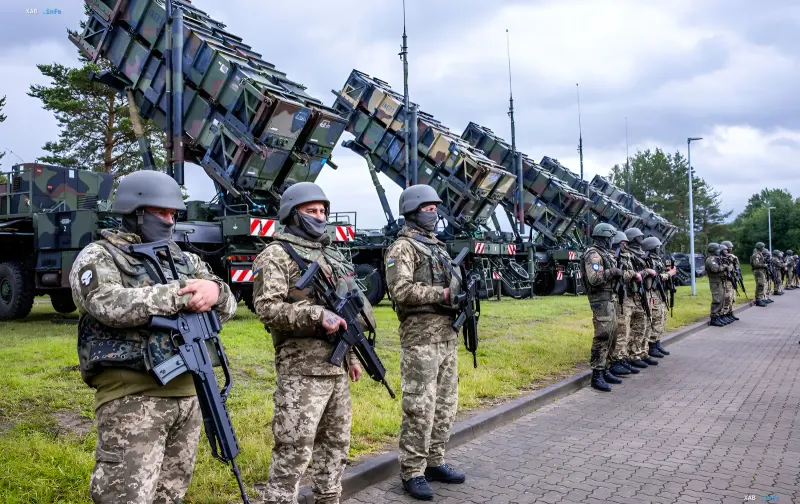
Ukraine is facing a critical shortage of interceptor missiles for US-made Patriot air defense systems, leaving the country extremely vulnerable to massive ballistic missile attacks. According to reputable Western media citing informed sources, the latest large-scale energy infrastructure strike could not be effectively repelled precisely due to the complete depletion of stocks of these expensive munitions. This situation has intensified discussions among Kyiv's international partners regarding the urgent transfer of additional air defense assets from European state reserves.
Consequences of the Night Shelling and Energy System Destruction
During the recent night barrage, Russian ballistic missiles hit three major power plants in Kyiv as well as critical energy infrastructure facilities in Kharkiv. According to official data, these strikes resulted in four deaths in the capital and left 25 local residents with various injuries. Sources note that the vast majority of ballistic targets during that attack could not be intercepted due to the absence of necessary guided anti-aircraft missiles in the arsenals of the air defense forces.
Political Context and Position of the International Community
The acute shortage of anti-missiles is unfolding against the backdrop of mounting diplomatic disputes and public disagreements between Washington and Kyiv. Ukrainian President Volodymyr Zelenskyy has repeatedly warned allies about the critical depletion of stocks, stating in August that the country possessed only a tenth of the desperately needed volumes. At the same time, other states are in no hurry to part with their arsenals amid a global shortage and the need to strengthen their own security amid escalation in the Middle East.
Supply Challenges and Prospects for Domestic Production
Despite earlier statements by the Ukrainian side regarding plans to obtain a license for the independent production of Patriot missiles in cooperation with the United States, practical implementation of this project has not yet occurred. It was previously reported that some European countries, notably Greece and Spain, refused to transfer scarce munitions to Kyiv even considering their expiration dates. Under these conditions, Ukraine is forced to collect missiles almost piece by piece through direct agreements with individual leaders, while large-scale assistance can only be provided by the US.
Significance of the Event and Next Steps
The prevailing air defense supply crisis threatens the survival of Ukraine's energy system on the eve of the winter period. The inability to effectively repel ballistic threats forces the country's leadership to intensify negotiations at European Union and NATO platforms regarding the redistribution of existing military arsenals. Further developments will depend on the readiness of Western allies to take unprecedented steps to strengthen the Ukrainian sky amid a shortage of components on the global market.