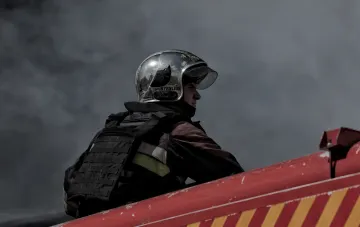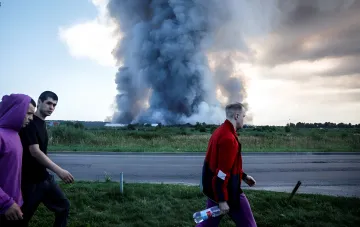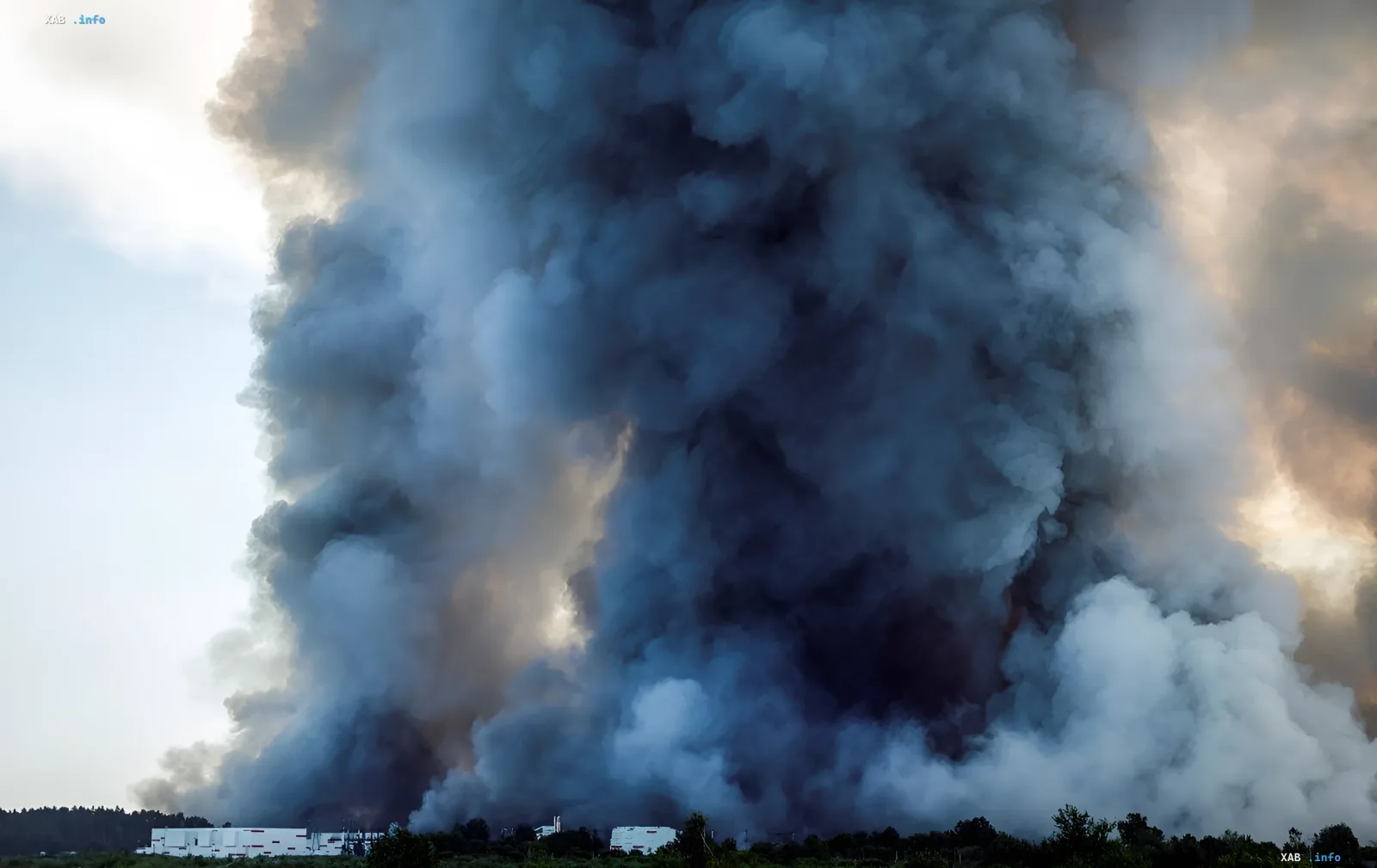
In the past two weeks, the Russian economy has faced an unprecedented challenge in the e-commerce sector. The Armed Forces of Ukraine (AFU) have targeted the logistical infrastructure of Russia's largest marketplace, Wildberries, with strike drones. The attacks have become systematic: within a short period, facilities in Kotovsk, Elektrostal, Krasnodar, St. Petersburg, Yekaterinburg, and dozens of other cities have come under fire. The consequences of these operations extend far beyond local fires, transforming into a large-scale economic crisis for the industry.
Scale of Destruction and Recovery Costs
Data from the analytical agency Data Insight indicates colossal damage. In just a few weeks, hostilities have led to damage to between 17% and 22% of the marketplace's entire logistical infrastructure. This is not just statistics: we are talking about hundreds of thousands of tons of goods and hubs critical for turnover.
Estimates for the cost of restoring destroyed facilities range from 62.5 to 80.8 billion rubles. However, these figures reflect only the direct losses of the operating company. A much more dramatic situation has developed for small and medium-sized businesses, which depend on the marketplace's operations.
Crisis for Sellers and the Insurance Trap
The greatest losses were suffered by sellers working with Wildberries. According to analysts' calculations, their cumulative losses amounted to between 215 and 280 billion rubles. Denis Vetrennikov, General Director of the SellerDen seller service ecosystem, believes that we are talking about several hundred thousand affected entrepreneurs whose goods burned or were damaged during the attacks.
Attempts to find financial protection proved futile. RWB founder Tatyana Kim confirmed that the warehouses are insured, however, the policies do not cover the risks of drone attacks. Moreover, four major insurance companies officially confirmed that they do not insure Wildberries facilities at all. At the moment, there is no talk of compensation for large businesses, which provide the bulk of the turnover.
State Response and New Vectors
Against the backdrop of the growing crisis, Russian Deputy Prime Minister Alexander Novak instructed relevant ministries and the Central Bank to prepare proposals to support the victims by August 10. While specific measures have not yet been announced, the pressure on logistics is forcing businesses to seek alternatives.
It has become known that the Russian marketplace is actively seeking logistical capacity in Kazakhstan, attempting to diversify risks. Meanwhile, the attacks continue: tonight, Ukrainian forces attacked one of the largest Wildberries warehouses in Russia, and earlier, AFU drones had already reached facilities in the Samara region. The Wildberries company cannot hide that it has suffered colossal losses, which could radically change the landscape of Russian trade.