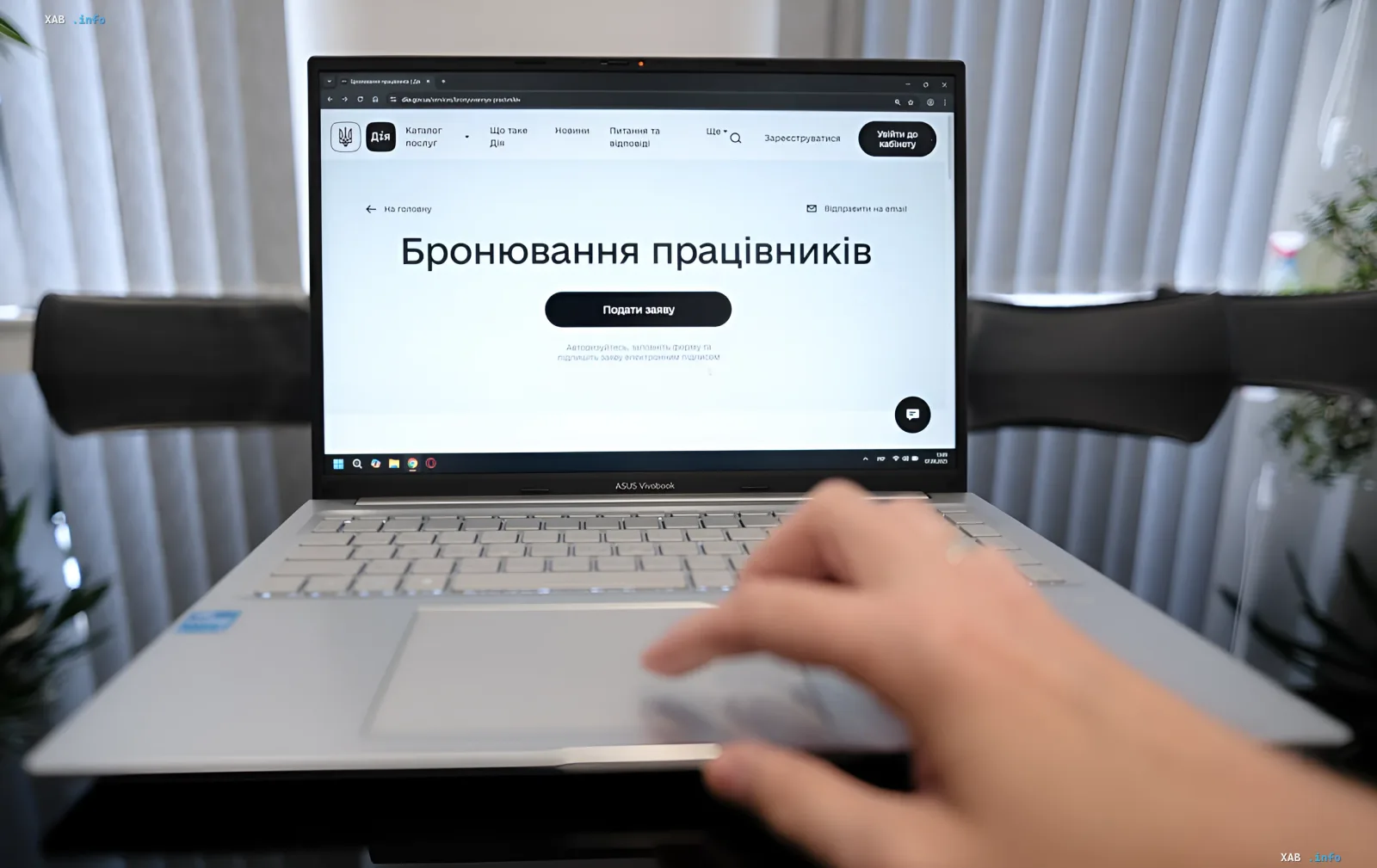
The Ukrainian government has officially begun reforming the system for reserving conscripts during martial law. According to the latest data, the Cabinet of Ministers has already approved a fundamental resolution regulating the protection of workers from mobilization, but the final agreement on percentage quotas has been postponed for five working days. This decision is dictated by the authorities' desire to avoid social and economic shocks associated with potential staff reductions at critical enterprises.
According to MP Yaroslav Zhelezniak, the document adoption process is accompanied by intense discussions in government halls. Although the general concept was approved, details concerning specific percentage ratios for reserved employees require further analysis. The government emphasizes that the issue is extremely sensitive, affecting the balance between the country's defense capabilities and maintaining economic stability amid a protracted conflict.
Contradictory Data
During the discussion of the new rules, disagreements arose regarding the calculation methodology. Previously, an initiative was being developed to change the base for calculating the 50% quota: it was planned to exclude categories of citizens who already have deferments for social reasons, such as guardianship or having a large family. However, available reports suggest this idea was abandoned due to the risk of significantly narrowing the circle of protected specialists. Simultaneously, disputes arose regarding a proposal to reduce quotas for the defense-industrial complex (DIC) by 15%, which triggered a wave of criticism from relevant departments and business associations.
Economic Consequences and Business Reaction
Business representatives are expressing concern over potential tightening of rules. In 2026, the stability of production processes is critical for the functioning of the rear. Any sudden change in reservation rules is perceived as a risk of a shortage of qualified personnel. Currently, the government is trying to find a consensus that will allow preserving the necessary mobilization resource without draining strategically significant sectors of the economy.
It is expected that after the five-day revision period, the Cabinet of Ministers will present the final text of the resolution. Analysts note that the current pause is a political maneuvering tool that allows for reducing tension among employers. The results of this decision will be defining for the labor market until the end of the year.